
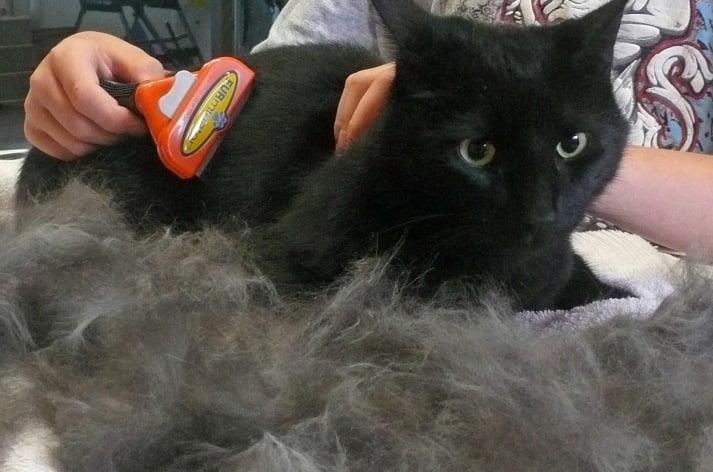
Cat grooming usually starts as a simple question: “How often should I brush?” Then it turns into a small, practical decision-making exercise—because mats can tighten quickly, nails can catch and split, and a cat that hates handling will remember every rushed mistake.
The calm approach is also the effective one. Below are clear, coat-by-coat grooming basics for Australian homes, with safe techniques for brushing, bathing, nails, ears, eyes, teeth, shedding, and hairballs—plus the moments when it’s kinder to stop and involve your vet.1, 6
Understanding your cat’s coat (and what it changes)
Cats have different coat lengths and textures, and that alone changes the grooming rhythm. Short coats tend to tangle less but still shed. Long coats can mat close to the skin where you can’t see it at first. Some coats (especially very fine or dense ones) hold loose undercoat that needs regular removal.
- Short-haired cats: usually cope with weekly brushing, with more frequent sessions during heavy shedding.1, 6
- Long-haired cats: often need frequent brushing to prevent mats forming, especially behind the legs, under the collar area, and along the belly.1, 6
Age and health matter as much as coat type. Older cats or cats with arthritis may groom less effectively and may prefer softer tools and shorter sessions.1
Basic grooming tools (keep it simple)
You don’t need a drawer full of gadgets. Start with two or three tools that feel gentle on skin and are easy to control.
- Brush or grooming glove for removing loose hair (often enough for short coats).1
- Comb (useful for finding hidden tangles and working through thicker areas).3
- Cat nail clippers (small, sharp, and designed for claws).1
Before buying, run the tool lightly over your own skin. Avoid anything that feels sharp, scratchy, or grabby—those tools tend to scrape a cat’s skin and sour the whole routine.1
Brushing: frequency and technique that won’t pick a fight
How often to brush
Use coat type as a starting point, then adjust for the season and your cat’s tolerance.
- Short-haired cats: about once a week, more if you’re seeing loose fur drifting around the house.1
- Long-haired cats: frequent brushing is usually needed to stop mats forming (many cats do best with small daily sessions rather than a long weekly one).1, 6
How to brush without hurting your cat
Work with the direction of the coat. Start with the head and shoulders, then move down the back and sides. Keep pressure light, especially on the belly, armpits, and behind the legs.
- Keep sessions short. A few calm minutes is more useful than wrestling through ten.1
- Let your cat choose the pace. If they tense, swish the tail, or try to leave, stop and try again later.1
- If you hit a knot, don’t yank. Tease it gently with fingers or a comb, working from the ends of the tangle back towards the skin.6
Mats: what not to do at home
Severe mats can sit tight against skin. Trying to cut them out with scissors is risky because cat skin can be pulled into the mat and sliced before you realise.1
If the coat is heavily matted, contact your vet. Clipping may need sedation for safety and to reduce stress.1
Bathing your cat (usually the exception)
Most cats keep themselves clean, and bathing is best kept for genuine need—sticky spills, strong odours, or a skin problem your vet is managing.1
If you do bathe your cat, use warm water and a shampoo made for cats, and avoid getting water or shampoo into the eyes and ears. Have warm towels ready and keep them somewhere draught-free while they dry.1
- Prepare everything first (towels, shampoo, non-slip surface).1, 7
- Keep the water body-temperature and work steadily rather than quickly.7
- Use a damp cloth for the face rather than pouring water over the head.7
Nail clipping: small trims, often
Check nails regularly and trim as needed. Overgrown claws can snag, split, and in some cases curl towards the paw pad.1
- Choose a quiet time when your cat is already relaxed.1
- Use cat-specific nail clippers.1
- Press the toe pad gently so the claw extends.
- Trim only the sharp tip and avoid the “quick” (the pink area containing blood vessels).1
- Finish early if your cat starts to struggle. One or two claws today is still progress.
Scratching posts help cats shed old claw layers and stretch, but they don’t always replace trimming—especially for indoor cats.1
Ear and eye care: clean lightly, investigate changes
Healthy ears are usually low-maintenance. If you’re cleaning, use a vet-recommended ear cleaner and wipe only what you can see with cotton wool or a soft pad. Avoid cotton buds inside the ear canal.2
For eyes, wipe away small amounts of discharge with a damp cotton pad, using a fresh pad for each eye to reduce cross-contamination.
See your vet promptly if you notice redness, swelling, a strong odour, persistent discharge, cloudiness, or your cat rubbing at the face more than usual.
Dental hygiene: the quiet, high-impact habit
Dental disease is common in cats, and home care makes a difference. Tooth brushing is considered the gold standard for plaque control, but it needs to be introduced gradually and kept calm.8, 10
Only use toothpaste made for cats. Human toothpaste can be harmful if swallowed.2, 4
- Start by letting your cat lick a small amount of pet toothpaste off your finger, then progress to a finger brush or soft brush when they’re comfortable.2, 4
- Aim for frequent brushing. Daily is ideal; less frequent brushing tends to offer less protection over time.9, 10
- If brushing isn’t tolerated, ask your vet about alternatives (including dental diets, water additives, gels, and treats that have evidence behind them).4, 8
When choosing dental products, look for options listed by the Veterinary Oral Health Council (VOHC), which reviews data submitted for plaque and tartar control claims.8
Dealing with shedding (and when it’s not “just shedding”)
Shedding is normal. Indoor cats can shed year-round, while others shed more heavily at certain times. Regular brushing removes loose hair before it ends up on furniture—or inside your cat during self-grooming.1, 6
Contact your vet if you notice bald patches, inflamed skin, excessive dandruff, constant scratching, or a sudden change in shedding. Skin disease, parasites, stress, and pain can all change coat condition.
Hairballs: normal sometimes, worth watching
Hairballs form when cats swallow loose hair while grooming. Regular brushing helps reduce how much hair is swallowed, and can reduce hairball frequency.1, 5
An occasional hairball can be normal. If hairballs are frequent, increasing, or your cat seems unwell (repeated vomiting, poor appetite, constipation, lethargy), speak with your vet. Large clumps of hair can contribute to intestinal blockage, which is an emergency.5
Final thoughts
The best grooming routine is small, regular, and kind. Brush little and often. Trim just the tips. Stop before your cat feels trapped. Over time, grooming becomes less of a task and more like quiet maintenance—one more steady ritual that keeps the coat clean, the skin visible, and small problems noticed early.1
References
- RSPCA Pet Insurance (Australia) — Grooming your cat: Here’s what you should be doing
- RSPCA Pet Insurance (Australia) — Guide to cat dental care
- Cat Protection Society of NSW — Factsheet: Feline dental care
- Animal Welfare League (Australia) — How to care for your cat’s teeth
- RSPCA Knowledgebase — How often do I need to groom my cat?
- VetZone — Cat grooming tips
- Dermcare (Australia) — Tips for bathing your cat
- Veterinary Oral Health Council (VOHC) — Official website
- Veterinary Oral Health Council (VOHC) — Accepted products list (cats)
- Advanced Animal Dentistry (Australia) — Brushing your cat’s teeth

Veterinary Advisor, Veterinarian London Area, United Kingdom