
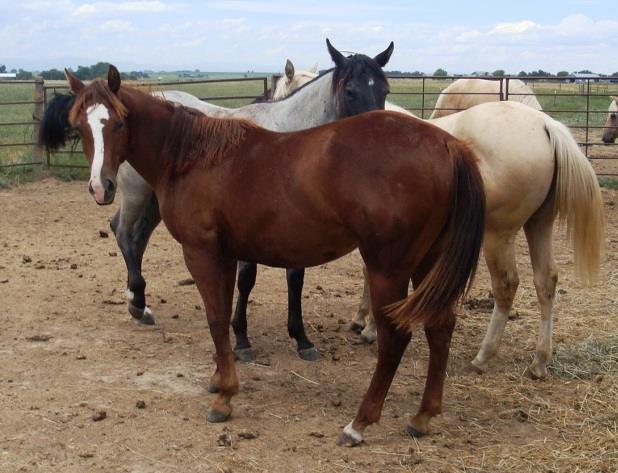
People usually end up searching “Tiger Horse” when they’ve seen a spotted, gaited horse called one and want to know if it’s a real breed, what makes it different from an Appaloosa, and whether there’s anything special to watch for in care.
The short answer: “Tiger Horse” is used for a small, registry-based type of spotted, often gaited horse—known for leopard-complex patterning and a smooth, ambling way of going. The look is the easy part. The important part is understanding what that spotting can be linked to in health, and then managing feed, feet, and eyes with steady, ordinary horse sense.
What a “Tiger Horse” is (and what it isn’t)
In practice, “Tiger Horse” usually means a horse registered through a Tiger Horse registry and bred for two headline traits: leopard-style spotting and a comfortable, natural intermediate gait (often described as an “Indian Shuffle”). The term is sometimes used loosely for any spotted horse with an amble, so paperwork matters if you’re trying to confirm breed status rather than just colour and movement.
It’s also not a separate colour gene. The bold, spotted patterns people associate with Tiger Horses sit within the same broader family of leopard-complex patterning seen in breeds like the Appaloosa and Knabstrupper, with a wide range of expressions—from a hip “blanket” to an all-over leopard pattern, and even coats that look nearly solid but still carry tell-tale traits. 1, 2
History and background: a practical view
Stories around Tiger Horses often point to Spanish horses, Indigenous horsemanship, and the long tradition of spotted horses in the Americas. Much of this is hard to pin down to a single, documented origin story because “Tiger Horse” is a modern registry identity more than a centuries-old closed breed with continuous studbooks.
What’s easier to say with confidence is what breeders have selected for: an eye-catching leopard-complex coat, a manageable size, and an easy, ground-covering gait that stays comfortable over distance.
Physical characteristics
Size and build
Most Tiger Horses are medium-sized riding horses. You’ll commonly see individuals in the mid-teens (hands) range, built to be balanced and tough rather than extremely fine or heavily boned.
Coat patterns and “spotting” traits
The famous look—leopard spots, blankets, varnish roan, snowflake and related patterns—sits under the leopard-complex umbrella, which can also bring subtle physical markers such as mottled skin and visible white sclera. Expression varies widely between horses, even within the same family. 1, 2
The gait (“Indian Shuffle” and other ambles)
Many Tiger Horses are naturally gaited, offering a smooth intermediate gait that reduces bounce compared with a trot. If you’re assessing a horse, watch it loose and under saddle: a true, comfortable amble is usually easy to feel, but it can be muddied by tension, poor hoof balance, or incorrect riding.
Temperament and behaviour
As with most horses, temperament is shaped more by handling, training, and individual nature than by a label on a registration certificate. That said, Tiger Horses are commonly described by owners as sensible, people-tolerant horses that suit trail and pleasure work well.
If you’re choosing one as a family mount, treat it like any other purchase: look for calm responses to novelty, a consistent work history, and a body that’s comfortable doing what you want it to do.
Training and exercise needs
Early handling
Start quietly and early. A gaited horse benefits from patient basics—leading, standing, feet handling, loading—because tension can spill straight into the way it moves.
Keeping the gait comfortable
- Prioritise rhythm and relaxation before speed.
- Keep hooves balanced; long toes and underrun heels can make any horse uncomfortable and can disrupt an even, easy stride.
- Build fitness gradually, especially for long trail rides.
Health considerations (especially for spotted horses)
Eyes: uveitis risk in leopard-complex horses
Leopard-complex patterning is not just cosmetic. In Appaloosas and other leopard-complex horses, research links the LP gene region with increased risk of equine recurrent uveitis (ERU), a painful inflammatory condition that can quietly cause cumulative damage and, in severe cases, blindness. 3, 4
Not every spotted horse will develop ERU. But it’s wise to treat eye health as routine maintenance: notice cloudiness, squinting, tearing, light sensitivity, or a red, swollen eye, and involve a vet early.
Night vision: congenital stationary night blindness (CSNB)
Horses with two copies of the leopard-complex allele (often written LP/LP) are associated with congenital stationary night blindness (CSNB). In plain terms, some affected horses struggle in low light and may be unsafe to ride at dusk or in dark yards. Genetic testing can clarify LP status in many leopard-complex horses. 4
Everyday horse problems still apply
Like any riding horse, Tiger Horses can develop colic and laminitis. These conditions are strongly influenced by management—especially sudden diet changes, high-starch feeding, and uncontrolled access to rich pasture in susceptible animals. 5, 6
Diet and nutrition: keep it forage-first
A steady forage base is the simplest foundation. Many adult horses do well when most of the ration is good-quality hay and/or pasture, adjusted to body condition and workload. A widely used rule of thumb is that horses eat roughly 1.5–2.5% of bodyweight per day in dry matter, depending on feed quality and the individual animal. 7
Concentrates can be useful, but more is not better. Higher grain intakes are associated with higher colic risk, and rapid dietary changes can destabilise the gut. If you need extra energy, make changes slowly and with advice from your vet or an equine nutritionist. 5
Pasture and laminitis: a quiet risk
Rich pasture can carry high non-structural carbohydrates (sugars), which can trigger laminitis in susceptible horses. If your horse is an “easy keeper”, overweight, or has a laminitis history, manage grazing carefully—limit time, consider a grazing muzzle, and be cautious during spring flush, regrowth, drought stress, and cool nights followed by sunny days. 6, 8
Grooming and routine care
The coat itself doesn’t need special products because it’s spotted, but regular grooming is still valuable: it keeps the skin healthy, helps you spot rubs and parasites early, and builds calm handling habits.
- Brush often enough to lift dirt and sweat from under tack.
- Pick out feet daily where possible, especially in wet conditions.
- Keep a regular farrier schedule suited to growth rate and workload.
Quick checks before you buy a Tiger Horse
- Verify identity: if “Tiger Horse” matters to you, ask for registration details and confirm them.
- Watch the horse in low light: if heavily leopard-spotted, ask about night behaviour and consider genetic testing for LP status. 4
- Look closely at eyes: ask about any history of uveitis, and consider a pre-purchase exam that includes an eye assessment. 3
- Feel the gait under saddle: a comfortable gait should feel steady and repeatable, not rushed or tense.
Final thoughts
Tiger Horses draw attention because their coats look like weather moving across stone—spots, varnish, sudden white. But the real value is quieter: a steady horse with a smooth way of travelling and enough sense to carry a rider comfortably for hours.
Keep the management simple and observant. Feed for gut health, protect the feet, take eyes seriously in leopard-complex horses, and let the horse’s movement stay relaxed and natural.
References
- Veterinary Genetics Laboratory (UC Davis): Leopard Complex, Congenital Stationary Night Blindness, and Uveitis
- Veterinary Genetics Laboratory (UC Davis): Leopard Complex (LP) test information and interpretation
- UC Davis Center for Equine Health: Equine Recurrent Uveitis (ERU)
- Veterinary Genetics Laboratory (UC Davis): LP/LP association with CSNB and ERU risk
- University of Minnesota Extension: Colic in your horse
- University of Minnesota Extension: Grazing horses prone to laminitis
- Extension Horses: Common Feeding Programs for Horses
- Oregon State University Extension: A horse owner’s guide to pasture-associated laminitis

Veterinary Advisor, Veterinarian London Area, United Kingdom