
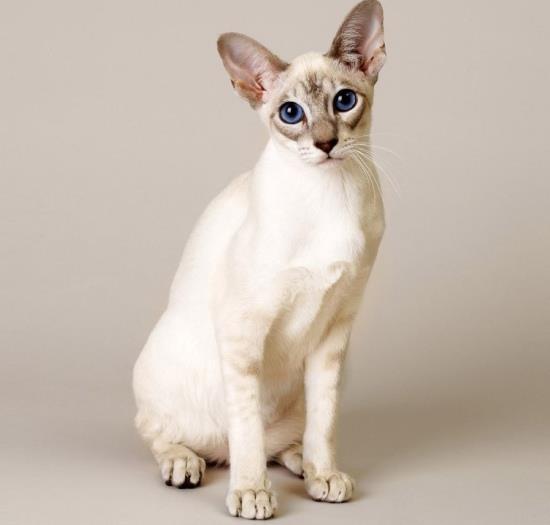
People usually start looking up Singapura cats for one reason: they’ve met one (or seen the photos) and want to know whether this tiny, wide-eyed cat will actually fit their household day to day. Size is only part of it. Temperament, noise, health screening, and the reality of finding a responsible breeder matter more than the “world’s smallest” headline.
Below is a clear, practical guide to what Singapuras are like, where the breed came from, what to watch for health-wise, and how to keep one settled and well—without the myths, and without the fluff.
Singapura at a glance
The Singapura is a small, compact cat with a short, ticked coat and a face dominated by large eyes and ears. Many registries describe the breed as the smallest pedigree cat, but they are not fragile ornaments—they tend to be athletic, alert, and keen to be involved in whatever’s happening in the house.1
- Adult size (typical): females about 4–6 lb (1.8–2.7 kg); males about 6–8 lb (2.7–3.6 kg).1
- Coat: short, fine, ticked; commonly recognised in a sable/sepia ticked tabby pattern by major registries.1
- Life expectancy: often quoted in the low-to-mid teens, with some living longer; individual lines and general care matter.1
History and origin
Singapura is the Malay name for Singapore, and the breed is associated with small, ticked cats found in Singapore in the 1970s. The best-known early breeding history in the United States centres on Hal and Tommy Meadow, who brought ticked cats back to the US and established an early breeding programme from a very small foundation population.1, 2
In the cat fancy, “recognition” depends on the registry. For example, the Cat Fanciers’ Association (CFA) notes the Singapura was granted championship status in 1988.2 (Other registries recognised the breed on different timelines.)
Physical characteristics
A Singapura should feel small but solid: compact, muscular, and surprisingly strong for its size. The coat is short and close-lying, with ticking that gives a softly shaded, sepia-toned look rather than bold stripes. The eyes are large and expressive, often described in green-to-hazel ranges, and the ears are noticeably large and open, contributing to the breed’s alert silhouette.1
Temperament and behaviour
Singapuras are often described as busy, curious cats that prefer proximity—following their people from room to room, climbing to higher vantage points, and inserting themselves into quiet routines as well as noisy ones. They typically enjoy interactive play and learning household patterns quickly.1
This doesn’t mean every Singapura is the same. Some lines are more vocal than others, and an individual cat’s behaviour is shaped by early handling, household stress levels, and whether they have enough climbing, scratching and play outlets.
Personality and suitability as a family pet
In many homes, Singapuras do well with gentle children and sociable pets, especially when introductions are slow and well managed. They often prefer company, and some registries note they may do best with another cat for companionship—particularly if the household is empty during the day.1
Quick suitability check
- Good fit if you want a cat that is present, curious, and keen on interaction.
- Harder fit if you want a low-contact “ornamental” cat or you can’t provide climbing space and daily play.
Training, play and exercise
Think of exercise as daily maintenance, not an optional extra. Short, frequent play sessions tend to suit Singapuras well: wand toys, ping-pong balls on hard floors, climbing trees, and puzzle feeders that make them work for part of their meal.
Reward-based training (treats, attention, play) usually works better than correction. If you’re shaping behaviours like harness tolerance or carrier comfort, go slowly and stop before the cat tips into stress.
Care and maintenance
Grooming
The short coat is generally easy to manage. Weekly brushing is usually plenty, and it doubles as a quick skin check—feeling for scabs, fleas, or weight changes under the coat.4
Dental care
Dental disease is common in adult cats, and home care helps. RSPCA guidance recommends daily brushing if possible (or at least twice weekly), using cat-specific toothpaste—never human toothpaste.3, 4
Routine health care
Regular veterinary check-ups matter more than breed reputation. Ask your vet about vaccination schedules, parasite control appropriate to your area, and weight monitoring—small cats can still drift into obesity when calories quietly creep up.
Common health issues and lifespan
Singapuras are often described as generally healthy, but two breed-relevant realities are worth knowing: the small founder population (meaning some lines can carry inherited issues), and the importance of health screening in breeding cats.1, 2
Inherited conditions to ask about
- Pyruvate kinase (PK) deficiency: an inherited haemolytic anaemia seen in multiple breeds, including Singapura. A DNA test is available, and responsible breeders should be able to discuss results (affected, carrier, clear) in plain language.5
- Birthing difficulties in some lines: uterine inertia has been discussed in breed history and welfare conversations; if you’re buying a kitten, this matters mainly as a signal to choose breeders who prioritise health and genetic diversity, not just looks.6
How long do they live?
Many Singapuras live into their teens with good care, and registry profiles commonly cite a broad range that reflects real variation between individuals and lines.1 For context, large-scale veterinary studies (not specific to Singapuras) estimate average life expectancy for cats overall at around the low teens, with differences between crossbreeds and purebreds and strong links to body weight and neuter status.7
Diet and nutrition
Feed a complete and balanced diet appropriate to your cat’s life stage, and adjust amounts based on body condition—not just what the packet suggests. Veterinary guidelines emphasise tailoring intake to the individual cat and using feeding strategies (portion control, enrichment, foraging) to reduce obesity risk.8
Treats are fine, but keep them as a small fraction of total calories. A common veterinary-nutrition rule is to keep treats to less than 10% of daily energy intake so the main diet still carries the nutrient load.9
Fun facts (kept honest)
You’ll sometimes see the Singapura described with nicknames and colourful folklore. What reliably holds up is simpler: it’s a small cat with a big presence, shaped by selective breeding from a limited early gene pool, and cherished by people who like an engaged, interactive companion.1, 2
Final thoughts
A Singapura suits households that like a cat underfoot: watching, climbing, helping (without pretending the cat has human motives). If you’re choosing a kitten, put your effort into breeder transparency—health testing, early handling, and a willingness to talk through the less glamorous parts of ownership. The tiny frame is the easy part. The daily relationship is what you’re really adopting.
References
- The International Cat Association (TICA) – Singapura breed profile
- Cat Fanciers’ Association (CFA) – Singapura article (1996)
- RSPCA Pet Insurance – Guide to cat dental care
- RSPCA Pet Insurance – Grooming your cat
- UC Davis Veterinary Genetics Laboratory – PK deficiency (cat) test information
- Wikipedia – Singapura cat (overview and health notes; use with care and cross-check key claims)
- The Guardian – Summary of Royal Veterinary College research on cat life expectancy (UK data)
- 2021 AAHA/AAFP Feline Life Stage Guidelines (open-access via PubMed Central)
- Merck Veterinary Manual – Feeding practices in small animals (treats and calorie proportion)

Veterinary Advisor, Veterinarian London Area, United Kingdom