
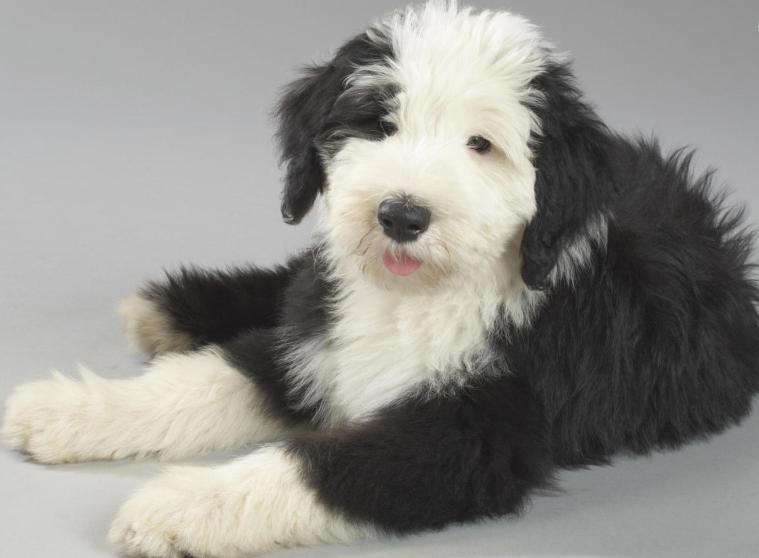
People usually look up Old English Sheepdogs when they’re weighing up a shaggy “bobtail” puppy, trying to match a dog’s needs to their household, or checking whether the grooming and exercise demands are manageable. With this breed, the main pressure points are predictable: a heavy coat that mats quietly if it’s ignored, a big, athletic body that needs daily movement, and a handful of inherited health risks that are best planned for early.
Below is a clear, practical guide to what an Old English Sheepdog is like to live with—how they’re built, where they came from, what they tend to need day-to-day, and the common issues to watch for—grounded in recognised breed information and animal-care guidance.1, 2, 3
Old English Sheepdog at a glance
- Size: Large, square and strongly built.1, 2
- Height (guide): About 61 cm and up for dogs; about 56 cm and up for bitches (breed standard minimums).1
- Typical weight (range seen in breed overviews): Roughly 27–45 kg (60–100 lb).3
- Coat: Long, harsh-textured, shaggy outer coat with a waterproof undercoat.1
- Colour: Breed standards generally describe grey/grizzle/blue with white; brown shades are considered undesirable/objectionable in standards.1, 2
- Exercise: High daily needs in many breed guides (often more than two hours).2
- Grooming: Frequent, ongoing coat work; many guides suggest daily attention for long-coated breeds like this.2
- Lifespan: Commonly around 10–12 years.3
History and original work
The Old English Sheepdog developed in England, with modern accounts commonly placing its rise in the 18th century. It was used as a drover and farm dog—moving stock and working in open country where stamina and steady movement mattered as much as speed.3
There are long-running theories about ancestry—various British sheepdogs and European herding dogs are often mentioned—but the clear thread is function: a substantial, capable worker built to travel and cope with rough weather.2
Physical characteristics you’ll notice
Under the coat, this is a compact, muscular dog with a square outline and a distinctive rolling gait at a walk. In the UK standard, the natural outline shouldn’t be reshaped by heavy scissoring or clipping—an important clue to how the breed is meant to look and move when it’s healthy and fit for purpose.1
“Bobtail” is part of the folklore, but it needs a modern caveat. Tails were historically docked and some dogs are naturally bobtailed, yet docking practices have changed; in the UK, routine docking is not permitted, and you will commonly see Old English Sheepdogs with full tails.2
Temperament and behaviour
Breed standards describe an even-dispositioned, biddable dog—bold and trustworthy, without nervousness or unprovoked aggression. In real homes, that often translates to a dog that likes being near its people and does best with steady training and a predictable routine rather than constant novelty.1
They can be exuberant. Size alone can make greetings clumsy, especially with visitors and small children, so it helps to teach calm, rehearsed behaviours early—sitting for pats, walking without barging, and settling on a mat.
Training and daily exercise
Old English Sheepdogs were built for work that lasted. Many breed guides suggest they need substantial daily exercise—often more than two hours—along with something to occupy the mind: training games, scent work, or structured play in a secure area.2
Keep training short and clear. A heavy-coated adolescent dog can overheat if you drill for too long in warm weather, and a bored one will invent its own activities. Reward-based training tends to suit the breed’s steady, thoughtful style of learning.
Grooming: the coat is the job
The coat is shaggy and double-layered, designed to resist weather. It also tangles easily, and once mats form they tighten close to the skin, trapping moisture and debris. For many households, grooming becomes a routine rather than an occasional chore.1
As a general guide for long-coated and double-coated dogs, regular brushing helps prevent mats and tangles, and it’s worth training puppies early to accept handling—feet, belly, ears, tail—so grooming doesn’t become a wrestle later.4
- Aim for: frequent line-brushing (through to the skin), not just “surface fluffing”.
- Pay attention to: behind ears, armpits, groin, under collar/harness, and the rump—mats often start where there’s friction.
- Plan for: professional grooming support if you can’t reliably keep up at home.
Health and lifespan: what to watch for
Most Old English Sheepdogs are robust when bred and raised well, but they do have known breed risks. Life expectancy is commonly given as about 10–12 years.3
Inherited and common concerns
- Hip dysplasia: a developmental condition of the hip joint that can lead to pain and arthritis; screening in breeding dogs is an important safeguard.6
- Eye issues: cataracts are regularly mentioned in breed health discussions; routine veterinary checks help catch problems early.7
- Skin trouble under heavy coat: mats can hide irritation, parasites, and infections, so grooming is also health surveillance, not just aesthetics.4
Preventive care that matters in Australia
If you live in tick-prone parts of Australia, paralysis ticks are a real seasonal hazard. Prevention is layered: talk to your vet about an appropriate tick product, avoid high-risk habitat in peak times, and do a thorough daily hands-on search—even when preventatives are used.5
Diet and body condition
There isn’t a single “correct” diet for the breed, but there is a consistent theme: keep them lean. A thick coat can hide weight gain, and extra kilos load the joints and reduce heat tolerance. Use your vet’s body-condition scoring at check-ups and adjust portions as activity changes across seasons.
Is an Old English Sheepdog a good fit?
This breed tends to suit homes that can offer time, space, and a steady rhythm: long walks, training that’s kept gentle and consistent, and regular coat maintenance. In return, you usually get a calm presence in the house and a dog that moves through family life like a big, shaggy shadow—quiet until it isn’t, and always needing a brush sooner than you think.1, 2
References
- The Kennel Club (UK) — Old English Sheepdog breed standard
- The Kennel Club (UK) — Old English Sheepdog breed information (Breeds A to Z)
- Encyclopaedia Britannica — Old English Sheepdog (breed overview)
- RSPCA Pet Insurance (Australia) — Guide to dog cleaning and grooming
- RSPCA NSW — How to protect your pets from paralysis ticks
- Canine hip dysplasia (overview)
- Old English Sheepdog Club of America — Official (1990) AKC standard (colour/size details)
- The Kennel Club (UK) — Old English Sheepdog registrations and vulnerable native breed note

Veterinary Advisor, Veterinarian London Area, United Kingdom