
People usually end up searching for Miniature Schnauzer facts when they’re weighing up a new dog, checking whether their pup is “normal size”, or trying to make sense of grooming and health advice that doesn’t quite match what they’re seeing at home. With this breed, small details matter: coat care affects skin comfort, diet affects long-term health, and early habits can shape barking and manners for years.
Below is a clear, practical guide to the Miniature Schnauzer’s size, look, temperament, exercise, grooming, and the health issues owners and vets most often keep an eye on—grounded in recognised breed standards and veterinary guidance.1, 2, 3
Miniature Schnauzer at a glance
- Height: Breed standards describe an ideal around 33 cm for bitches and 36 cm for dogs (measured at the withers), with small variation seen in pet homes.1
- Weight: Commonly around 5–9 kg, depending on height, bone and condition; many healthy adults fall in the 5–8 kg range.2
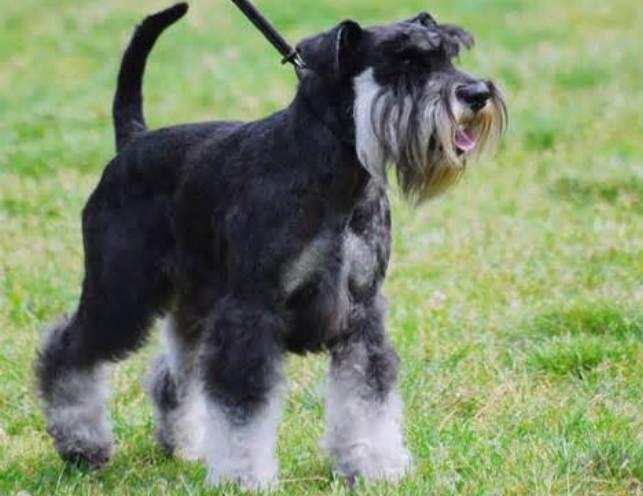
- Coat: Harsh, wiry topcoat with a dense undercoat (a true double coat).1
- Colours: Pepper-and-salt, black, black-and-silver; some standards also recognise white.1
- Temperament: Bright, alert, people-oriented; often vocal if bored or under-trained.2
- Typical lifespan: Often around 12–15 years, with many living well into their teens with steady care.2
Where the breed comes from
The Miniature Schnauzer was developed in Germany by breeding down from the Standard Schnauzer to produce a smaller, nimble farm dog—useful around stables and sheds, and quick enough to deal with vermin. That working background still shows today in the breed’s sharp hearing, watchfulness, and enthusiasm for a job to do, even if the “job” is simply learning tricks or following you from room to room.
Appearance and distinctive features
A Miniature Schnauzer looks like a small dog carved from wire and muscle: compact, squarely built, with a rectangular head framed by the breed’s hallmark furnishings—bushy eyebrows and a beard.1
That facial hair doesn’t make them “older” or “wiser”; it simply changes the silhouette. What owners often read as expression is really a mix of eyebrow furnishings, head carriage, and a dog that tends to watch and listen before moving.
Temperament: what they’re like to live with
Miniature Schnauzers are typically friendly and quick to learn, with an alertness that makes them good little watchdogs. They notice changes—footsteps in the hallway, a new neighbour dog, a delivery van—and many will announce it unless you teach them what’s worth mentioning and what isn’t.2
They often do best in homes where:
- someone is around for a fair part of the day (or they’ve been gradually taught to settle alone), and
- they get both exercise and mental work (training, sniffing games, food puzzles), not just a lap to sit on.
Children, visitors, and other pets
With sensible supervision, Miniature Schnauzers can be good family dogs. Like many small breeds, they’re better suited to households that teach children how to handle a dog gently—no grabbing beards, no sudden hugs, no cornering when the dog wants space.
With other animals, early socialisation matters. A dog bred for ratting can be intensely interested in fast-moving small pets, so introductions should be careful and management should be realistic.
Training and exercise
Early training and socialisation
Start early and keep it matter-of-fact. This breed is bright and tends to repeat whatever “works”, including nuisance barking, door-rushing, or guarding favourite spots. Reward calm behaviour as deliberately as you reward sits and stays.
What training style works best
Short, frequent sessions suit them well. Use rewards (food, play, praise) and keep rules consistent across the household. If they’re getting “clever” in ways you don’t like, it’s usually because the dog has learned a pattern you didn’t mean to teach.
Daily exercise
Most adults do well with daily walks plus some play or training. The aim isn’t to exhaust them; it’s to give their senses something to do. A sniffy walk, a few short training bursts, and a chance to trot and explore often settles them better than a long, repetitive march.
Health: common issues and practical prevention
Miniature Schnauzers are generally robust, but there are a few conditions that come up often enough to deserve attention in day-to-day care.
Pancreatitis and high blood fats (hyperlipidaemia)
Miniature Schnauzers are over-represented among dogs with hyperlipidaemia (high blood triglycerides/cholesterol), which is associated with pancreatitis in some individuals. In plain terms: rich, fatty foods and creeping weight gain can carry a bigger cost in this breed than in many others. If your dog has recurrent tummy upsets, a painful abdomen, vomiting, or unexplained lethargy, a vet visit matters promptly.
Diabetes and eye disease
The breed is also known for an increased risk of diabetes mellitus and some eye conditions (including cataracts). Regular veterinary checks help catch changes early, especially as your dog moves into middle age.
Keeping weight in the safe range
For many Miniature Schnauzers, staying lean is not a cosmetic preference—it’s a health strategy. Ask your vet team to score your dog’s body condition and help you set a realistic feeding target, then adjust treats and portions to match.4
Grooming: coat care that actually works
The Miniature Schnauzer’s coat is a double coat with a harsh, wiry outer layer and a dense undercoat.1 Even when shedding is modest, the coat still needs maintenance because hair can tangle and felt, especially in the furnishings (legs, beard, belly).
At-home routine
- Brush and comb: several times a week for many pets, focusing on legs, armpits, beard and behind the ears.
- Check the beard: food and moisture can linger. Rinsing and drying helps reduce odour and irritation.
- Nails, ears, teeth: small dogs benefit from regular nail trims and consistent dental care.
Clipping vs hand-stripping
Many pet Miniature Schnauzers are clipped every 6–8 weeks for convenience. Hand-stripping maintains the traditional harsh texture but takes skill and time. A good groomer can talk you through what suits your dog’s coat, lifestyle and skin.
Feeding: what to prioritise
There’s no single perfect diet for every Miniature Schnauzer, but the priorities are consistent: complete and balanced nutrition, steady body condition, and a thoughtful approach to treats—especially given the breed’s tendency toward fat-related problems.4
- Choose a complete, balanced diet suited to your dog’s life stage (puppy, adult, senior).
- Be cautious with high-fat extras (fatty meat scraps, greasy treats).
- Use treats strategically in training, then “pay it back” by reducing meal portions if needed.
Cosmetic procedures in Australia: ears and tails
You may see older photos of Schnauzers with cropped ears or docked tails. In Australia, cosmetic ear cropping is illegal, and tail docking is generally prohibited except for genuine therapeutic reasons carried out by a veterinarian under the relevant state or territory laws.5, 6
Final thoughts
The Miniature Schnauzer is a small working dog in a companion dog’s body: watchful, quick, and ready to be involved. In the right home—where training starts early, the coat is kept comfortable, and weight is managed carefully—they settle into a steady, bright presence, moving through the house like a tidy shadow with eyebrows.
References
- Dogs NSW (ANKC) breed standard: Schnauzer (Miniature)
- American Kennel Club (AKC) breed weight chart (includes Miniature Schnauzer)
- United Kennel Club (UKC) breed standard: Miniature Schnauzer
- World Small Animal Veterinary Association (WSAVA) Global Nutrition Committee resources
- RSPCA Australia: Is ear cropping of dogs legal in Australia?
- Agriculture Victoria: Prohibited procedures on dogs (ear cropping, debarking, tail docking)

Veterinary Advisor, Veterinarian London Area, United Kingdom