
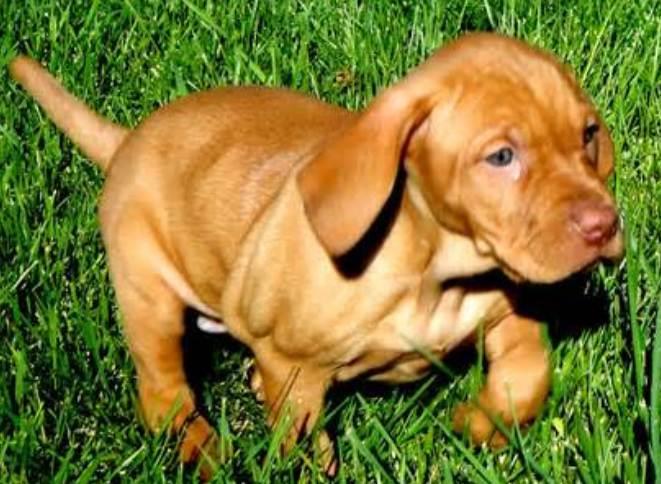
People usually look up the Hungarian Vizsla when they’re weighing up whether this lean, rust-coloured gundog will fit their home and routine. The decision often comes down to two practical questions: can you meet their daily exercise needs, and can you give them the close companionship they’re bred for?
Below is a clear, grounded guide to what a Vizsla is like to live with—size, temperament, training, exercise, grooming, and the health issues worth knowing about—without the fluff.
Size: Medium-sized gundog. Adults typically stand about 58–64 cm (males) and 54–60 cm (females) at the shoulder.1, 2
Weight: Commonly around 20–29.5 kg, with females often lighter than males.2
Coat: Short, smooth coat in shades of russet/golden rust.1, 2
Temperament: Lively, gentle-mannered, demonstrably affectionate, and sensitive; typically very people-focused.2
Energy: High—most need daily exercise plus mental work to stay settled.2, 4
Trainability: Usually strong with calm, reward-based methods and consistency.3
Health: Generally robust, but hip dysplasia can occur; sensible growth management and maintaining a healthy weight matter.5
Grooming: Low-maintenance coat; regular brushing and basic care (ears, nails, teeth) still required.4
Living conditions: Many do best with space and routine, but the bigger factor is daily exercise and company—not just a backyard.
Hungarian Vizsla at a glance
The Vizsla was developed as a versatile hunting dog—built for long, steady days on the move, then close contact with their people afterwards. In day-to-day life, that often shows up as a dog that wants to be near you, learns quickly, and becomes restless if their body and brain aren’t given something to do.2
History and origin
The Vizsla is a Hungarian gundog, long valued for work that blends scenting, pointing, and retrieving. Modern breed standards still reflect that purpose: medium size, endurance, and an even temperament that can handle busy field work without becoming sharp or jittery.1, 2
Physical characteristics
Build, coat, and colour
Vizslas are athletic and lightly built, with a short, smooth coat. The accepted colour sits in a narrow band of russet/golden rust shades; very dark mahogany or very pale yellow are faults in some standards, and the dog is expected to be largely self-coloured.1, 2
A small white mark on the forechest and small white on the toes may be permitted, but extensive white in other areas is treated seriously (and may be a disqualification under some kennel club standards).2
Typical adult size
Most adults sit around 58–64 cm at the withers for males and 54–60 cm for females (FCI standard). The AKC standard uses inches—roughly 22–24 inches for males and 21–23 inches for females—landing in a similar range in practice.1, 2
Temperament and behaviour
A well-bred, well-raised Vizsla is typically lively and gentle-mannered, affectionate with their people, and responsive to training. They’re often described as “sensitive”—not fragile, but quick to notice tone and tension, and less suited to heavy-handed handling.2, 3
Because they’re so people-oriented, long stretches of isolation can be hard on them, and boredom can spill into nuisance behaviour—pacing, barking, chewing, or generally making their own entertainment.4
Training and socialisation
What works best
Reward-based training—setting the dog up to succeed, then reinforcing the behaviour you want—tends to suit Vizslas and is also the approach recommended by the RSPCA for humane, effective dog training.3
Early socialisation matters
Early, steady exposure to different people, places, surfaces, and safe dog-to-dog interactions helps channel that natural enthusiasm into a dog that can cope calmly with everyday life—vet visits, visitors, cafes, kids’ sport ovals, and the odd unexpected noise.6
Exercise and mental stimulation
Adult Vizslas usually need more than a quick lap of the block. Daily exercise should include a mix of:
- brisk walking and sniffing time
- safe off-lead running (where legal and appropriate)
- training sessions, scent games, or food puzzles
Dogs, including active breeds, benefit from regular daily exercise for health and behaviour, and the RSPCA notes that activity also supports socialisation and reduces boredom.4
Puppies: build the engine slowly
Vizsla pups can look ready for anything, but their bodies are still under construction. The RSPCA advises avoiding over-exercising and forced exercise in puppies (like jogging with them), and emphasises letting young dogs rest when they tire.6
Health and lifespan
Vizslas are generally healthy, but—like many athletic, medium-to-large breeds—they can be affected by hip dysplasia. It’s a developmental condition influenced by genetics and other factors, and it can lead to osteoarthritis over time.5
Practical ways owners often reduce risk and impact include keeping dogs lean, building fitness steadily, and seeking veterinary advice early if you notice stiffness, “bunny hopping”, or reluctance to jump or climb.5
Grooming and maintenance
The Vizsla’s coat is simple to care for—usually a weekly brush and a wipe-down is plenty. The rest is standard dog maintenance: nails kept short, ears checked, teeth cared for, and a quick scan for grass seeds after bush walks.4
Diet and nutrition
Feed for a lean, athletic body rather than a “solid” one. Adjust portions based on season, training load, and age, and keep treats doing a job—training, recall practice, calm behaviour—rather than quietly inflating the daily calories.
If you’re changing foods, do it gradually, and if your Vizsla has recurring gut upsets, itchy skin, or persistent ear trouble, it’s worth a chat with your vet to rule out medical causes and to plan a diet approach that suits the individual dog.
Is a Vizsla right for your home?
A Vizsla tends to thrive in homes where someone enjoys being outside most days and doesn’t mind a dog that shadows them from room to room. Space helps, but routine matters more: regular exercise, training, and calm time together.
If you want a low-interaction pet that’s content with minimal daily activity, this probably isn’t the breed. If you want a close companion with stamina, softness, and a quick mind, the fit can be excellent.2, 4
References
- FCI Breed Standard (Vizsla / Magyar Vizsla) – size and colour details
- Vizsla Club of America – AKC Vizsla Standard (size, temperament, markings)
- RSPCA Knowledgebase – Reward-based dog training
- RSPCA Pet Insurance – Essential dog care information (exercise, training, grooming basics)
- Merck Veterinary Manual (Pet Owner Version) – Hip dysplasia overview
- RSPCA Knowledgebase – How to exercise a puppy (avoid forced exercise/over-exertion)

Veterinary Advisor, Veterinarian London Area, United Kingdom