
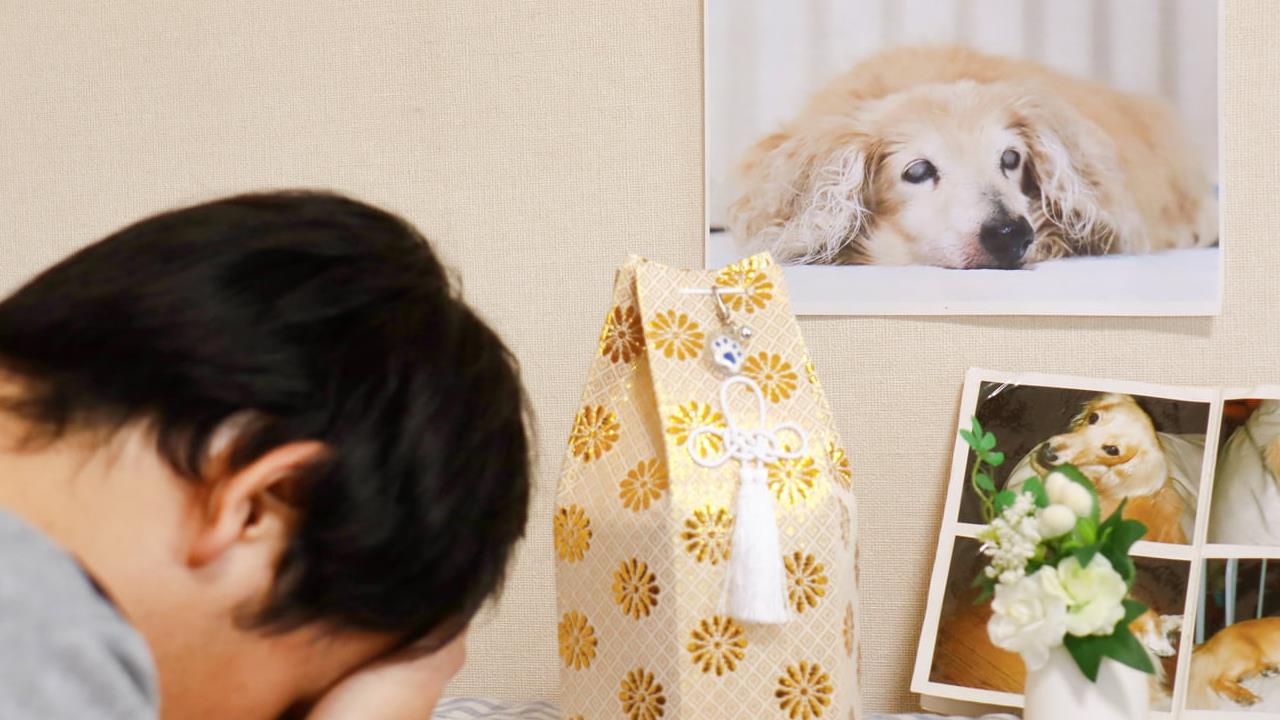
People look this up when someone they care about has just lost a pet—and the usual words feel too small. The stakes are quiet but real: the wrong comment can leave a person feeling embarrassed about their grief, while the right kind of presence can make the loss easier to carry.
Below are steady, practical ways to comfort someone after a pet dies: what to say, what to do, what to avoid, and when grief might need extra support. The aim is simple—help them feel seen, without trying to hurry them through it.
Understanding pet-loss grief
Grief after a pet dies can be intense. For many people, an animal isn’t “just a pet”; it’s a daily relationship—routine, touch, responsibility, companionship—and its absence changes the shape of the house.
Expect a mix of reactions that can shift hour to hour: sadness, numbness, guilt, anger, relief (especially after a long illness), and a lingering sense of where did they go? These responses are common in grief more broadly, and they don’t follow a tidy order.1
Acknowledge the loss plainly
The most helpful first move is usually the simplest: name what happened, and name the bond.
- “I’m so sorry. I know how much you loved [pet’s name].”
- “They mattered. This is a big loss.”
- “Do you want to talk about what happened, or would you rather sit quietly?”
Avoid trying to “balance” their sadness with optimism. Early grief tends to need witness, not solutions.1
What to say (and what to avoid)
Helpful phrases
- “I can’t imagine how empty it feels at home.”
- “What was your favourite thing they used to do?”
- “Would it help if I checked in again tomorrow?”
Phrases that often land badly
- “It was just a pet.”
- “At least they lived a long life.”
- “You can always get another one.”
- “Time heals everything.”
Even when meant kindly, these can sound like instructions to shrink the grief. A better approach is to keep your language concrete, gentle, and brief.1
Invite memories, without forcing the moment
Many people find comfort in telling small stories: the odd habits, the favourite sleeping spot, the way the pet greeted them at the door. You can open that door with one question, then let them choose whether to walk through it.
- “How did you end up choosing them?”
- “What was their funniest quirk?”
- “Do you have a photo you like best?”
If they don’t want to talk, respect that. Silence can be a kind of care.
Offer practical help that doesn’t add work
Grief makes decisions heavy. Vague offers (“Let me know if you need anything”) can feel like another task. Try specific, small options they can accept or decline.
- “I can drop off dinner tonight—would 6 pm suit?”
- “Want me to come with you to the vet to collect ashes / talk through next steps?”
- “I can help you contact a pet cremation service or a memorial place.”
- “Do you want me to pack away food bowls and bedding, or would you rather do that later?”
If the pet died at home, people may be navigating practical choices around burial or cremation; a vet can explain options and any local constraints, and can also point to bereavement supports.2
Don’t forget surviving pets in the household
Other animals in the home may show changes after a companion dies—sleep, appetite, attention-seeking, vocalising, searching behaviours, or withdrawal. It’s sensible to keep routines steady and check in with a vet if behaviour changes are marked or persistent.3
One well-meant mistake is rushing to “replace” the lost pet. A new animal can add stress—especially while routines and relationships in the household are already unsettled.3
Encourage coping and self-care (lightly)
Self-care doesn’t fix grief. It simply keeps the body steady enough to carry it.
- Sleep and food: gentle reminders to eat something small and drink water.
- Movement: a short walk can help when the house feels too still.
- Ritual: a candle, a photo, a pawprint keepsake, planting something in the garden.
- Connection: sitting with a friend, or talking to someone trained in grief support.
If you’re supporting them closely, keep an eye on your own limits as well. Being steady for someone else is easier when you’re not running on empty.4
Supporting the choice to adopt again—or not
Some people want another pet quickly; others can’t imagine it for years. Neither response is “right”. What helps is separating remembering from replacing.
- If they’re considering adoption, offer to go with them to meet animals—without pushing for decisions.
- If they’re not ready, back them quietly. Grief doesn’t respond well to deadlines.
If there are other pets at home, it can be worth talking with a vet or behaviour professional about timing and introductions, rather than assuming a new pet will help everyone settle.3
When to suggest extra support
Most grief is painful but natural. Extra support can help when the person feels stuck, overwhelmed, or unable to function day-to-day for an extended period, or when the loss is tangled with trauma, isolation, or earlier bereavements.1
In Australia, Griefline offers free, confidential support for people experiencing grief and loss (8 am–8 pm, 7 days).5 If specialised pet-loss support is what they want, Pets and People can connect bereaved owners with pet loss counsellors (fees may apply).6
Final thoughts
When someone loses a pet, comfort is rarely clever. It’s steady. It’s remembering the pet’s name, turning up when the house feels quiet, and speaking as if the relationship mattered—because it did.
References
- SAMHSA Library — Tip Sheet: How to Support a Person who is Grieving the Loss of a Life (January 2025)
- RSPCA Pet Insurance Australia — When your pet passes away at home
- RSPCA Pet Insurance Australia — How to comfort a grieving pet
- Beyond Blue — Look after your wellbeing as a supporter
- Australian Government Department of Health, Disability and Ageing — Griefline (contact information)
- SupportConnect — Pets and People (pet-loss support network and counselling)

Veterinary Advisor, Veterinarian London Area, United Kingdom