
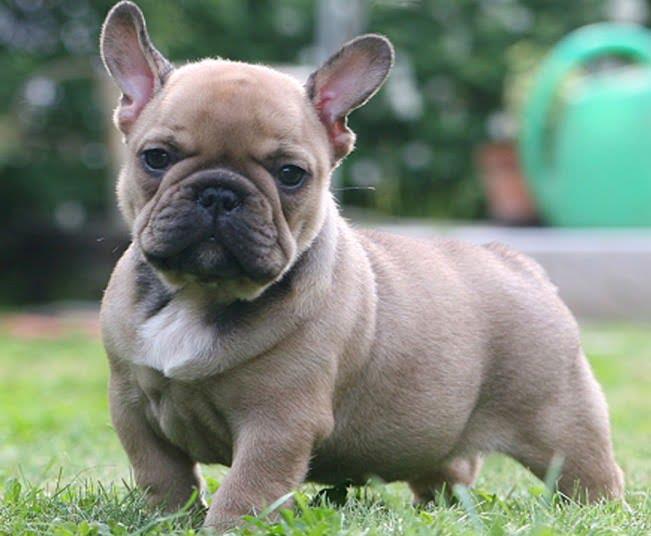
People usually land on a French Bulldog care page for one of two reasons: they’re deciding whether a Frenchie suits their home, or they already have one and want a clear checklist for day-to-day care. With this breed, the small details matter. Heat, breathing effort, skin folds, and weight can quietly tip from “normal” into a vet visit.
Below is a practical, plain-language guide to French Bulldog traits, routine care, and the health risks to keep on your radar—grounded in breed standards and veterinary welfare advice, and written for real homes rather than show rings.1, 3
French Bulldog snapshot
- Breed type: Companion breed with Bulldog (molosser-type) ancestry
- Origins: Developed from small Bulldogs in England, later popularised and refined in France2
- Typical build: Compact, muscular, heavy-boned for their height
- Coat: Short, smooth, close
- Common show-standard colours (Australia/UK): Brindle, fawn, pied (other colours are listed as unacceptable or highly undesirable in breed standards)1, 2
- Weight guide (breed standard ideal): Dogs 12.5 kg; bitches 11 kg (many pet dogs sit outside “ideal”, but fitness matters more than a number)1, 2
- Lifespan: Often quoted around 8–12 years; large-scale UK data suggests French Bulldogs average under 10 years, with variation between individuals7
Temperament: what they’re usually like at home
French Bulldogs tend to stay close to their people. They’re often affectionate, alert, and quietly comical in the way they move through a room—sturdy little bodies, ears pricked, watching what everyone else is doing.
Most are social with visitors once introduced, and many cope well with apartment living because their exercise needs are modest. Training can be slowed by a stubborn streak, especially if the reward is unclear or the session drags on.
Children and other pets
Temperament varies by individual and upbringing, but Frenchies are commonly kept as family companions. Early socialisation matters: calm exposure to kids, visitors, handling, grooming, and other animals sets the tone for adulthood.
Exercise and heat: the non-negotiables for flat-faced dogs
French Bulldogs are brachycephalic (flat-faced). That shape can narrow the airways and makes it harder for them to cool themselves efficiently through panting, especially during warm or humid weather.3, 4
A Frenchie’s best exercise is steady and short, spaced through the day, with plenty of time to recover.
Practical exercise rules
- Choose short, gentle walks rather than long distances.
- In warm weather, walk early morning or late evening and avoid hard play in the sun.3
- Use a well-fitted harness rather than a collar to reduce pressure on the neck and airway.3
- Stop if you see noisy breathing, slowing down, coughing/gagging, excessive effort, or reluctance to move.
Training and socialisation: short sessions, steady repetition
French Bulldogs usually respond best to reward-based training—tiny treats, praise, a toy—delivered the moment they get it right. Keep sessions brief. Two minutes done well beats ten minutes that turns into a negotiation.
If you’re working on loose-lead walking, a harness helps both comfort and control, and is often recommended for flat-faced breeds.3
Health and lifespan: what to watch for
French Bulldogs can be wonderful companions, but they are also over-represented in several health problems. Large veterinary-record studies have found higher risk for a range of disorders in French Bulldogs compared with other dogs, including airway problems and skin and ear disease.5, 6
Brachycephalic obstructive airway syndrome (BOAS)
BOAS is a welfare-critical issue in French Bulldogs. It’s linked to narrowed nostrils, excess soft tissue in the throat, and other airway changes that reduce airflow. Signs can include loud breathing, snoring that worsens with activity, exercise intolerance, gagging, and heat sensitivity.4, 8
Some dogs can be assessed through formal respiratory grading schemes designed for French Bulldogs and other brachycephalic breeds, which can help owners and breeders understand severity and reduce risk over time.4
Skin folds, ears, eyes
Skin-fold dermatitis, ear discharge/infections, and eye problems are frequently discussed in veterinary guidance and population studies of the breed. Regular checks at home—quick, quiet, routine—often catch trouble before it becomes painful.5, 6
Weight matters more than people expect
Extra weight adds load to joints and can worsen breathing effort. For French Bulldogs in particular, keeping a lean, fit body condition is one of the simplest ways to reduce day-to-day strain.3, 5
Grooming and maintenance
The coat is easy. The folds are the work.
Coat
Brush once a week with a soft brush or grooming mitt to lift loose hair and dust. Bath only as needed, using a mild dog shampoo to avoid drying the skin.
Facial folds
Wipe folds gently and keep them dry. Moisture trapped against skin is where irritation thrives. If you notice redness, odour, or discharge, it’s time for a vet check.
Ears
Check ears weekly. A healthy ear is pale pink, with minimal wax and no strong smell. Repeated head-shaking, scratching, or a yeasty odour often means inflammation or infection.
Diet and feeding: keep it simple, keep them lean
Choose a complete, balanced diet suited to your dog’s life stage (puppy, adult, senior). French Bulldogs can gain weight easily, so measure meals and adjust for treats and activity.
Quick feeding habits that help
- Feed measured portions rather than free-feeding.
- Use treats sparingly during training, and “pay” with part of the daily meal when you can.
- Ask your vet or nurse to show you how to score body condition, then re-check monthly.
Can French Bulldogs swim?
Many French Bulldogs are poor swimmers due to their body shape, short legs, and heavy front end, and they can tire quickly. Treat water as a risk zone. If your dog is near a pool, beach, or river, close supervision is essential, and a properly fitted canine life jacket is a sensible precaution.
Final thoughts
A French Bulldog’s care is mostly about rhythm: short walks, cool air, clean folds, steady training, and a watchful eye on breathing and weight. When those basics are in place, they often settle into home life like a small, warm creature of habit—content to follow the day’s movements from room to room, pausing for play in brief bright bursts.
References
- Dogs Australia (ANKC) — French Bulldog breed standard
- The Kennel Club (UK) — French Bulldog breed standard
- RSPCA (UK) — How to care for a flat-faced (brachycephalic) dog
- The Kennel Club (UK) & University of Cambridge — Respiratory Function Grading Scheme (BOAS)
- BioMed Central press release — French Bulldogs have higher risk of 20 common health disorders (RVC VetCompass)
- BioMed Central press release — French Bulldogs at risk of various health problems (RVC VetCompass)
- Scientific Reports — Longevity and mortality of owned dogs in England (large-scale study of life expectancy by breed and traits)
- Packer et al., PubMed — Characterisation of BOAS in French Bulldogs using whole-body barometric plethysmography

Veterinary Advisor, Veterinarian London Area, United Kingdom