
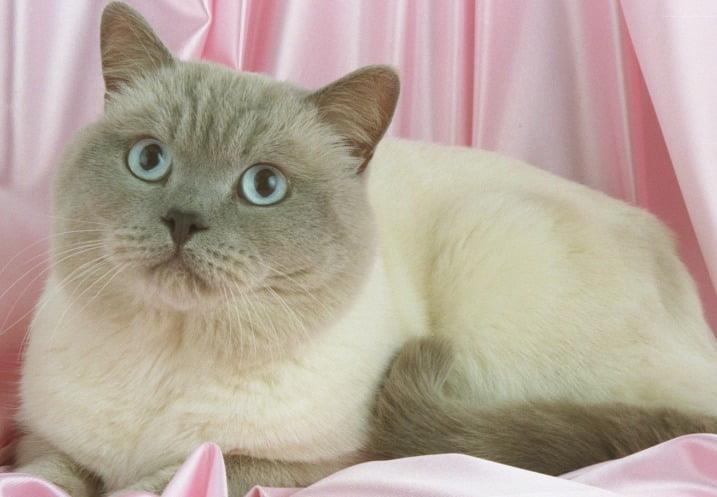
People usually start searching for Colourpoint Shorthair information when they’re weighing up a talkative “Siamese-type” cat, trying to work out what the pointed coat actually means, or checking whether the breed’s health and care needs will fit their household. A clear picture matters: these cats can be intensely interactive, and the choices you make early (diet, dental care, enrichment, routine vet checks) shape their comfort and lifespan.
The Colourpoint Shorthair is essentially a Siamese in body type, but bred for an expanded range of point colours. Expect a sleek, athletic cat with blue eyes, a short coat, and a strong need for company and stimulation.1
At a glance
- Size: Medium, slender and muscular (Siamese-type build)1
- Coat: Short, fine, close-lying1
- Colour: Pointed pattern in multiple non-traditional point colours (varies by registry)1
- Eye colour: Blue1
- Temperament (typical): Vocal, affectionate, active, bright1
- Life span: Often into the teens with good care (individual variation is normal)4
What a Colourpoint Shorthair is (and isn’t)
The Colourpoint Shorthair (also written Colorpoint Shorthair in some registries) is a pointed cat bred to the Siamese “type”, but in a wider palette than the four traditional Siamese point colours. In the Cat Fanciers’ Association (CFA), the breed is described as structurally identical to the Siamese, with the difference centred on colour classes.1
A common point of confusion: the Colourpoint Shorthair is not the Himalayan. Himalayan cats are typically longhaired, Persian-type cats with points, while Colourpoints are shorthaired and Siamese-type. The older draft text also mentioned a Cardigan Welsh Corgi; that’s a dog breed and not relevant here.
History and origin
The breed’s development is tied to mid-20th-century efforts to introduce additional point colours into Siamese-type cats. CFA describes early work involving Siamese crossed with cats carrying red/cream colour genetics, followed by generations of selective breeding to regain the refined Siamese body and head type while keeping the new colours.1, 2
Physical characteristics
Colourpoint Shorthairs are best understood as long, lean cats built for movement: a tubular body, fine bones with firm muscle, a long tapering tail, and a wedge-shaped head with large ears and blue, almond-shaped eyes.1
The coat is short and glossy, lying close to the body. The point pattern is temperature-sensitive: colour concentrates on the cooler parts of the body (mask, ears, legs, tail), while the torso remains lighter, though many cats darken somewhat with age.1
Coat colours and point patterns
Exactly which colours are recognised depends on the registry. In CFA, Colourpoints are judged across multiple point colour classes (including solid point, lynx point, and parti-colour point), with an overall “non-traditional point colours” focus compared with Siamese.1
Personality and temperament
Living with a Colourpoint Shorthair tends to feel like sharing your space with a constant observer: alert, social, quick to learn routines, and often very ready to “comment” on household events. CFA notes the breed’s strong communication style, high intelligence, and affectionate, active nature—sometimes insistent when they want attention.1
They usually do best when they have:
- Daily interactive play (wand toys, chasing games, puzzle feeders).
- Warm, comfortable resting spots (points can deepen in cooler conditions).1
- Human company or a compatible animal companion, where appropriate.
Grooming and everyday care
The short coat is low-maintenance. A weekly brush (or even a gentle wipe-down) is typically enough to remove loose hair and keep the coat glossy.1
Don’t skip the small checks that prevent big problems later:
- Teeth: home dental care and routine veterinary dental assessment matter, because oral and dental disease is extremely common in companion animals.5, 6
- Weight: keep an eye on body condition; slender cats can still gain weight quietly.
- Hydration: encourage water intake (multiple bowls, fountains if your cat likes them).
Health considerations
No single list fits every cat, but there are a few themes worth keeping in view with Siamese-type breeds and with cats generally as they age.
Dental disease
Oral disease is widely recognised as one of the most common health issues in companion animals, and veterinary bodies emphasise regular oral assessment and appropriate dental care (not “anaesthetic-free dentistry”, which guidelines warn can be ineffective and harmful).5, 6
Chronic kidney disease (CKD)
CKD becomes more common with age in cats, and consensus guidelines recommend more frequent health checks for older cats (often every 6 months from around 7 years of age, with targeted testing such as bloodwork and urinalysis).4
Early CKD can be subtle. It’s worth booking a vet visit if you notice increased thirst, larger urine clumps, weight loss, reduced appetite, or a coat that looks dull despite normal grooming.
Training and exercise
These cats often enjoy training because it’s a structured way to interact. Keep sessions short, calm and reward-based. Start with simple behaviours (touch a target, sit on a mat, come when called), then build towards harness training if your cat is comfortable and your environment is safe.
For exercise, aim for a steady rhythm rather than occasional big bursts. A few short play sessions spaced through the day usually suit them better than one long session, especially in a busy household.
Choosing a Colourpoint Shorthair: quick checks
- Noise tolerance: if you want a quiet cat, this may not be your match.1
- Time at home: they typically do better with regular company and enrichment.1
- Vet-ready budget: plan for routine care plus the real possibility of dental work and senior screening over time.4, 5, 6
- Breeder or rescue transparency: ask for health history, vaccination status, and what the cat has been eating and doing day to day.
Final thoughts
The Colourpoint Shorthair is a sleek, pointed cat with the classic Siamese-style presence: active, affectionate, and often very vocal. If you can offer routine, play, and steady companionship, you’ll likely end up with a cat that follows the household’s patterns closely—perched nearby, watching, learning, and quietly demanding to be part of whatever happens next.1
References
- Cat Fanciers’ Association (CFA) – Colorpoint Shorthair (breed profile and standard overview)
- Cat Fanciers’ Association (CFA) – The Colorpoint Shorthair (breed article)
- World Small Animal Veterinary Association (WSAVA) – Global Dental Guidelines (overview page)
- ISFM (International Society of Feline Medicine) – Consensus guidelines on diagnosis and management of feline chronic kidney disease (open-access article)
- WSAVA Global Dental Guidelines (PubMed record)
- American Animal Hospital Association (AAHA) – Senior care guidelines: dentistry section
- Purina Institute – Chronic kidney disease (CKD) in cats (overview)
- Royal Canin Academy – Comorbidities in chronic kidney disease (CKD) in cats and dogs (overview)

Veterinary Advisor, Veterinarian London Area, United Kingdom