
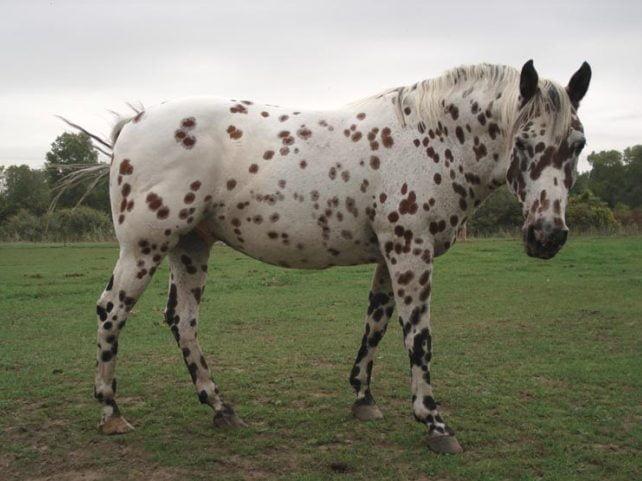
People usually start searching for “Colorado Range Horse” when they’ve seen a spotted, stocky riding horse advertised under that name, or they’re trying to work out whether they’re looking at a Colorado Ranger Horse, a Pony of the Americas (POA), or simply an Appaloosa-type cross.
The details matter. Height limits, registration rules, and even whether a horse is considered a pony can change what it’s suited to, what it’s worth, and which breed society can verify its pedigree. What follows is a practical, plain-language guide to the Colorado Ranger Horse and the similarly named POA—plus the quick checks that stop confusion early.1, 2
First, a quick correction on the name
“Colorado Range Horse and Pony of the Americas” isn’t a recognised single breed name. What people most often mean is one of these:
- Colorado Ranger Horse (also called “Rangerbred”), registered through the Colorado Ranger Horse Association (CRHA).1
- Pony of the Americas (POA), a separate pony breed with strict height rules and Appaloosa-style “loud” colour requirements, registered through the POA Club.2
Both can show leopard-complex spotting. That shared look is where most mix-ups begin.2, 3
At-a-glance: Colorado Ranger Horse vs Pony of the Americas
Colorado Ranger Horse (CRHA)
- Typical height: commonly about 14.2–16 hands (some may be taller).4, 5
- Colour: can be solid or leopard-spotted; registration is pedigree-based rather than colour-based.1, 5
- Type: a ranch/stock-horse build; generally athletic and workmanlike.1
Pony of the Americas (POA)
- Height: registered ponies are 46–56 inches (about 11.2–14 hands).2
- Colour: must show clearly visible Appaloosa colouring (“loud” markings) for registration; pinto patterns are not accepted.2
- Type and use: often Western-oriented, but also seen in driving and other disciplines; built like a small stock horse rather than a heavy pony.2
History: where Colorado Rangers came from
The Colorado Ranger Horse developed in the American West, strongly shaped by influential foundation bloodlines (including the stallions Linden Tree and Leopard) and later organised into a formal registry. The Colorado Ranger Horse Association was founded in the 1930s, with pedigree records forming the backbone of what counts as a Rangerbred today.1
Because many Colorado Rangers carry leopard spotting—and many can be dual-registered—there has long been overlap in paperwork and public perception with Appaloosa registries, even though the CRHA’s defining feature is verified ancestry rather than colour alone.1, 3
Physical characteristics: what you’re likely to see
A Colorado Ranger is typically a medium-sized, stock-horse type with a straight facial profile, strong body, and the sort of balance that suits long days under saddle. Many are solid-coloured; others carry leopard spotting patterns that can range from blankets to full leopard coats.1, 4
A POA, by contrast, is defined by its pony height range and its requirement for obvious Appaloosa-style colouring, often paired with visible leopard-complex traits such as mottled skin, white sclera, and striped hooves.2
Temperament and suitability
Individuals vary, but both types are generally bred for rideability and everyday usefulness: safe feet, sensible movement, and the ability to cope with routine handling. “Friendly and easy to handle” can be true of many, but it’s not a guarantee of any registry—temperament is shaped by training, management, and the individual animal’s history as much as breeding.
Training and handling: a quiet, consistent approach
These horses tend to go best with steady cues and predictable routines. Think of training as building a shared language, not “winning” a conversation.
- Keep sessions short and end on something the horse can do calmly.
- Be consistent with cues and boundaries, especially on the ground.
- Handle feet early and often: daily picking out, regular farrier work, and calm reinforcement make a noticeable difference over time.6, 7
- Feed and routine first: training is harder when a horse is underfed, overfed, thirsty, sore, or unsettled.
Ranch work, trail work, and the reality of “versatility”
Colorado Rangers are still closely associated with ranch and range utility, and they’re commonly used for trail and pleasure riding as well. Their build and background suit long distances, variable footing, and jobs that ask for both stamina and manners.1
POAs are often positioned as an in-between mount—large enough for older children and some adults, small enough to feel manageable—while still carrying that stock-horse style and Appaloosa colouring many people seek.2
Breeding and registration: what “registered” actually means
Registration rules are where names and marketing blur most easily.
- Colorado Ranger Horse registration centres on pedigree (direct descent from foundation lines recognised by the CRHA). Colour is not the deciding factor.5
- POA registration requires the pony to sit within the breed’s height range and show sufficiently visible Appaloosa colouring; it’s not simply “any small spotted horse”.2
If you’re buying, ask to see paperwork and confirm registry details directly—especially if the animal is being sold under a blended name.
Health and wellness: the issues most owners actually face
The original draft listed “laminitis and colic” as the key health issues. That’s not wrong, but it’s incomplete: laminitis and colic are common, high-stakes emergencies across horses and ponies generally, not problems unique to these types.6, 7
Laminitis: what to watch for
Laminitis often announces itself quietly at first—shortened stride, weight shifting, warm feet, a stronger digital pulse, or the classic “leaning back” stance. If you suspect it, treat it as urgent and involve your vet and farrier early.8, 9
Colic: when to treat it as an emergency
Colic is abdominal pain and it can become serious fast. Warning signs include repeated rolling, restlessness, flank-watching, kicking at the belly, and grinding teeth. If you suspect colic, seek urgent veterinary advice.6, 7
Everyday management that reduces risk
- Keep feed changes gradual and routines steady.
- Check horses daily for appetite, manure, movement, and any subtle shifts in comfort or stance.6, 7
- Hoof and dental care matter more than most people expect; they’re slow problems that can become sudden ones.7
- Know what “normal” looks like for your horse so you can spot the first small deviations.
Notable champions and competitors
The original draft lists specific “National Championship” winners and years, but it doesn’t identify a verifiable event, registry program, or results source. Without a reliable record to cross-check, it’s safer to remove those claims rather than risk repeating incorrect names or titles.
Future prospects and challenges
For both Colorado Rangers and POAs, the ongoing challenge is clarity: keeping registration standards meaningful, and keeping buyers informed enough to separate pedigree from pattern. Spotted coats will always attract attention, but the long-term value is usually found in sound feet, a trainable mind, and care that stays steady through seasons.1, 2
Final thoughts
If you want a capable, practical riding animal and you’re drawn to leopard spotting, start by confirming which registry you’re dealing with. A Colorado Ranger Horse is defined by lineage. A Pony of the Americas is defined by pony height and visible Appaloosa colouring. Once that’s clear, the decision comes back to the individual in front of you: soundness, handling, management history, and whether it suits the work you actually do.
References
- Colorado Ranger (overview, history and characteristics) — Wikipedia
- Pony of the Americas (breed characteristics and height requirements) — Wikipedia
- Appaloosa (registry context and related registries) — Wikipedia
- Colorado Ranger — American Horse Network (height and characteristics summary)
- Colorado Ranger Horse Breed Profile — Mad Barn (registry notes and conformation)
- Basic horse care (includes colic signs and urgency) — Agriculture Victoria
- Caring for horses (general health guidance and when to call a vet) — NSW DPI
- Laminitis (signs and prevention) — Pony Club NSW
- Laminitis in horses (treatment and prevention principles) — The British Horse Society

Veterinary Advisor, Veterinarian London Area, United Kingdom