
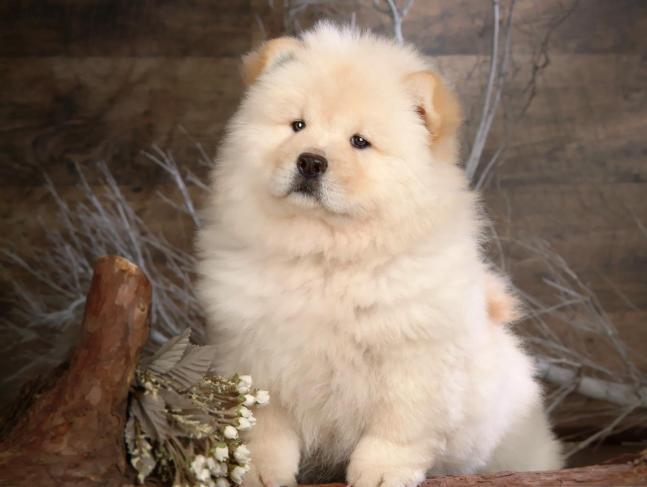
People usually come looking for Chow Chow care advice when they’re deciding if the breed suits their home, or when their dog’s coat, heat tolerance, or training is proving trickier than expected. A Chow Chow can look calm and self-contained, right up until summer hits, mats form under the mane, or a wary streak shows up around visitors.
What helps is treating the Chow Chow like what it is: an ancient, compact working dog type wrapped in a dense double coat, with a famously aloof temperament. The notes below focus on the realities of living with one in Australia—grooming that actually prevents skin trouble, sensible exercise, early socialisation, and the health issues worth watching for.
Size: Medium
Weight: Usually around 20–32 kg (varies by sex and build)
Height: Commonly about 46–56 cm at the withers
Coat: Dense double coat (rough or smooth)
Colours: Solid black, red, blue, fawn/cinnamon, cream/white (shading is common)
Temperament: Loyal yet aloof; independent and reserved
Energy level: Low to moderate
Life expectancy: Often cited around 10–12 years (individuals vary)
Common health concerns: Hip/elbow dysplasia; eyelid problems such as entropion; thyroid disease; skin issues from coat neglect
Grooming needs: High (especially rough-coated dogs and during seasonal sheds)
Chow Chow temperament: what they’re like to live with
The Chow Chow is known for a dignified, watchful manner—often quiet in the house, selective about affection, and more comfortable with calm handling than constant fuss. Breed standards describe the temperament plainly: “loyal yet aloof”.1
That aloofness can be a good thing in the right home. It can also become a problem if a young dog misses early, gentle exposure to visitors, other dogs, grooming, vets, and busy streets.
Are Chow Chows good family dogs?
They can be, especially in households that respect personal space and keep routines steady. They’re usually not ideal for very chaotic homes or rough play. As with any breed, children should be taught calm, supervised interactions—particularly around food, sleeping areas, and when the dog is being brushed.
Chow Chows with other pets
Many Chows can live peacefully with other animals, but early introductions matter. Aim for controlled, positive experiences while the dog is young, and keep management in place until you’re confident the relationship is stable.
History and origin (in brief)
Chow Chows originated in northern China and are considered an ancient breed type. They were used for practical work such as guarding and hunting, and they later became popular in the West during the late 1800s.2
Physical characteristics and unique traits
Chow Chows are compact and squarely built, with a very dense coat and the breed’s hallmark bluish-black tongue. They also have a characteristic “stilted” gait and a distinctive scowling expression created by small, forward-set ears and deep-set eyes.1
The coat comes in two types:
- Rough coat: longer, stand-off outer coat with heavy undercoat.
- Smooth coat: shorter, dense coat that still sheds and still needs regular brushing.
Training and socialisation: what works (and what backfires)
Chows are intelligent, but they’re not reliably eager-to-please. Training tends to go best when it’s short, consistent, and reward-based—good timing, calm repetition, and clear boundaries. Heavy-handed methods often create shutdown behaviour or defensive handling responses, especially around grooming and strangers.
Early socialisation: the non-negotiable
Aim to introduce a Chow Chow puppy (safely and gradually) to:
- people of different ages and appearances (hats, hi-vis, umbrellas)
- gentle handling (paws, ears, brushing, being examined)
- car travel and vet visits that aren’t always “needle days”
- other stable, well-mannered dogs
Keep it calm. Let the dog approach at their pace. The goal is comfort and neutrality, not forced friendliness.
Exercise: steady, not intense
Most Chow Chows do well with regular daily walks and a bit of quiet exploring, rather than long runs or high-speed dog-park games. Think measured movement, not endurance sport.
In Australian heat, plan walks early or late, and prioritise shade, airflow and water. RSPCA advice is clear: avoid exercise in hot conditions, don’t walk on scorching surfaces, and bring pets inside if the indoor environment is cooler (such as air conditioning).3
Heat safety: why Chows need extra care
A thick double coat and compact build can make hot, still days risky. Know the early signs of heat stress and heatstroke—heavy panting, drooling, weakness, vomiting, collapse—and treat it as urgent.3
If you suspect heatstroke, start first aid by cooling with tepid/cool water and fanning, then get to a vet immediately (avoid ice-cold water).3
Health and lifespan: the issues to watch for
Chow Chows are often described as sturdy, but there are a few conditions that come up often enough to plan around—especially if you’re choosing a puppy or managing an older dog.
Joint disease (hip and elbow dysplasia)
Hip and elbow dysplasia can occur in many medium-to-large breeds. Keep your Chow lean, avoid repetitive high-impact exercise in young dogs, and ask your vet about joint-support strategies if stiffness shows up.
Eye problems (including entropion)
Entropion is an eyelid condition where the lid turns inward, allowing hair to rub on the eye. It can cause irritation and corneal damage and may need surgical correction.4
See your vet promptly if you notice squinting, tearing, redness, or the dog rubbing at their face.
Bloat (GDV): know the signs
Gastric dilatation-volvulus (GDV) is a life-threatening emergency. It’s more common in deep-chested breeds, but any dog can be affected. Classic signs include repeated unproductive retching, hypersalivation, restlessness, and abdominal distension.5
If you suspect bloat, it’s an immediate emergency—go straight to a vet.
Grooming and coat care (the part you can’t skip)
A Chow Chow coat is beautiful, but it’s also dense enough to hide problems. Mats and packed undercoat trap moisture and heat close to the skin, which can set up hot spots, infection, and a dog that becomes increasingly uncomfortable with being handled.
How often to brush a Chow Chow
For most rough-coated Chows, daily brushing is a sensible baseline, especially if the coat is long or the dog is shedding. Smooth-coated dogs may need less, but still require regular brushing to prevent undercoat build-up and skin issues.6
A practical grooming routine
- Brush to the skin (not just the topcoat), working in sections.
- Check “hidden” areas: behind ears, mane/neck, armpits, behind thighs, under tail.
- Dry thoroughly after bathing—a damp undercoat can trigger skin trouble.
- Nails, ears, teeth: keep them on a schedule so handling stays normal.
If the coat is already matted, don’t try to yank it out. A groomer can remove matting more safely, and your vet can help if the skin underneath is sore or infected.
Diet and nutrition: keep it simple and measurable
The most useful nutrition habit for Chow Chows is keeping body condition steady. Extra weight loads the hips and elbows and makes heat stress more likely.
Choose a complete and balanced diet appropriate for the dog’s life stage, and don’t rely on ingredient lists as a quality shortcut—WSAVA notes that ingredient lists can be misleading, and encourages owners to use the full label information and the manufacturer’s nutritional expertise when selecting a diet.7
Feeding tips that help in real life
- Measure meals rather than free-feeding.
- Use some of the daily ration for training, instead of piling on extra treats.
- Make fresh water easy to reach, especially in warm weather.3
Final thoughts
A Chow Chow suits people who like quiet companionship and don’t mind a dog with boundaries. In return, you get a steady presence—watchful, self-possessed, and often deeply attached in its own way.
Keep the coat maintained, take heat seriously, train with calm consistency, and prioritise early socialisation. The breed tends to thrive when life is unhurried and predictable.
References
- Dogs Australia (ANKC) – Chow Chow breed standard
- Encyclopaedia Britannica – Chow Chow
- RSPCA Australia – Keeping your pet safe during the heat
- Merck Veterinary Manual – Entropion in animals
- Merck Veterinary Manual – Gastric dilation and volvulus (GDV) in small animals
- Pet Insurance Australia – Chow Chow (grooming and breed overview)
- WSAVA – Global Nutrition Guidelines
- American Kennel Club – Chow Chow
- Cornell University Riney Canine Health Center – Heatstroke in dogs

Veterinary Advisor, Veterinarian London Area, United Kingdom