
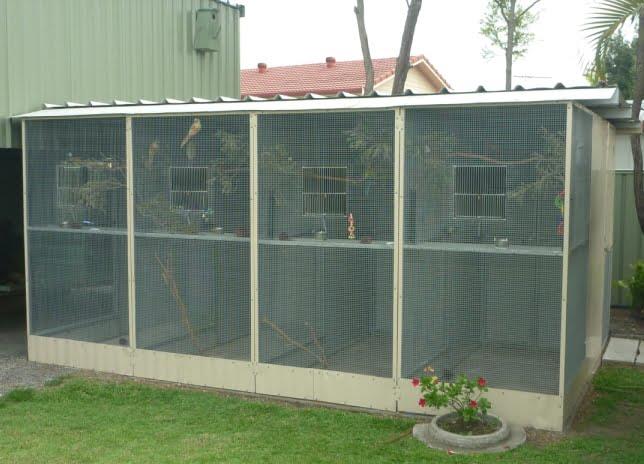
People usually start searching for aviaries when the spare room feels too small, the backyard looks tempting, or a new bird is on the way. The choice matters. A well-built aviary gives birds room to move, clean air, and a safer routine; a poorly planned one can mean heat stress, escapes, injuries, and constant battles with predators and vermin.1, 2
Below is a practical, welfare-first way to choose an aviary: how big it needs to be (and why “tall” isn’t the same as “spacious”), where to place it in an Australian yard, what materials to avoid, and the small design decisions that make daily care easier.1, 3
Start with space: how big should an aviary be?
Size isn’t a luxury feature. It shapes whether a bird can move normally, keep muscle tone, and avoid the frustration that comes from being boxed in.1, 4
A simple rule that holds up: aim for an enclosure that lets each bird fully stretch its wings without touching the sides, with enough room for normal movement between perches and for toys and food stations without crowding the flight path.4, 5
- Prioritise length over height. Many pet birds travel horizontally between perches; a narrow “tower” can look generous but still feel cramped in use.1, 4
- Plan for more than one bird. Sharing space increases competition around food, water, and preferred perches, so the enclosure needs extra room and extra stations.2, 4
- Assume you’ll add enrichment. Foraging options, toys, and multiple perch types all take space; the aviary should still allow clear lines of flight once those are in place.1
Location: sun, wind, noise, and the daily rhythm
Where the aviary sits often matters as much as its dimensions. Birds cope best when they can choose sun or shade, stay dry in foul weather, and settle without constant disturbance.2, 6
- Provide shade for the whole day. In Australian summers, a patch of afternoon shade can be the difference between comfort and dangerous heat load.2, 6
- Use the structure to block prevailing weather. A sheltered side and a dry, protected section help birds avoid wind chill and driving rain.2
- Avoid high-traffic stressors. Constant barking dogs, heavy foot traffic, or busy roads can keep birds on alert. Choose a steadier corner of the property where possible.2
- Check local rules before you build. Councils can regulate enclosure size, placement, and bird numbers, especially in suburban blocks.2
Materials and construction: what lasts, what’s safe, what’s practical
Outdoor aviaries live a hard life: sun, rain, droppings, hose water, and the steady curiosity of beaks. Choose materials that handle moisture and cleaning without becoming toxic, sharp, or brittle.1, 2
Mesh and wire
Mesh needs to do two jobs at once: keep birds in, and keep predators out. Match mesh size to the smallest bird (to prevent head entrapment) and wire gauge to the species’ chewing strength.1
Be cautious with galvanised wire. It can pose a poisoning risk (particularly for parrots that chew), and new mesh may need preparation and weathering before birds are housed in it. Stainless steel is often the safer long-term option where budgets allow.1
Frame, roof, and floor
Timber can look natural but often needs more upkeep in wet areas. Metal frames tend to last longer with less maintenance, provided joints are secure and there are no sharp edges or exposed cut wire ends.1, 2
A partial roof is more than comfort. It creates a dry feeding zone, reduces mould risk, and helps birds regulate exposure to sun and rain.2
Security: predator-proofing and escape-proofing
Predation pressure is real in Australian suburbs and rural areas alike. Even when predators can’t enter, their presence can distress aviary birds—especially at night.3
- Secure every access point. Doors should close cleanly, latch reliably, and resist curious hands and paws.3
- Stop digging predators. A buried barrier or skirt around the perimeter helps prevent entry under the wall line (a common failure point).1
- Limit vermin. Food spillage and seed husks attract insects and rodents, which in turn can draw snakes and other predators toward the aviary. Design for easy cleaning and tidy feeding zones.2
Ventilation, heat, and weather protection
Fresh air matters, but so does control. Birds need ventilation without being pinned in a draught, and they need reliable options for shade and shelter during temperature extremes.2, 6
Good design usually looks like this: an airy structure, a sheltered section protected from wind-driven rain, and enough shade that birds can avoid direct sun at any time of day. If you’re relying on a cover that only shades the aviary in the morning, assume the hottest afternoon will find the gaps.2, 6
Feeding and watering: clean, accessible, hard to contaminate
Feeding systems don’t need to be fancy; they need to be hygienic and easy to service. Place food and water where they’re least likely to be fouled by droppings, and provide enough stations that every bird can access them without conflict.1, 3
Daily cleaning of food and water containers is a simple routine that prevents a slow build-up of bacteria and mould—problems that often appear first as vague lethargy or reduced appetite.1, 3
Perches and enrichment: feet, flight paths, and boredom
Perches shape foot health. Use a variety of diameters and textures (natural, non-toxic branches are often ideal), and position them so birds can move between them without constantly flying over food and water. Avoid abrasive “sandpaper” perch covers, which can cause footpad injury.1
Enrichment matters because confined birds still need to work, chew, climb, and explore. Rotate safe toys and add foraging opportunities, but keep the central flight space clear so the aviary doesn’t become a cluttered obstacle course.1, 7
Cleaning and maintenance: design for the chores you’ll actually do
The best aviary is the one you can keep clean without a struggle. Regular cleaning reduces odour, pests, and disease risk, and it lets you notice small changes in droppings or appetite early.3
- Make surfaces washable. Smooth, hose-friendly areas and removable trays or easily replaced substrate reduce the temptation to “leave it another week”.2
- Keep food areas dry. A roofed section helps prevent damp seed and mould growth.2
- Inspect daily. A quick look for loose wire ends, damaged mesh, or a latch that isn’t catching properly prevents escapes and injuries.3
Final thoughts
A good aviary feels calm. It gives birds room to move, places to shelter, and a layout that keeps food and water clean. It also protects them from the quiet risks—heat, vermin, predators, and the slow wear of weather on mesh and fixings.1, 2, 3
If you’re deciding between two options, choose the one that offers more horizontal flight space, more reliable shade and shelter, and simpler cleaning. Those features age well, and they make daily care steadier for both birds and people.1, 4
References
- RSPCA Australia Knowledgebase: How should I house my bird?
- RSPCA Australia Knowledgebase: Where should I keep my birds?
- NSW Department of Primary Industries: Code of Practice No. 4 – Keeping and trading of birds
- RSPCA Australia Knowledgebase: What kind of enclosure does my bird need?
- RSPCA Australia: How to help your pet bird have a good life
- Agriculture Victoria (Animal Welfare Victoria): Owning a bird
- Merck Veterinary Manual: Overview of Pet Birds
- Merck Veterinary Manual (Pet Owner Version): Providing a Home for a Bird

Veterinary Advisor, Veterinarian London Area, United Kingdom