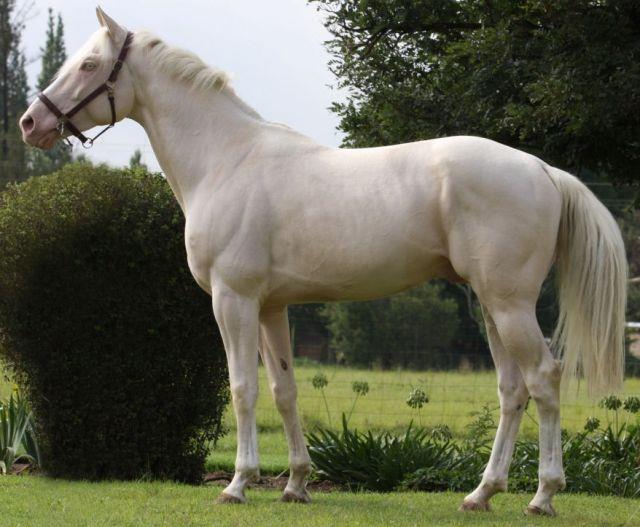
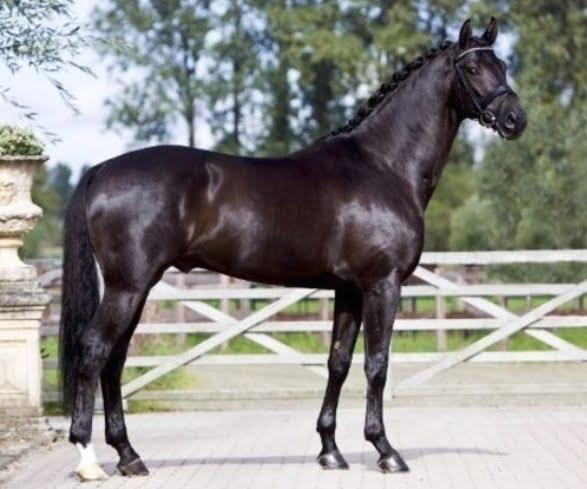
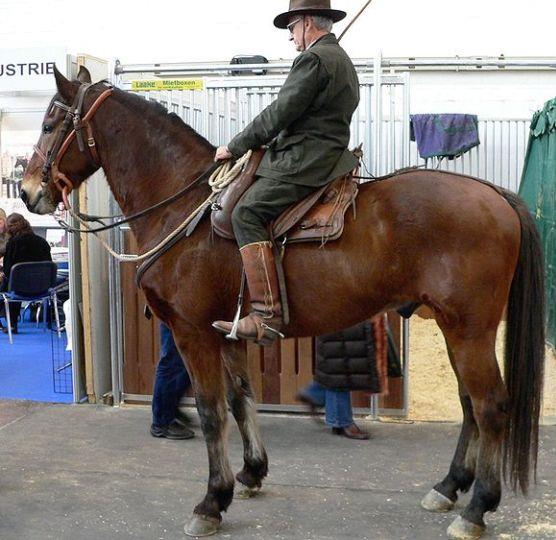
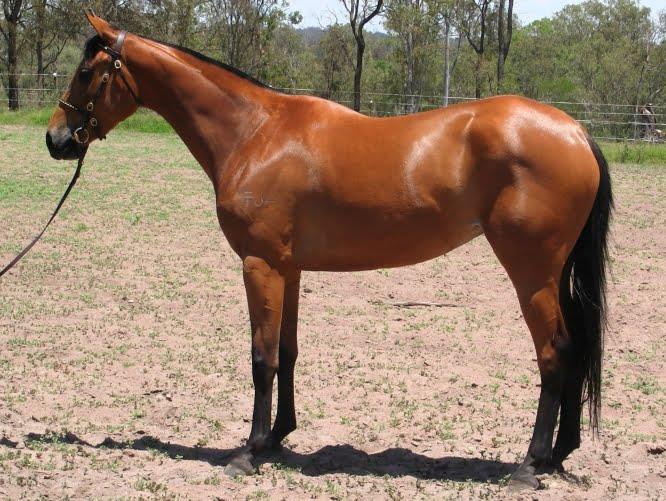
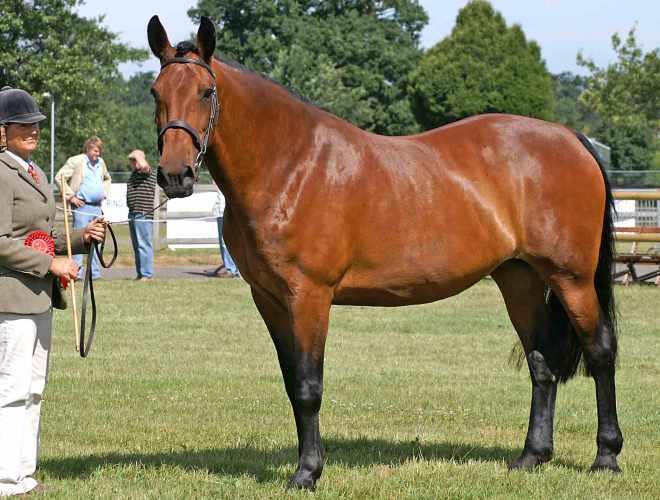
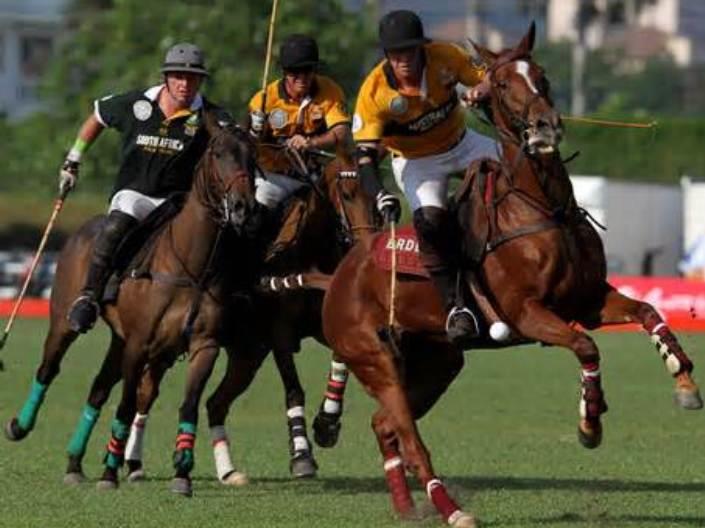
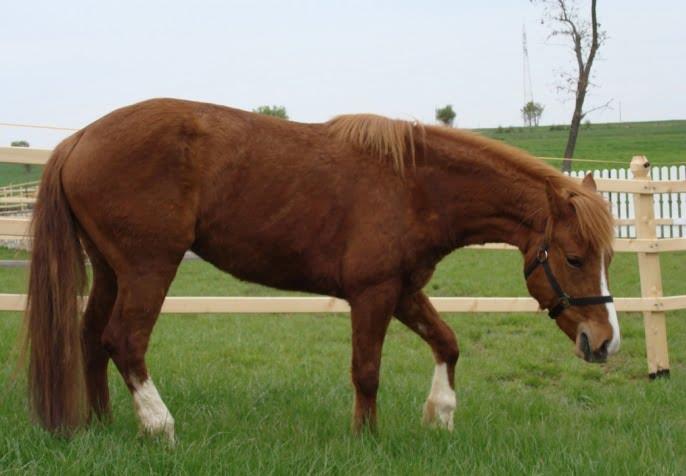
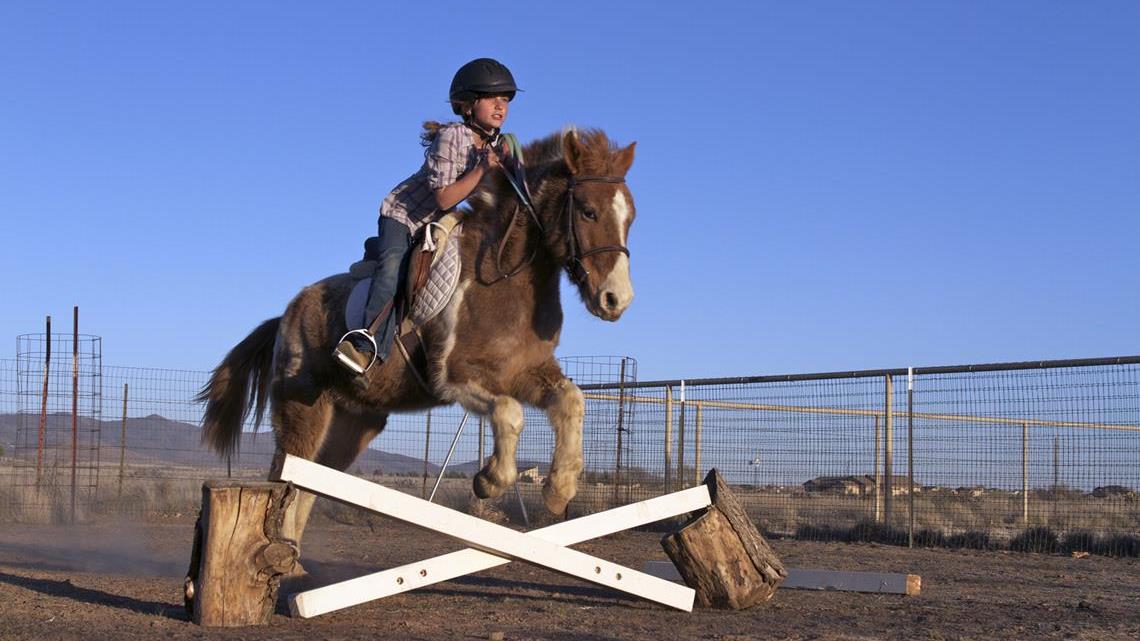
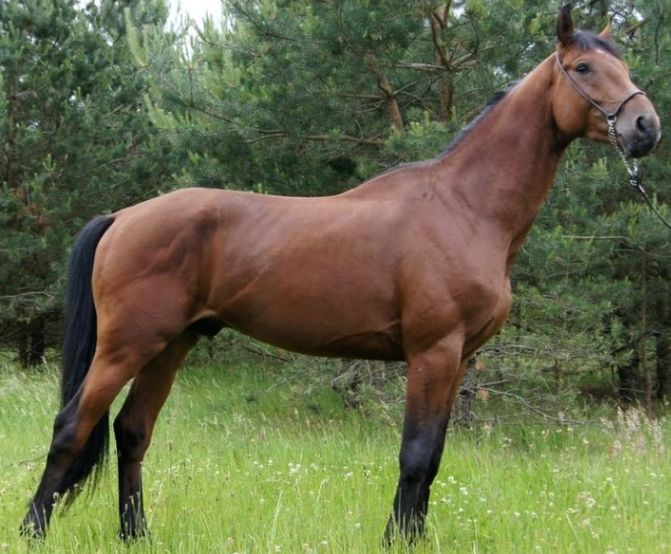
Most people searching for the “Czechoslovakian Warmblood” are trying to pin down what the breed actually is, how it’s registered, and whether it’s a good match for sport or everyday riding. Names get used loosely, and that matters: breeding, papers, and even expected type can shift depending on which stud-book you’re really dealing with. Below […]
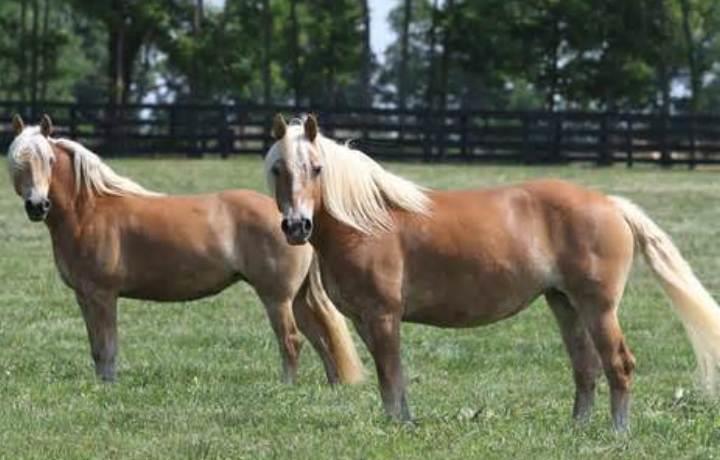
People usually start looking up Haflingers when they’re weighing up a “small horse” that can safely carry an adult, stay sane on the trail, and still turn its hoof to lessons, driving, or farm work. The catch is that hardy often also means “easy keeper”, and that changes how you feed, rug, and manage pasture—especially […]
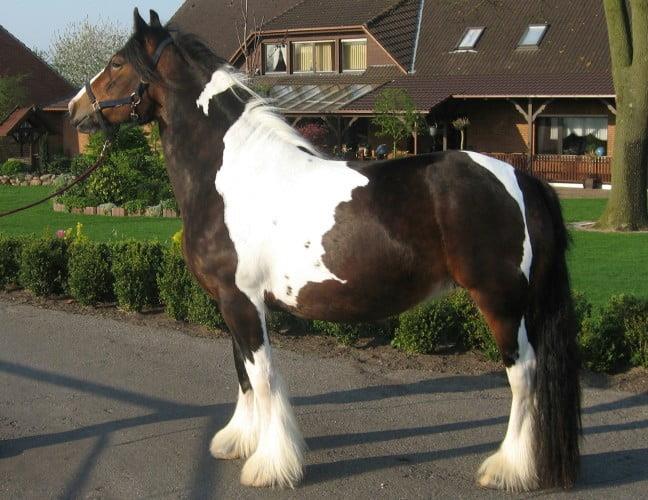
People usually search for Gypsy Vanner horses when they’re trying to identify a breed they’ve seen in photos, check what “normal” size and colours look like, or work out whether one would suit their home and riding plans. The details matter: a calm, compact cob with heavy feathering is delightful to live with, but it […]
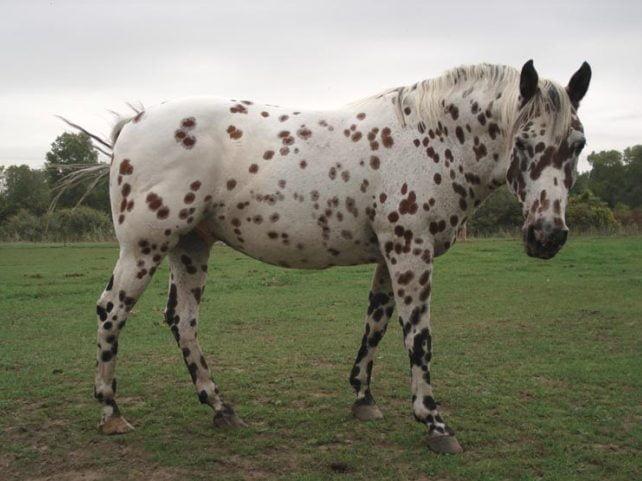
People usually start searching for “Colorado Range Horse” when they’ve seen a spotted, stocky riding horse advertised under that name, or they’re trying to work out whether they’re looking at a Colorado Ranger Horse, a Pony of the Americas (POA), or simply an Appaloosa-type cross. The details matter. Height limits, registration rules, and even whether […]
Most people land on a page like this when they’re trying to make a quick, sensible call about their horse’s care: is that cough just dust, is spring grass a laminitis risk, are vaccinations and worming up to date, and what’s worth doing before a small problem turns expensive. Australian conditions add their own edges. […]
People usually land here when they’re trying to decide whether a “small horse” is actually a pony, or when they’re working out what day-to-day care will look like before they buy, agist, or take on a child’s mount. The details matter: size affects handling and gear, while metabolism affects feeding, weight, and the risk of […]
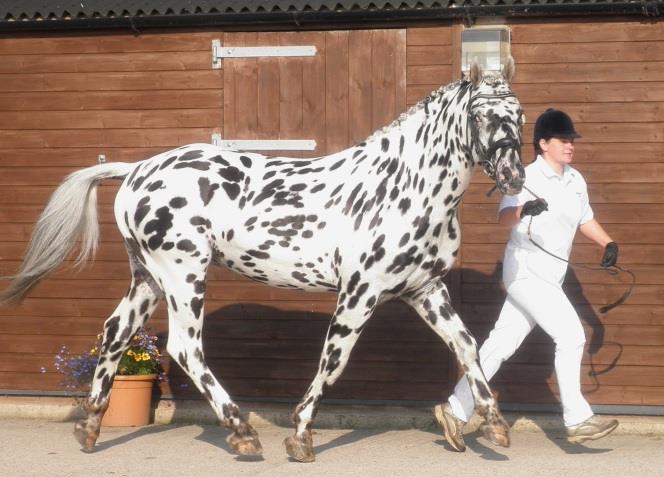
Most people look up the Knabstrupper because they’ve seen a “leopard-spotted” horse and want to know what it is, whether the colour is linked to health issues, and what owning one is actually like day to day. The short answer: it’s a Danish warmblood type, built for riding and driving, with a coat pattern linked […]
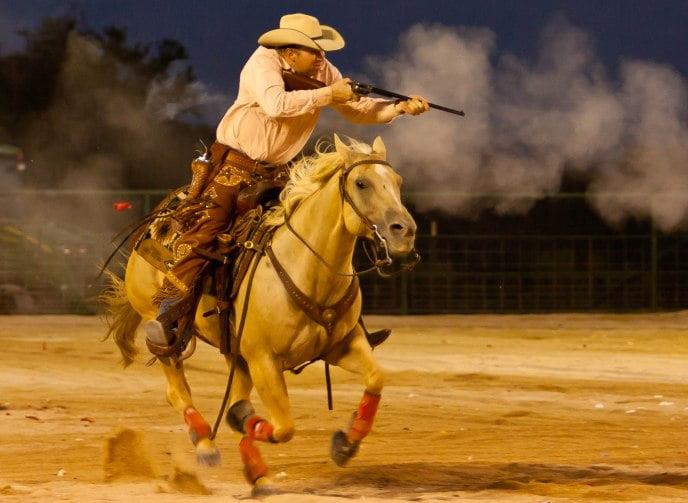
People usually land on Cowboy Mounted Shooting pages for one of three reasons: they’ve seen it at a show and want to know what’s actually happening, they’re considering joining a club and need to understand the safety and gear requirements, or they’re checking whether it’s “real shooting” or a blank-ammunition sport. Cowboy Mounted Shooting sits […]
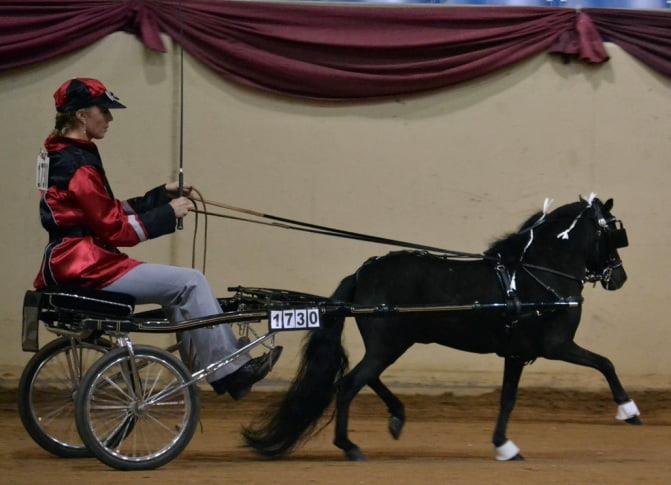
People usually look up “roadster horse showing” when they’ve seen a fast, sulky-style class at a show and want to know what it actually is, what’s judged, and what you need before you enter. It’s easy to confuse roadster with harness racing, combined driving, or ordinary ridden showing, and that confusion can waste training time […]
People usually start searching for Groningen and Gelderlander horses when they’re trying to identify a Dutch breed, check what a seller means by “Gelders” or “Groninger”, or decide whether a compact, versatile warmblood will suit their riding or driving plans. Names get blurred online, and that matters: breeding direction, movement style, size, and even health […]
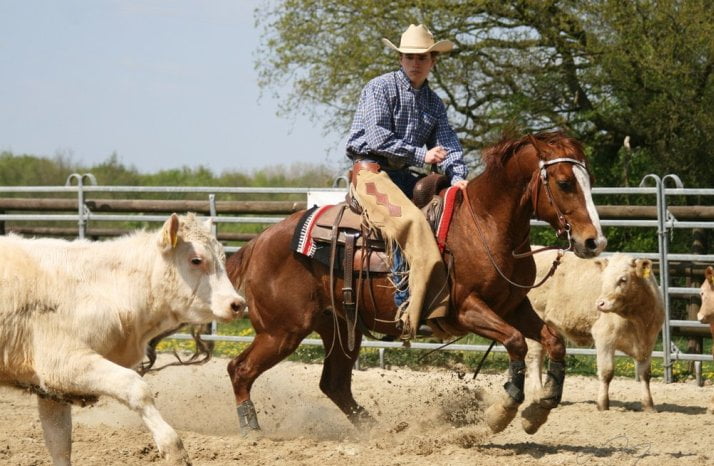
Most people come looking for cutting because they’ve seen a run online, heard it described as “horse versus cow”, and want to know what actually happens in the arena. They’re checking whether it’s a real, regulated sport, how it’s judged, and what sort of horse can do it well. Cutting is brief and intense. In […]
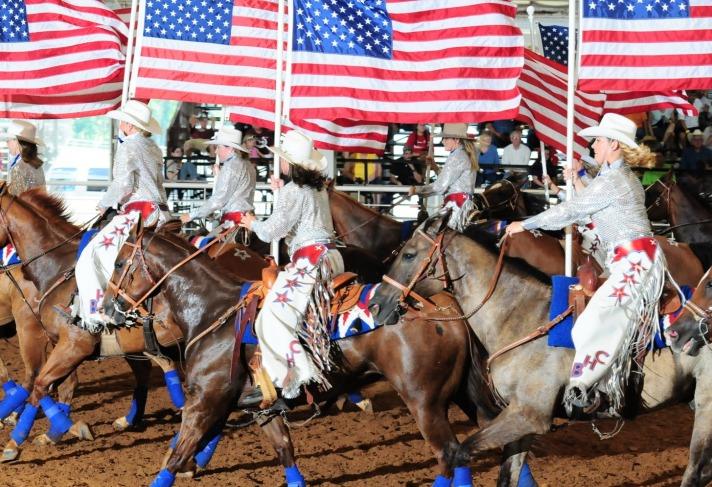
Mounted drill teams sit at an unusual crossroads: part choreography, part horsemanship, part crowd control. People usually find them when they’re weighing up whether it’s safe to join a team, what the riding actually involves, or how competition drill differs from a parade performance. The details matter. A drill run happens close to other horses, […]
People usually look up the Maremmana (more accurately, the Maremmano) when they’re weighing up a hardy riding horse for trekking, stock work, or general saddle use—or when they’ve seen the name online and want to check what’s true. Breed names from the Maremma region are often confused across species (horse, cattle, dog), so a quick […]
People usually look up the Australian Stock Horse when they’re weighing up a new mount for stock work, campdrafting, Pony Club, or long days on the trail—or when they’ve inherited a “stockhorse type” and want to know what that really means. The details matter. A horse bred for balance and stamina is a different proposition […]
People usually look up the Cleveland Bay when they’re trying to confirm the basics before they buy, breed, register, or put a horse into harness: size, colour rules, temperament, and how rare the breed really is. Those details matter, because a Cleveland Bay isn’t just “a bay horse from England” — it’s a tightly defined […]
Most people search for polo when they’re trying to decode what they’re watching: how long a match runs, why players suddenly change direction, what counts as a foul, and why the horses swap so often. Get the basics wrong and the whole thing looks like chaos; get them right and the game starts to read […]
People usually land here while trying to pin down what, exactly, an “Einsiedler” is today, how it differs from the Freiberger (also called the Franches-Montagnes), and whether either is the same thing as a Swiss Warmblood sport horse. The names are often used loosely online, and that can matter when you’re checking a pedigree, shopping […]
People usually start thinking about a horse as a “pet” when they’re weighing up a purchase, a lease, or a move from riding-school life to daily care at home. It’s a practical decision: horses can live for decades, and the routine is steady, weather-dependent, and hard to pause once it begins. What matters most is […]
People usually start searching for the Wielkopolski when they’ve seen “Polish Warmblood” in an ad, a passport, or a competition record and want to know what that actually means in practice: size, temperament, typical strengths, and whether the breed suits sport, pleasure riding, or driving. The name is also a source of confusion. “Wielkopolski” refers […]
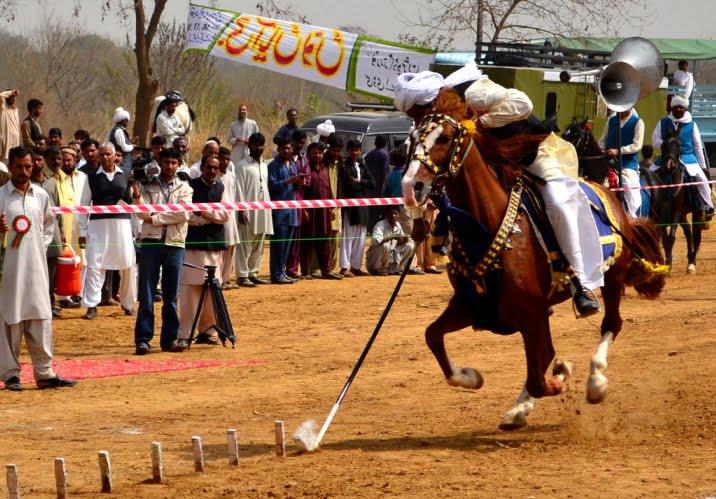
People usually find tent pegging when they’re weighing up a new equestrian discipline: what it involves, how it’s judged, and what’s needed to do it safely. It’s fast, it’s technical, and the difference between a clean run and a dangerous one is often decided well before the horse reaches the lane. Tent pegging sits in […]