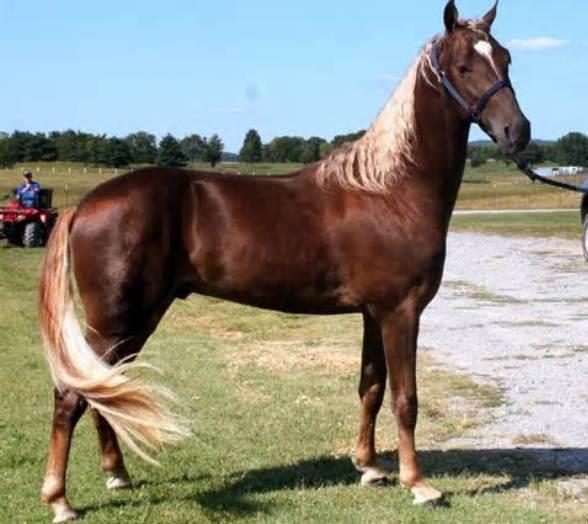
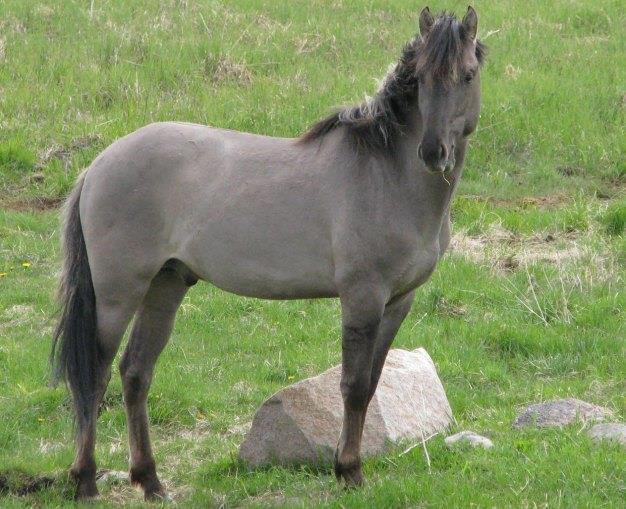
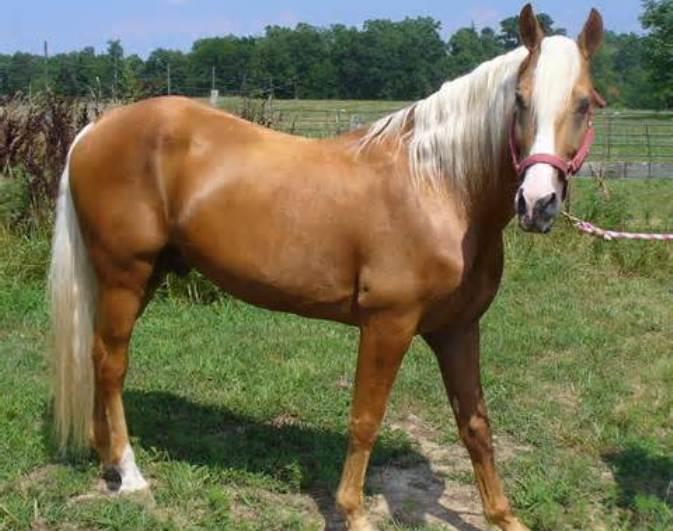
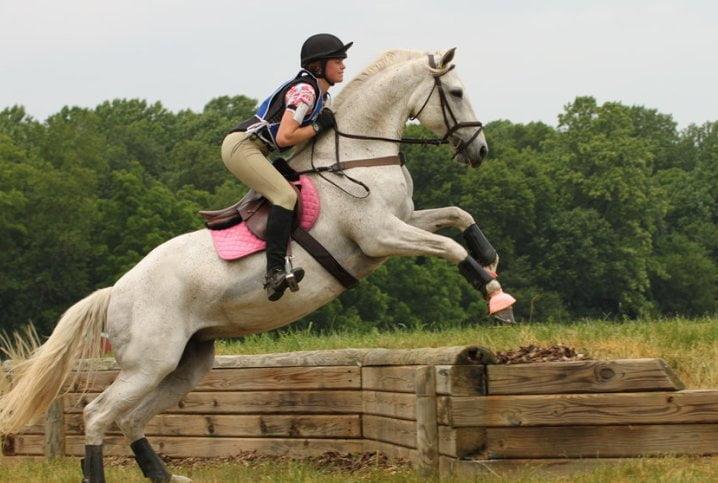
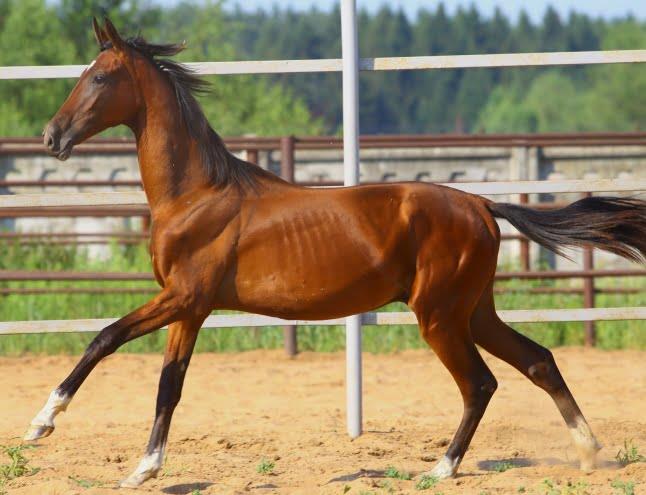
People usually look up the Tennessee Walking Horse when they’re weighing up a gaited mount for trail rides, trying to understand the famous “running walk”, or checking whether the breed’s show-ring controversy affects everyday riding. Comfort matters here. So does welfare. What follows is a clear, grounded profile: where the breed came from, what it […]
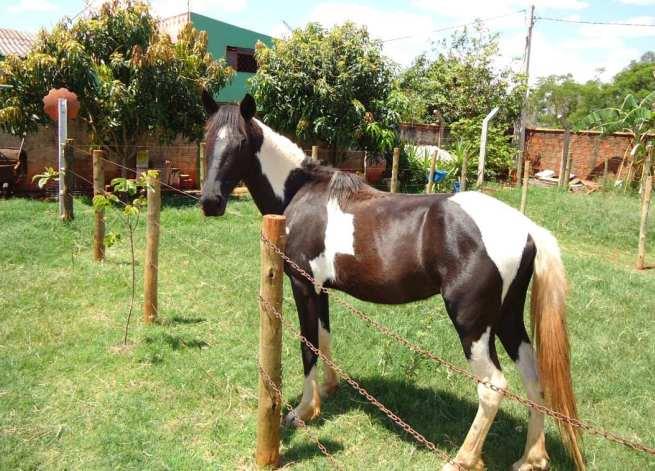
People usually start looking into the Mangalarga when they want a comfortable riding horse for long hours in the saddle, or they’ve heard about the smooth marcha gait and want to know what’s real versus romantic marketing. Breed names in Brazil can be confusing, too: “Mangalarga” and “Mangalarga Marchador” are related, but not the same, […]
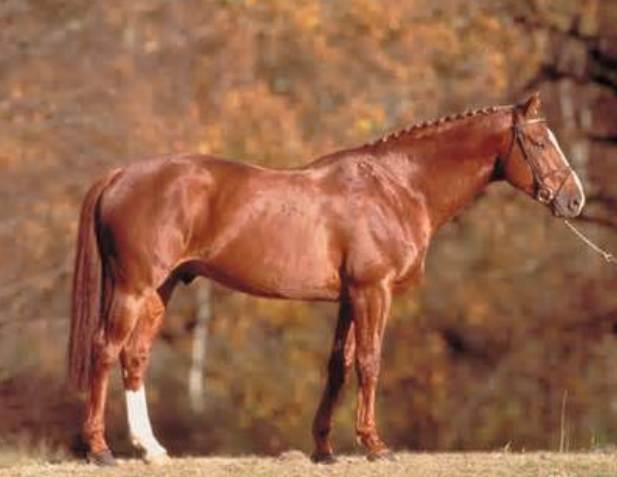
People usually start reading about the Selle Français when they’re weighing up a sport horse for jumping, eventing, or an all-round riding life—and they want to know what’s real versus brochure talk. A horse bred for power and scope can be a joy under saddle, but it also asks for the right training, management, and […]
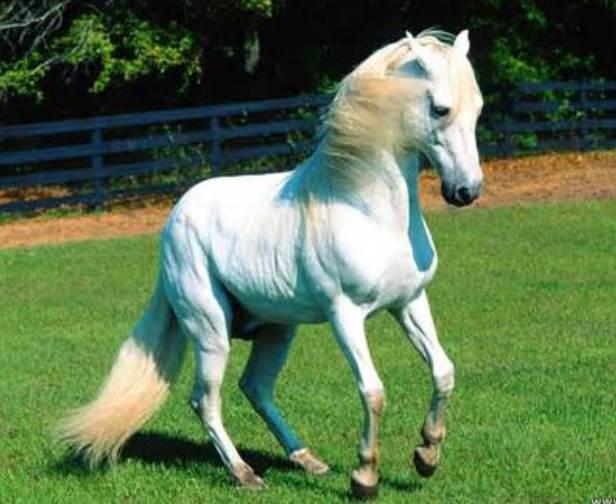
Most people start reading about Paso Finos for one reason: they want a horse that stays comfortable over distance. A smooth, even gait can mean the difference between a long, relaxed ride and a sore back—especially if you’re trail riding, returning to the saddle, or managing old injuries. The Paso Fino is built around that […]
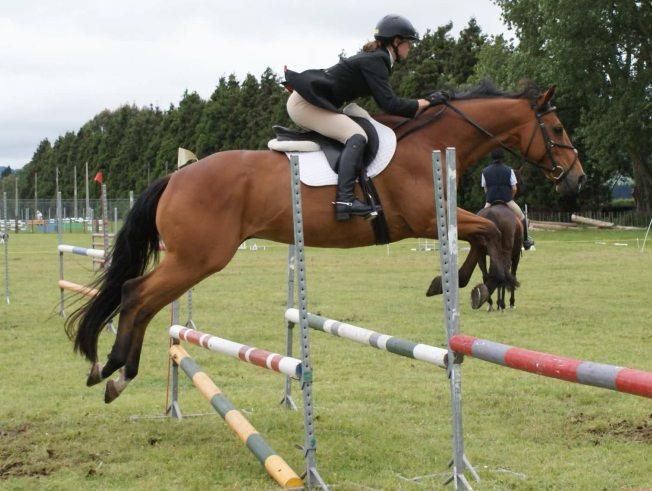
Most people look up horse show jumping when they’re trying to make sense of what they’re watching: what counts as a fault, why some rounds go to a jump-off, and how horse and rider seem to “flow” over a course that changes every class. The details matter. A single rail, a hesitation at a fence, […]
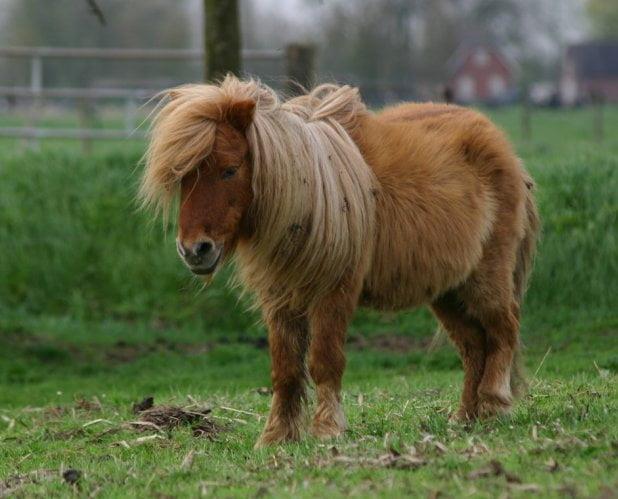
Most people land here because they’re weighing up a pony for children, a small property, driving, or showing—and the two names that keep coming up are Shetland Pony and Highland Pony. They’re both tough, long-lived British native breeds, but they don’t fit the same jobs, budgets, or handling styles. Below is a clear side-by-side guide: […]
People usually look up “American Mustang” when they’re trying to work out what the animal actually is: a distinct horse breed, a wild species, or a type of feral horse managed on public land. The answer matters, because it affects everything from expectations under saddle to the ethics and realities of how these horses are […]
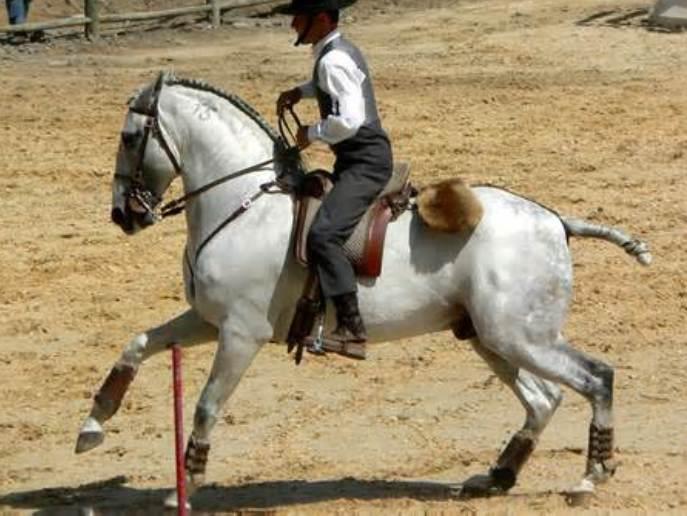
People usually end up looking up the Lusitano when they’re weighing up a horse for dressage or working equitation, checking whether a “baroque” type will suit their riding, or trying to make sense of breed labels on a sale ad. The details matter: registration affects value, suitability, and sometimes what you can compete in. The […]
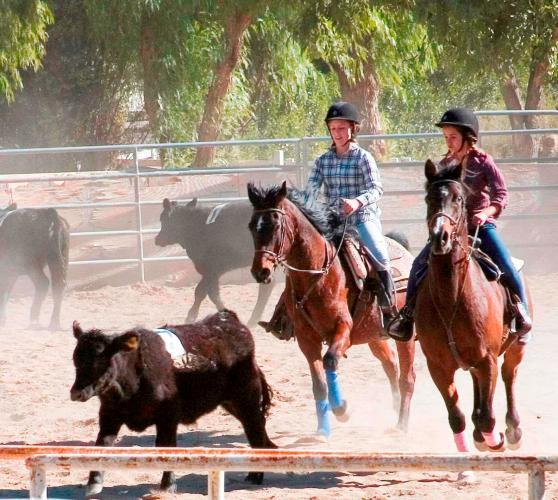
Most people find team penning because they want to know, quickly, what actually happens in the arena: how the run starts, how long you’ve got, what counts as a “no time”, and what gear and skills matter before you pay an entry fee or bring a horse to cattle. It’s a short, sharp sport. Small […]
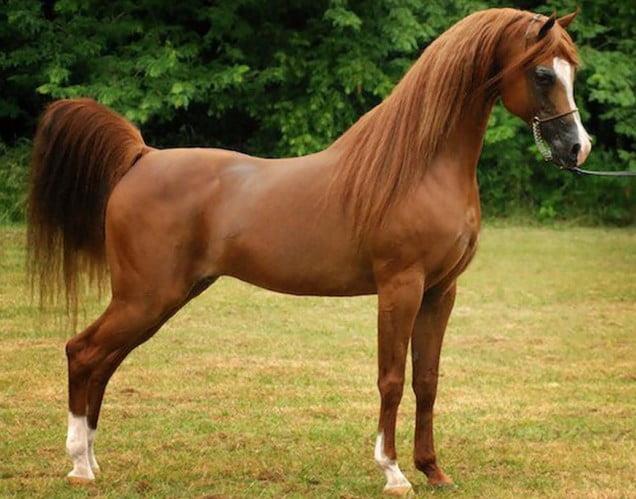
Most people look up Arabian horses when they’re weighing up a purchase, checking a breeder’s claims, or trying to match a horse’s temperament to the work they have in mind. Getting the basics right matters. A breed that’s described as “gentle” can still be sharp, and a horse that looks like an Arabian might not […]
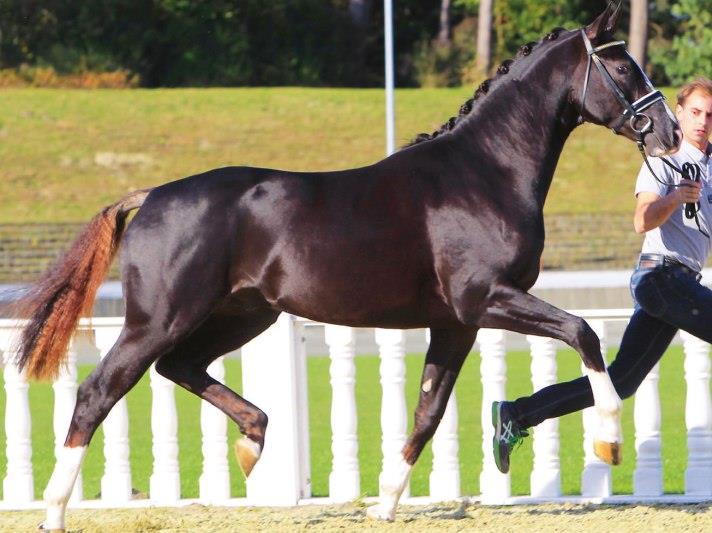
People usually look up Oldenburger horses when they’re weighing up a purchase, checking whether a “big warmblood” will suit their riding, or trying to make sense of breed labels in a sale ad or studbook. The details matter: size, temperament, and soundness all shape what day-to-day ownership feels like, and what the horse is likely […]
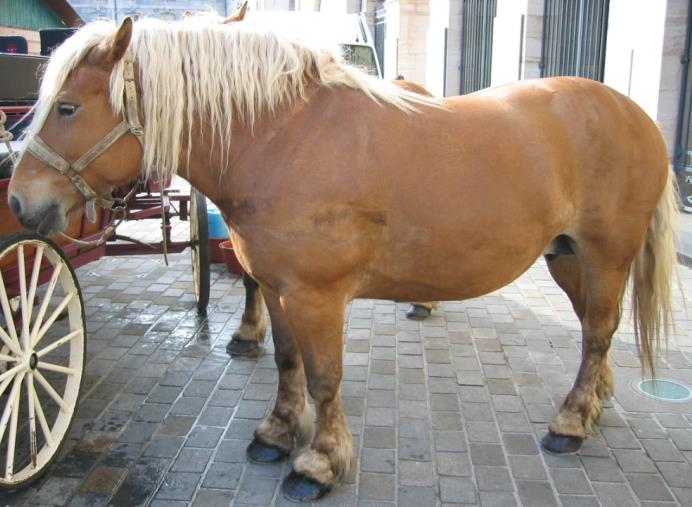
People usually look up the Comtois when they’re trying to identify a solid, mid-sized French draught horse—or decide whether one suits their work, driving, or family riding plans. Size, temperament, and what’s “normal” for the breed matter, because they affect everything from gear fit and handling to daily feeding and long-term soundness. The Comtois is […]
People usually look up Sorraia and Garrano horses for the same reasons: to check what these breeds actually are, how to recognise them, and whether they’re truly rare enough to matter for breeding, import, or conservation decisions. With small populations, a few repeated errors can travel a long way — especially around size, origins, and […]
People usually find the Missouri Fox Trotter when they’re trying to solve a practical riding problem: covering distance without being rattled, staying steady on uneven ground, and finding a horse that remains comfortable to sit as the kilometres add up. The difference often comes down to one thing—gait—and whether it’s naturally smooth or simply trained […]
People usually look up horse eventing when they’re deciding whether to watch it, try it, or buy and train a horse for it. The sport can look simple from the grandstand—three phases, one winner—but the details matter: scoring is by penalties, safety rules are strict, and the cross-country day asks very specific things of a […]
People usually look up the Don Horse when they’re trying to identify a solid, rideable Russian breed they’ve seen listed as “Russian Don”, “Don”, or “Donskaya” — or when they’re checking whether it’s the same thing as the Cleveland Bay (it isn’t). Getting the name wrong can lead you down the wrong track on temperament, […]
People usually look up the Caspian Horse when they’re trying to identify a small horse they’ve seen, check whether it’s a pony breed, or work out if it could suit a child’s riding, driving, or a family property. Size matters here: it affects tack, feed, handling, and—most of all—whether the horse is genuinely a safe, […]
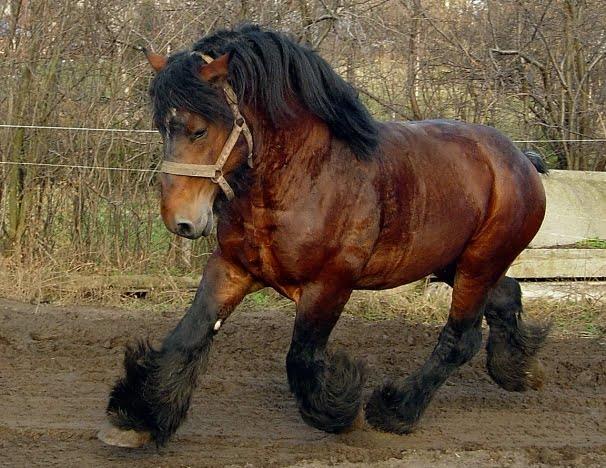
People usually look up the Ardennes Horse when they’re weighing up a calm, heavy type for farm work, forestry, carriage driving, or simply to understand whether this old European draught breed would suit their handling experience and facilities. Size matters here: an Ardennes can be strong enough to shift serious weight, but it also needs […]
People usually start looking up competitive trail riding when they’re weighing up their first event: how it’s judged, what “competitive” actually means, and what’s expected of the horse on the day. The details matter, because this is one of the few riding sports where the finish line doesn’t mean much if the horse doesn’t recover […]
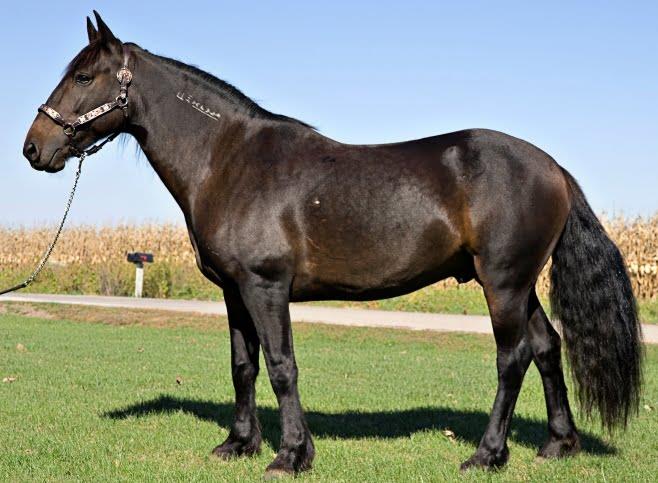
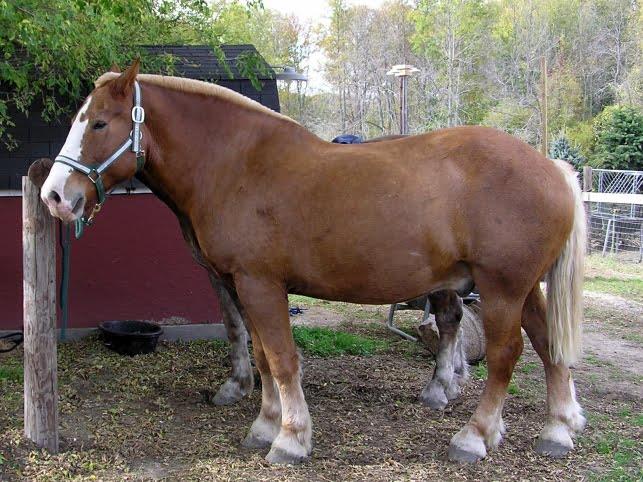
People usually search for the Brabant (Belgian Heavy Draught) when they’re checking whether a huge, calm-looking horse will suit real work—logging, farm pulls, carriage driving—or a quieter life as a steady riding and harness partner. Size matters here. So does temperament. A mismatch can mean costly gear, handling risks, and a horse that struggles under […]