
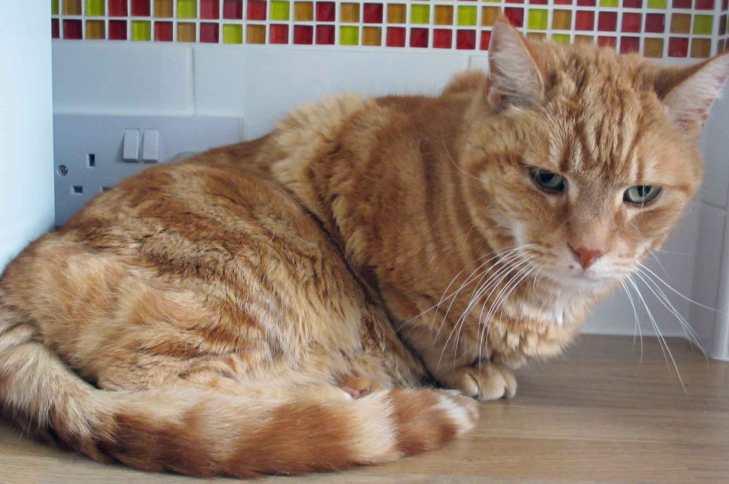
Most people start searching about “caring for an older cat” after a small, quiet shift at home: a once-springy cat hesitates before jumping, sleeps harder, loses weight without trying, or begins yowling at night. In older cats, these changes can be ordinary ageing, but they can also be the first visible edge of pain, dental disease, kidney trouble, thyroid disease, or cognitive decline.
Older cats tend to hide discomfort, so the goal is simple: notice the small signals early, adjust the home to make life easier, and use regular vet checks to catch the common age-related diseases while they’re still manageable.1, 2
Understanding ageing in cats
Ageing is not a single moment. It’s a slow change in how a cat moves, digests food, maintains muscle, and copes with stress. International Cat Care’s life-stage guide is widely used in practice: “mature” is around 7–10 years, “senior” 11–14, and “super senior” 15+.2
What you’ll often notice first is subtle:
- Less jumping or a preference for lower, easier routes.
- Stiffer movement after rest, shorter play bursts, more sleeping.
- Changes in appetite, thirst, or body weight (gain or loss).
- More vocalising, especially at night, or seeming “lost” in familiar rooms.1, 8
Any rapid change, or a change that lasts more than a few days, is worth a vet call. In older cats, “waiting to see” can mean you only meet the problem once it’s advanced.7
Common health issues in senior cats
Some conditions turn up again and again in older cats, partly because they’re common and partly because cats are skilled at masking pain.
Chronic kidney disease (CKD)
CKD becomes more common with age, and early stages can be easy to miss at home. That’s why vets often recommend routine screening (weight trends, urine testing, bloods, and sometimes blood pressure checks) for older cats.7
Hyperthyroidism
Overactive thyroid is a classic older-cat problem. It often shows up as weight loss despite a good appetite, restlessness, increased thirst, and sometimes vomiting or diarrhoea. It’s also linked with high blood pressure, so early diagnosis matters.2
Dental disease
Dental disease is common and can be painful long before a cat stops eating. Watch for bad breath, dropping food, chewing on one side, pawing at the mouth, or a sudden preference for softer food. Dental checks are part of a good senior-health routine.6
Osteoarthritis (arthritis) and chronic pain
Arthritis in cats often looks like “just slowing down”: fewer jumps, reluctance to use stairs, less grooming, or missing the litter tray because getting in and out hurts. There are effective pain-management options, but they start with recognising the pattern.2
Diabetes, heart disease, cancer, and high blood pressure
These are also seen more often as cats age. The signs can be vague—weight changes, reduced stamina, faster breathing at rest, new lumps, appetite shifts—so regular exams and baseline tests become more valuable over time.7
Nutrition and diet for older cats
Older cats don’t all need the same diet. Some gain weight with less movement; others lose weight and muscle even while eating well. A useful rule is to feed the cat you have, not the age on the calendar—using regular weigh-ins and body condition scoring to guide portions.4
Many healthy senior cats benefit from diets that support lean muscle. Current feline life-stage guidance notes that healthy mature/senior cats generally should not be protein-restricted, and that higher protein can help reduce loss of lean body mass with age (unless your vet has diagnosed a condition—such as CKD—where a specific therapeutic diet is needed).4
Practical feeding tips that suit older cats
- Track weight monthly (more often if your cat is losing weight). A steady drift downwards can be an early warning sign.6
- Use small, frequent meals if appetite is variable, and keep food easy to reach (no climbing required).
- Prioritise hydration: offer multiple water stations, consider a fountain if your cat prefers running water, and ask your vet whether wet food would help in your cat’s case.7
- Avoid DIY supplements unless your vet recommends them—older cats are more likely to have hidden disease, and some supplements can complicate care.
Exercise and mobility for senior cats
Senior cats still need movement, but it tends to look like short, gentle bursts rather than long sessions. The aim is to keep joints moving, protect muscle, and prevent boredom without pushing into pain.
- Offer two or three brief play sessions a day (30–90 seconds can be enough), and stop while your cat is still comfortable.
- Choose low-impact games: slow wand toys along the ground, rolling balls, treat puzzles.
- Encourage “easy wins”: stools, steps, or a ramp to favourite perches, so climbing becomes optional rather than required.
If your cat’s mobility changes suddenly, or they start avoiding the litter tray, assume pain until proven otherwise and book a vet visit.2
Grooming and hygiene for ageing cats
As flexibility fades, grooming can become patchy. You may see mats along the back or near the tail, a greasier coat, or dandruff. Gentle brushing helps, but it also works as a quiet daily health check: you’ll feel weight loss, lumps, sore spots, and tenderness earlier.
- Brush little and often, especially in long-haired cats.
- Trim nails as needed—older cats may scratch less and nails can overgrow.
- Watch the mouth: dental pain often shows up as subtle eating changes rather than obvious distress.6
Environmental adaptations for senior cats
An older cat does best in a home that is steady, predictable, and physically forgiving. Small changes reduce strain and prevent accidents.
Make key resources easy to reach
- Litter trays: low-sided entry, placed on the same level where your cat spends most time.
- Food and water: multiple stations, away from noisy appliances and busy walkways.
- Warmth: a soft bed in a draft-free spot; signs of cold-seeking can be more obvious in older cats.
Reduce jumps and slips
- Use steps/ramps to beds, sofas, and window perches.
- Add grip (runners, mats) to slippery floors so stiff hips don’t skid.
Mental stimulation, routine, and cognitive changes
Some older cats develop cognitive dysfunction, with signs such as disorientation, altered sleep–wake cycles, night vocalising, reduced interest in play, and house-soiling. These signs overlap with medical problems (pain, high blood pressure, kidney disease, thyroid disease), so the first step is always a vet assessment rather than assuming it’s “just old age”.1, 8
At home, gentle enrichment helps:
- Keep furniture, litter trays, and bowls in consistent places.
- Offer puzzle feeders or simple “sniff-and-find” games with a few kibbles.
- Give window access (safe, comfortable perch) for quiet watching.
- Use night lights in hallways if your cat seems uncertain after dark.
Parasite control and preventative care
Even older indoor cats can pick up fleas (on people, visitors, or other pets), and intestinal parasites remain a risk depending on lifestyle. Use products recommended by your vet and follow the label directions—older cats may have health conditions that affect what’s appropriate.6
Regular veterinary check-ups: how often, and what to ask for
For mature and senior cats, twice-yearly check-ups are commonly recommended, because a lot can change in six months once cats are older. These visits are also a chance to track trends—weight, muscle condition, dental health, blood pressure—and to discuss whether routine blood and urine tests are sensible for your cat’s age and history.6, 7
Bring a short “at home” log
- Current diet, appetite changes, and water intake (if you can estimate it).
- Weight trend (even a few readings helps).
- Litter habits (volume, frequency, accidents).
- Mobility notes: which jumps they’ve stopped doing, any stiffness after rest.
- Short videos of odd behaviour (night yowling, limping, coughing, wobbliness).
Final thoughts
Older cats don’t usually ask loudly for help. They adjust: a shorter leap, a longer rest, a quieter appetite. Good senior care is mostly observation—tracking small changes, keeping the home easy to move through, and using regular vet checks to catch the common problems early. When you get those settings right, many cats stay steady and comfortable well into their teens.
References
- Cornell University College of Veterinary Medicine (Cornell Feline Health Center): Cognitive Dysfunction
- Vet Times: Diagnosis and management of cognitive dysfunction syndrome (includes International Cat Care age categories and common older-cat conditions)
- American Animal Hospital Association (AAHA): 2023 Senior Care Guidelines (Nutrition)
- AAHA/AAFP Feline Life Stage Guidelines: Nutrition and weight (mature adult and senior cats)
- International Society of Feline Medicine (ISFM): Consensus Guidelines on the Diagnosis and Management of Feline Chronic Kidney Disease (open-access)
- RSPCA Pet Insurance Australia: How often does my cat need to visit the vet?
- ISFM: CKD guidelines (recommends targeted, more frequent assessments for older cats and outlines health-check elements)
- ASPCA: Older Cats with Behavior Problems (age-related cognitive change signs and the need to rule out medical causes)

Veterinary Advisor, Veterinarian London Area, United Kingdom