
People usually search “British Cream Shorthair” when they’ve seen a pale, plush British Shorthair and want to know what that colour means in real breeding terms—and whether it changes temperament, care, or health risks.
In practice, “cream” describes coat colour, not a separate breed. The useful questions are simpler: what a cream British Shorthair should look like, what they’re typically like to live with, and how to keep that compact body in good condition over a long life.
Quick profile (cream British Shorthair)
- Breed: British Shorthair (cream is a recognised colour in many registries)1
- Build: compact, powerfully built; dense “plush” coat1
- Adult size: typically medium to large (varies by sex and lines)1
- Lifespan: commonly into the teens; many sources cite a broad range depending on background and care1
- Temperament: generally easy-going, affectionate in a quiet way, and not usually a high-octane climber1
- Key watch-outs: weight gain if calories outrun activity; dental disease is common in cats generally (not unique to this breed)2, 3
Is a “British Cream Shorthair” a separate breed?
Not usually. In most modern cat registries, “cream” is a colour variety of the British Shorthair, rather than a distinct breed with its own origin story.1
That matters because it clears up two common misconceptions:
- It isn’t a “designer cross” by default. British Shorthairs have a complex breed history that included outcrossing at different times, but a cream British Shorthair today is typically bred within the British Shorthair gene pool under registry rules, not produced by routinely crossing with Persians.1
- Colour doesn’t set temperament. The calm, steady feel people associate with these cats is a breed tendency, shaped heavily by individual personality, upbringing, and environment.1
Appearance: what “cream” looks like on a British Shorthair
British Shorthairs are known for a dense, resilient coat that sits up from the body—more plush than silky—over a broad chest and sturdy frame.1
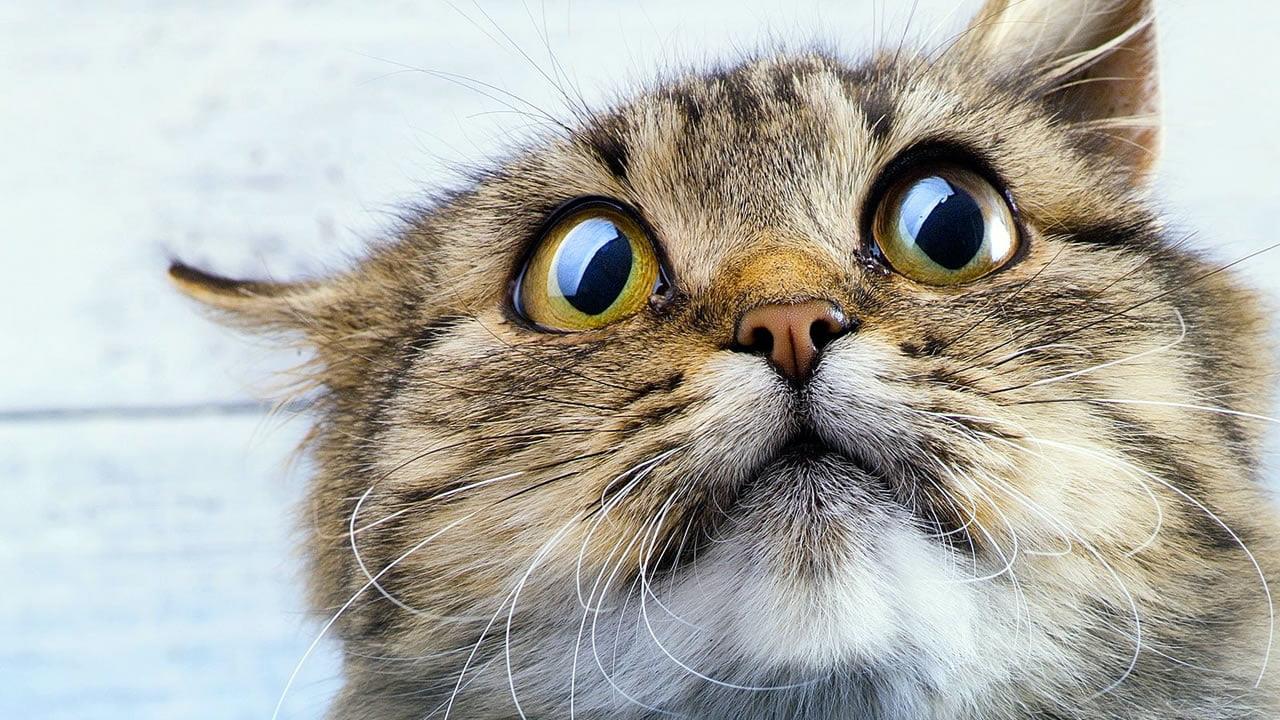
In cream cats, the coat ranges from pale warm biscuit to deeper cream. Eye colour can vary across British Shorthair colours and lines; it isn’t reliably “always copper” for every cream cat, so it’s best to expect variation rather than a single guarantee.1
Temperament: what living with one is usually like
The British Shorthair’s temperament is often described as gentle and reserved at first, then quietly affectionate once settled—more likely to sit close than insist on being carried around.1
Many are tolerant with children and can live well alongside other pets when introductions are slow and supervised, though individual cats differ and not all will enjoy rough handling or constant attention.1
Grooming: low fuss, steady routine
That dense coat doesn’t tend to mat easily, but it does shed. A weekly comb-through removes loose hair and helps you spot skin issues early. During seasonal shedding, a few extra sessions can make a noticeable difference around the house.1
Diet and weight: the main everyday risk
British Shorthairs are built like small tanks—easy to overfeed, and not always motivated to burn it off. A simple way to stay honest is to ask your vet to record a Body Condition Score (BCS) at check-ups, then adjust portions and treats before weight creep becomes obesity.2
- Measure food, don’t free-pour.
- Use puzzle feeders or scatter feeding to slow intake and add mental work.
- Keep treats small and counted into the day’s calories.
Dental care: common cat problem, worth preventing
Dental disease is widespread in pet cats. Home care helps, but it needs to be safe: avoid human toothpaste, and use cat-specific products recommended by veterinary teams.3
If toothbrushing isn’t realistic at first, start with handling training (brief lip lifts, gentle cheek rubs), then build up gradually. Your vet can advise what’s appropriate for your cat and when a professional clean is needed.
Exercise and enrichment: steady, not extreme
British Shorthairs aren’t typically acrobats, but they still need daily play to maintain muscle and help manage weight. Short, frequent games suit them—wand toys, short chases, and “hunt” routines that end with a small measured meal are often effective.1
Some individuals can learn harness walking, but it should be introduced slowly, with calm handling and close supervision, and it won’t suit every cat.
Indoor life and safe outdoor access (Australia)
In Australia, the risks for roaming cats are concrete: cars, fights, parasites, poisoning, snakes, and infectious disease. Containment also reduces wildlife predation.4, 5
Good options include:
- indoor-only living with daily enrichment (climbing, scratching, play, hide spots),
- a secure outdoor enclosure (“catio”) attached to the house,
- or supervised time in an escape-proof yard.4
Breeding and genetics: what’s worth knowing
“Cream” is a dilute expression of red pigment in the coat. It can appear when the relevant genes line up, even if the parents aren’t cream themselves. For pet owners, the practical takeaway is to choose breeders who prioritise health screening, temperament, and sound structure—not just colour.1
Final thoughts
A cream British Shorthair is best thought of as a British Shorthair in a soft, warm coat colour—plush, solid, and usually calm company. Keep the body condition steady, take dental care seriously, and build a contained life with regular play. The rest tends to follow in a quiet, predictable rhythm.
References
- TICA (The International Cat Association) — British Shorthair (breed information and characteristics)
- WSAVA — Global Nutrition Guidelines (including body condition scoring resources)
- RSPCA Pet Insurance (Australia) — Guide to cat dental care
- RSPCA Pet Insurance (Australia) — Why you should keep your cat indoors
- RSPCA WA — A safe cat is a happy cat (cat containment and risks)

Veterinary Advisor, Veterinarian London Area, United Kingdom