
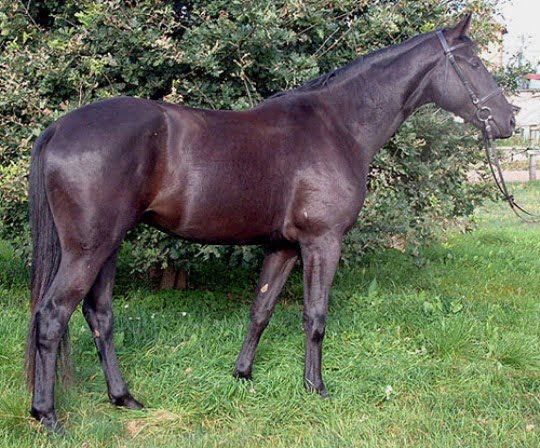
People usually look up the Brandenburg Horse when they’re trying to identify what “Brandenburger” really means, check the breed’s likely size and temperament, or work out whether it suits dressage, jumping, or a general riding life. The details matter: a warmblood bred for sport is a very different proposition from a true draft horse, both in management and in expectations under saddle.
The Brandenburg Horse (more commonly, the Brandenburger) is a German warmblood shaped by centuries of breeding in and around Brandenburg, with modern studbook systems that prioritise athletic performance. The notes below keep the breed’s history straight, describe what you’ll typically see in type and size, and flag common, real-world care considerations.
Quick facts: Brandenburg Horse (Brandenburger)
- Type: German warmblood sport horse (not a Shire; not a draft horse).1
- Origin: Brandenburg, north-eastern Germany, with strong links to the Neustadt (Dosse) state stud established in the late 1700s.1, 2
- Typical height: commonly around 162–177 cm at the withers (about 16–17.1 hands).1
- Common uses: dressage, showjumping, and eventing (three-day event).1
- Colours: solid colours are common, with usual white markings.1
What the Brandenburg Horse is (and what it isn’t)
The Brandenburger is a warmblood sport horse developed and maintained through regional German breeding programs and studbooks. It is not the “Shire Draft Horse” under another name. Shires are a British draft breed with a different history, build, and purpose entirely.
If you’ve seen the term “Brandenburg Horse” used loosely online, it often reflects a mix-up between:
- the Brandenburger warmblood (sport horse), and
- heavier working types historically used in agriculture or military settings (which influenced many European breeding programs, but are not the same as a modern Shire).
History and origin
Horse breeding in Brandenburg has deep roots, and the modern Brandenburger is closely associated with the historic state stud at Neustadt (Dosse), established in 1788 under Prussian administration.1, 2
Like many European warmbloods, the Brandenburger’s “shape” has changed with the job. Earlier horses were valued as military mounts; later, as agriculture mechanised and sport riding rose, breeding emphasis shifted toward movement, jumping ability, soundness, and rideability. In the 20th century—particularly during the East German period—record-keeping and breeding structures changed, and after reunification, the breed’s organisational home was rebuilt through modern associations and studbook frameworks.1
Characteristics and physical appearance
Brandenburger horses are generally bred for performance rather than a fixed “look”. That said, most present as an athletic, medium-to-tall riding horse: long-lined enough to cover ground, solid through the back, with limbs built for repeated loading in training and competition.1
Typical size
Most sources describe a common height range of 162–177 cm at the withers.1 Individual horses can sit outside that span, especially where different bloodlines and sport goals are emphasised.
Coat colours
Solid colours are typical, with ordinary white markings often seen.1
Temperament and trainability
As a type, German warmblood programs aim for horses that are workable: attentive without being brittle, forward without being frantic. But temperament is still individual. Handling, early education, and the fit between rider and horse matter as much as breeding labels.
If you’re assessing a Brandenburger (or any warmblood) as a purchase prospect, it helps to watch how the horse:
- responds to novel stimuli in a calm environment,
- recovers after a startle (how quickly it settles), and
- accepts basic routines—feet, halter, leading, wash bay—without escalating pressure.
Breeding, studbooks, and what “DSP” means
In practice, “Brandenburger” sits within a modern system of German studbooks and performance testing. The Pferdezuchtverband Brandenburg-Anhalt is one of the key breeding associations in the region, involved in studbook administration, recording coverings and foalings, issuing documentation, and collecting performance information for breeding decisions.3
You may also see Brandenburg horses connected with DSP, which refers to the Deutsches Sportpferd (German Sport Horse) studbook framework used across several regional breeding areas.4
Brandenburg horses in sport
The Brandenburger is specifically bred as a sport horse, with common targets including dressage, showjumping, and eventing.1 In the best individuals, you see the same pattern again and again: elastic movement that stays balanced, a careful jump that doesn’t waste effort, and a mind that keeps working as questions get harder.
Health and everyday care considerations
No single breed is “immune” to the basics of horse health. For Brandenburgers—often kept in active work—sound management tends to matter more than breed-specific myths: steady feed routines, plenty of roughage, clean water, regular hoof care, and training loads that build tissues gradually.
Osteochondrosis (OC/OCD) and young-horse soundness
Osteochondrosis is a recognised developmental orthopaedic condition in horses, studied across breeds including warmblood populations. Reported prevalence varies by population, age, and how horses are screened (for example, clinic data versus sales radiographs).5, 6 If you’re buying a young Brandenburger for sport, discuss appropriate imaging and risk factors with your veterinarian, rather than relying on breed generalisations.
Colic risk: the ordinary rules still apply
Colic is a broad term for abdominal pain, and it can affect any horse. Day-to-day prevention is mostly quiet and practical: consistent feeding, plenty of fibre, clean water, and cautious changes to diet and workload. Australian guidance consistently emphasises fresh water access and sensible feeding to maintain condition.7, 8
Feed and water: simple benchmarks
Most adult horses do best when the diet is built around pasture and/or hay, with concentrates used thoughtfully when work and condition demand it. Agriculture Victoria notes general feeding guides by bodyweight and workload, and emphasises regular access to clean water.7 RSPCA guidance similarly stresses continuous access to clean drinking water; a 500 kg horse commonly drinks around 30–50 litres/day, with needs rising in heat and hard work.8
Buying and owning a Brandenburger: quick checks
If you’re looking at a Brandenburg horse in Australia (or importing bloodlines), the strongest approach is the least romantic one: verify identity, assess suitability for your discipline, and spend your money where it reduces risk.
- Paperwork: confirm passport/registration and studbook details through the relevant breeding bodies.3
- Veterinary exam: choose a pre-purchase exam that matches your goals (pleasure versus competition) and consider imaging for young prospects.
- Soundness and feet: look for straight, clean movement on firm ground, and ask for farrier history.
- Training match: a talented horse that overwhelms its rider is rarely a bargain in the long run.
Final thoughts
The Brandenburg Horse—properly, the Brandenburger—is best understood as a modern German warmblood: a sport-focused horse with deep regional roots and a studbook system built around performance. When they’re well bred, well started, and kept with steady, ordinary care, they tend to be the kind of horse that meets work with quiet energy and stays interested as the questions become more precise.
References
- Wikipedia: Brandenburger (horse breed overview, history, height range, uses)
- Wikipedia (DE): Brandenburgisches Haupt- und Landgestüt Neustadt/Dosse (history and establishment period)
- Pferdezuchtverband Brandenburg-Anhalt e.V.: Verband (association tasks and studbook administration)
- Wikipedia (DE): Deutsches Sportpferd (DSP studbook framework overview)
- Equine Veterinary Journal (PubMed): Prevalence and heritability of osteochondrosis in Swedish Warmblood horses
- BMC Veterinary Research (PMC): Heritability and prevalence of osteochondrosis lesions in yearling Thoroughbred horses
- Agriculture Victoria: Basic horse care (feeding and water guidance)
- RSPCA Knowledgebase: How much water does my horse need?

Veterinary Advisor, Veterinarian London Area, United Kingdom