
People usually start searching for the Bichon Frise when they’re weighing up a small dog for a unit, a family home, or a household where someone has allergies. The details matter: coat care is time-consuming, and some “hypoallergenic” claims are overstated.
The Bichon Frise is a compact, white-coated companion breed with a bright, steady presence and a coat that keeps growing. Here’s what their day-to-day needs typically look like, what health issues to watch for, and what to check if you’re choosing a breeder or rescue.1, 2
Breed category: Toys
Country of origin (development): France (Mediterranean roots)2
Typical height: under 30 cm at the withers1
Typical weight: commonly around 3–6 kg (varies by line and condition)2
Typical lifespan: 12+ years (often 12–15 years)2
Grooming: high
Exercise: modest, but daily2
History and origin
The Bichon Frise sits within a family of small white “Bichon” breeds associated with Mediterranean ports and islands. The modern breed was developed in France, with historical links to Tenerife (Canary Islands) and popularity in European courts over the centuries.2
That long companionship role still shows. Bichons tend to track the household’s rhythm closely, preferring to be near their people rather than posted outside as a yard dog.2
Appearance and characteristics
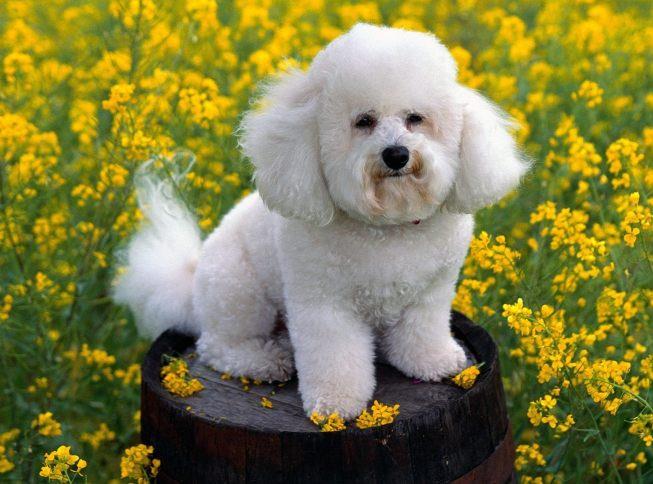
A Bichon Frise is small, sturdy, and softly rounded in outline. The hallmark is the white, curly “powder puff” coat, set off by dark eyes and black pigment on nose and eye rims.1, 2
The coat is not meant to be flat or corded, and in Australia it’s commonly trimmed to show a natural, rounded outline rather than a sharp, sculpted finish.1
Temperament: what they’re like to live with
Bichons are typically lively, friendly companion dogs—alert enough to notice what’s happening, but usually happiest when they’re included rather than “on duty”. They can bark to announce visitors or unfamiliar noises, especially if that habit is accidentally rewarded.2
They often do well with children and other pets when introductions are calm and supervision is sensible. Like most small dogs, they’re best treated as small but capable—handled gently, given routines, and not constantly carried from place to place.2
Exercise and training needs
Despite their size, Bichons aren’t ornamental. They usually need daily walking and play, plus small training sessions to keep their brains busy. Many adult Bichons are satisfied with short daily walks (often around 30 minutes) and a few lively games at home.2
Training works best when it’s light-handed and consistent. Focus early on:
- Calm greetings (so excitement doesn’t become jumping and yapping at the door).
- Loose-lead walking (small dogs can still learn to tow you).
- Being alone in small doses (gradual practice helps reduce separation problems).
- Handling (paws, ears, brushing, teeth) so grooming and vet visits aren’t a wrestling match.
Grooming and everyday care
The Bichon coat sheds little, but that doesn’t mean “low maintenance”. Loose hair tends to stay trapped in the coat, which can quickly turn into mats without frequent brushing and combing. Many owners find daily grooming ideal, with professional clipping on a regular cycle.2
Practical care points that matter:
- Brushing/comb: frequent, methodical work down to the skin helps prevent tight mats (especially behind ears, under the collar, in armpits, and around the groin).
- Clipping: many Bichons need grooming appointments every few weeks to keep the coat comfortable and manageable.2
- Eyes and staining: keep hair out of eyes and ask your vet if there’s persistent tearing—don’t assume it’s “just cosmetic”.
- Dental care: small breeds are prone to dental disease. Daily toothbrushing is widely recommended because it removes plaque (not hardened calculus), and it supports healthier gums over time.6
A note on “hypoallergenic”
Bichons are often described as “hypoallergenic” because they’re low-shedding. In reality, no dog breed is truly non-allergenic; allergens come from dander and saliva as well as hair. If allergies are a concern, spend time with adult Bichons before committing, and consider talking it through with your GP or allergy specialist.5
Health concerns seen in the breed
Every individual dog is different, but Bichon Frise lines are known to have increased risk of some conditions. Commonly discussed issues include patellar luxation (kneecap instability), skin/allergy problems, and eye disease such as cataracts.3
Because dental disease can become a quiet, chronic problem—especially in small dogs—plan for routine veterinary checks and home dental care as part of normal ownership, not an optional extra.6
Bichon Frise as a family pet: quick pros and cons
Pros
- Small and adaptable: often suits unit living if exercise and training are consistent.2
- Typically sociable: many enjoy visitors and family activity when properly socialised.2
- Low-shedding coat: helpful for people who prefer less dog hair around the house (though grooming demand is high).2
Cons
- High grooming workload: regular brushing and frequent professional grooming are part of the deal.2
- Can be vocal: alert barking can become a habit without training and calm routines.2
- May struggle if left alone too much: many do best with company, or with careful alone-time training.
Finding a breeder or rescue: what to check
If you’re buying, avoid impulse decisions and avoid buying sight unseen. A reputable source should welcome questions, show you where puppies were raised, and provide clear records (microchipping, vet care, and what health testing has been done and why it matters).4, 7
Quick checks that protect you (and the dog)
- Meet the puppy where it was raised and, where possible, meet the mother (and see her temperament).4
- Be cautious with online ads and “delivery available”. RSPCA advice is clear: don’t buy a puppy sight unseen.4
- Ask for written proof of any health tests claimed (what was tested, by whom, and the actual results), not vague assurances.7
- Watch for red flags like pressure for a deposit, inconsistent photos, or reluctance to let you visit.7
If you’re open to adoption, contact reputable shelters and breed rescue groups and ask about temperament assessments, grooming history, and any known medical issues. Adult Bichons can be a calmer, more predictable fit for some homes than a puppy.8
Final thoughts
A Bichon Frise suits people who want a small companion dog and don’t mind building daily care into the rhythm of the house: brushing, short walks, training, and the steady upkeep of that white coat. Get those foundations right and a Bichon is often quietly joyous company—bright-eyed, close by, and ready for the next small event in the day.1, 2
References
- Dogs Australia (ANKC) – Bichon Frise breed standard
- The Kennel Club (UK) – Bichon Frise (breed information)
- Purina UK – Bichon Frise (overview and common health issues)
- RSPCA Australia Knowledgebase – How do I avoid supporting puppy farms?
- PEDIGREE UK – Bichon Frise (notes on grooming and allergy claims)
- American Animal Hospital Association (AAHA) – Dental care guidance (home oral hygiene, daily brushing)
- RSPCA Pet Insurance – Tips for safely buying a pet (common scams and red flags)
- ABC News – How to tell if a puppy is from a reputable breeder
- WSAVA – Global Nutrition Guidelines (tools for assessing and selecting diets)

Veterinary Advisor, Veterinarian London Area, United Kingdom