
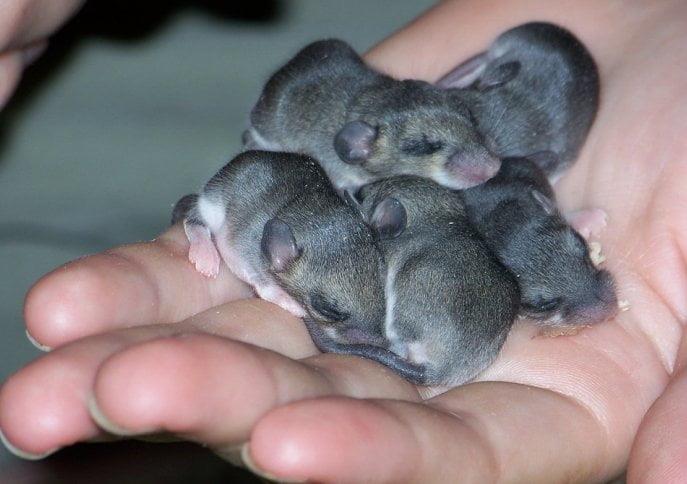
People usually end up searching for baby rat care when a new litter has just been weaned, a pet shop has sold “tiny rats” too early, or a rescue has placed young pups into a first-time home. The next few weeks matter. Diet, warmth, hygiene and handling all shape how well they grow, and how confidently they cope with people and other rats.
Below is a practical care guide for baby rats (pups): what “normal” development looks like, how to set up housing that supports healthy lungs, what to feed once they begin weaning, and the early warning signs that deserve a vet visit.
Understanding baby rats (pups)
Development stages (what changes, and when)
Newborn pups are hairless, with closed eyes and ear canals, and they rely entirely on their mother for warmth and milk. Over the next couple of weeks they gain fur, their ears open, and their eyes open soon after. By around three weeks, most pups are mobile, busy, and sampling solid foods alongside milk. The optimal weaning age is about 21 days, and this is also when you should separate males and females to prevent surprise pregnancies.1
Early handling and social learning
Rats are strongly social animals. When pups are gently handled, spoken to softly, and offered calm, predictable contact, they tend to become easier to examine, easier to transport, and less likely to panic in unfamiliar situations later on. Keep sessions short at first. Let them approach your hands, and use food to create simple, repeatable routines.
Housing and environment
The right cage basics (especially for young rats)
A good rat enclosure is roomy, well ventilated, and easy to clean. For pups, pay attention to bar spacing so they can’t squeeze out, and provide a solid resting area where small feet aren’t forced onto wire. Ventilation matters because ammonia from urine can build quickly and irritate the airways, adding to the risk of respiratory illness.2
Bedding: choose low-dust, avoid aromatic softwoods
Choose bedding that’s absorbent and low-dust (many paper-based products work well). Avoid cedar bedding, and be cautious with untreated softwood shavings, which can release aromatic compounds that irritate airways and can affect animal physiology; this is one reason cedar is widely discouraged in animal housing guidance.3
Temperature, airflow and where to place the cage
Keep the cage in a stable indoor spot: out of direct sun, away from draughts, and away from kitchens or smoky areas. Aim for steady comfort rather than chasing exact numbers. Sudden chills and poor ventilation are a common backdrop to sniffles that don’t resolve.
A safe, stimulating space
Young rats need movement and choice: tunnels, boxes, chew items, climbing options, and places to hide. Rotate items as they lose interest. Provide more than one hide so no pup is forced out by a bolder sibling. Enrichment isn’t decoration; it’s how they practise being rats.
Feeding and nutrition
From milk to solids: what “weaning” looks like
Pups normally begin nibbling solid foods while still nursing, then transition more fully after weaning at around 21 days.1 If you’ve adopted pups right at weaning, keep food simple and consistent for the first week so their gut has time to settle.
What to feed once they’re weaned
For most pet rats, a high-quality complete pellet/lab-style block is the best daily base, with small amounts of suitable fresh foods for variety. This approach helps prevent selective eating that can happen with seed-heavy mixes.4
- Base diet: complete rat pellets/lab blocks.4
- Fresh add-ons (small amounts): leafy greens and other vegetables; some fruits as occasional extras.4
- Water: available at all times (bottle or heavy bowl, cleaned daily).
Foods to avoid (or keep out of reach)
Skip anything that’s clearly unsafe for small animals: alcohol, caffeinated drinks, and chocolate are common examples. Also avoid feeding spoiled food, sticky sweets, and anything that turns the cage into a damp, mould-prone mess.
Health and wellness
Common problems in young rats
In pet rats, respiratory disease is one of the big ongoing concerns. It can be triggered or worsened by stressors like poor ventilation and high ammonia, and by underlying infectious causes. Sneezing, wheezing, and “gasping” are warning signs worth taking seriously.2, 5
Skin parasites (such as mites or lice) can also appear, often showing up as itching, scabs, or patchy hair loss.5
Signs of illness: what to watch for
Seek advice from a rat-savvy vet if you notice any of the following, especially if they persist beyond a day or two:
- Sneezing that escalates, wheezing, noisy breathing, or breathing effort5
- Reddish-brown discharge around the eyes or nose (often called porphyrin staining)5
- Sudden weight loss, refusal to eat, hunched posture, or marked lethargy5
- Intense itching, scabs, or patchy hair loss5
Preventative care that actually helps
Cleanliness is respiratory care. Spot-clean daily, remove wet bedding before it has time to sour, and do a full clean regularly so ammonia doesn’t build up. Keep food dry, and don’t let water bottles drip into bedding. If one pup seems unwell, separate only if needed for safety or feeding support—rats cope better with familiar company when they’re not being bullied.
Socialisation and behaviour
Normal baby rat behaviour
Pups explore in bursts. They wrestle, climb, chew, then pile together to rest. Grooming and huddling are normal social behaviours and help maintain group stability.
Why companionship matters
Rats aren’t solitary pets, even when they’re very bonded to humans. Australian RSPCA guidance is clear that rats need the company of other rats, and are best kept in small groups—usually same-sex to avoid unplanned litters.2, 6
Bonding tips (gentle, repeatable, low-stress)
- Handle little and often: short sessions, many times, ending before they struggle.
- Offer food from your fingers, then from an open palm, then while they stand on your hand.
- Move slowly. Let them hide, then reappear. Don’t drag them out of a safe place.
- Keep voices and movements calm around the cage, especially at dusk and night when they’re most active.
Enrichment and play
Simple enrichment that gets used
Cardboard boxes, paper tubes, shredded paper for nesting, and sturdy chew items cover a lot of needs. Add climbing options, but also provide soft, stable resting spots so pups can choose comfort over height.
Why it matters
Enrichment supports muscle and coordination, reduces boredom, and makes handling easier because the rats are already used to novelty and movement in their environment.
Grooming and maintenance
Grooming: mostly observation
Rats do most of their own grooming. Your job is to notice change: rough coat, scratching, scabs, or porphyrin staining. If a pup is dirty or sticky, use a damp cloth rather than bathing unless a vet advises otherwise.
Cleaning routines (a practical baseline)
- Daily: remove wet bedding, wipe obvious urine corners, clear leftover fresh food.
- Weekly (or as needed): full bedding change, wash shelves/hides, and dry everything before refilling.
Myths and misconceptions
“Rats are dirty”
Pet rats are persistent self-groomers. The smell most people associate with “rats” is more often a housing problem—poor ventilation, damp bedding, and ammonia build-up—than the animals themselves.2
“One rat is fine if it likes humans”
Human attention helps, but it doesn’t replace rat companionship. Guidance from animal welfare organisations emphasises that rats should be kept with other rats, ideally bonded from a young age.2, 6, 7
Final thoughts
Baby rats thrive on three steady things: warmth, clean air, and familiar company. Add a reliable base diet, gentle handling, and a cage that stays dry and interesting, and most pups grow into calm, sturdy adults. When something feels “off”, trust that observation and check in with a vet early—small bodies don’t leave much room for waiting.
References
- RSPCA Knowledgebase — What company do my pet rats need?
- RSPCA Knowledgebase — How should I care for my rats?
- National Research Council (NCBI Bookshelf) — Guide for the Care and Use of Laboratory Animals: Animal Environment, Housing, and Management
- Merck Veterinary Manual (Professional) — Nutrition in Rodents and Lagomorphs
- Merck Veterinary Manual — Common signs of illness in rats (table)
- RSPCA NSW — How to care for your rat
- Humane World for Animals — Is a rat the right pet for you?
- University of Missouri College of Veterinary Medicine — Mycoplasma pulmonis (rats)

Veterinary Advisor, Veterinarian London Area, United Kingdom