
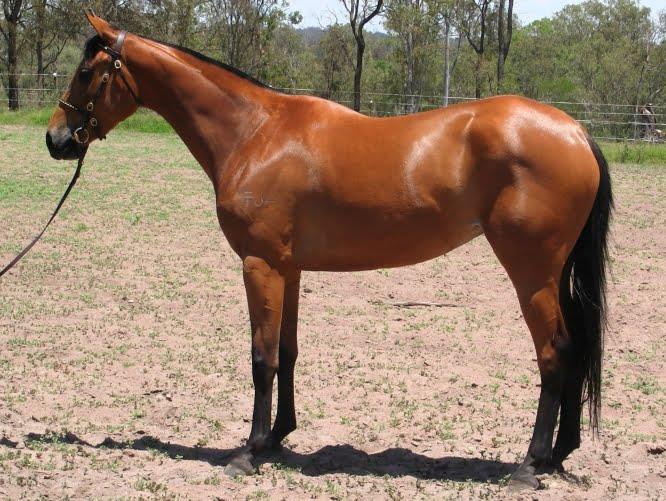
People usually look up the Australian Stock Horse when they’re weighing up a new mount for stock work, campdrafting, Pony Club, or long days on the trail—or when they’ve inherited a “stockhorse type” and want to know what that really means. The details matter. A horse bred for balance and stamina is a different proposition to one bred only for speed or looks.
The Australian Stock Horse is Australia’s purpose-built working horse: medium-sized, tough in the feet, quick across uneven ground, and usually calm enough to think while cattle are moving. Breed history, registration, and good day-to-day care all shape what you’ll see in the paddock and under saddle.
Quick facts (at a glance)
- Origin: Australia
- Typical height: about 14–16.2 hands (roughly 142–168 cm)2
- Colours: a wide range of solid colours are seen (bay/brown, chestnut, black, grey and more)2
- Coat: short, dense coat typical of many working horses (varies with season and management)
- Temperament: generally described as calm, responsive, and trainable, selected for work and rideability2
- Common uses: stock work, campdrafting, polocrosse/polo, endurance, eventing, trail riding1, 2
- Life expectancy: commonly cited around 20–30 years (individuals vary with genetics and care)8
History and origin
The Australian Stock Horse developed as a practical answer to Australian conditions: long distances, hard ground, shifting weather, and cattle that don’t always cooperate. Early “stock horses” weren’t a single neat recipe. They were shaped from the horses available—most notably Thoroughbred and Arabian bloodlines, along with colonial working types—then selected, generation after generation, for soundness, balance, and the ability to travel and work all day.
Formal recognition of the breed arrived in 1971 with the launch of the Australian Stock Horse Society (ASHS). The Society was established in Scone, New South Wales, and a general meeting was called in Tamworth in June 1971 to launch the organisation and formalise registration and standards.1
What an Australian Stock Horse looks like
The classic Australian Stock Horse is medium-sized and athletic rather than bulky: a deep chest for lung room, strong back and hindquarters for pushing off and turning, and clean legs that tend to hold up to daily miles. Many have a plain, sensible head with a steady eye—more “working partner” than ornament.
Heights commonly sit between about 14 and 16.2 hands, and many colours occur across the breed.2
Movement and “feel” under saddle
Where the breed stands out is not a single dramatic feature, but the way the parts work together: a balanced canter, quick footwork, and the ability to shorten and lengthen stride without fuss. In the paddock, that shows up as sure-footed travel over rough ground. In the arena or on cattle, it can look like a smooth change of line and a fast, economical turn.
Temperament and behaviour
Australian Stock Horses are widely described as calm, intelligent, and responsive, with trainability selected in working and competitive settings.2 That doesn’t mean every horse is automatically quiet. Temperament still depends on handling, nutrition, pain (including dental pain), and the job the horse is being asked to do.
Versatility: where the breed is commonly used
The Australian Stock Horse’s reputation comes from range: it can work cattle in the morning and look tidy in a competition ring on the weekend. The ASHS also notes the breed’s success across work and leisure roles, including competition pathways supported by branches and national events.1
- Stock work and mustering: quick turns, steady movement, long hours
- Campdrafting: speed and balance in tight spaces, with repeated bursts of effort
- Endurance and long trail days: efficient movement and stamina
- English disciplines: eventing, showjumping, dressage (often at grassroots to mid-level)
- Polocrosse and polo: agile, forward, and manoeuvrable
Training and handling: what tends to work well
Because the breed is commonly selected for rideability, many Australian Stock Horses respond best to steady, consistent cues and plenty of repetition without drilling. The aim is clarity, not force: calm handling, correct timing, and sessions short enough that the horse finishes with the work still feeling easy.
Good training also leans heavily on routine care. Feet, teeth, and parasite management quietly shape behaviour; a horse that won’t stand, won’t turn, or won’t accept the bit may simply be sore somewhere.
Everyday management that supports training
- Feet: regular farrier care matters. Agriculture Victoria recommends trimming every 6–8 weeks for most horses.3
- Teeth: dental checks at least annually are recommended for paddock-kept horses; young horses and grain-fed horses may need more frequent checks (every 3–6 months).3
- Feeding: base the diet on forage (pasture/hay) and match any concentrates to workload and condition, not habit.
Health considerations (and what’s often behind them)
There isn’t a single “Australian Stock Horse disease” to watch for. Like other breeds, the main risks tend to be the everyday ones: lameness from workload or poor hoof balance, dental problems affecting weight and contact, and colic.
Colic is a broad term for abdominal pain, with many possible causes. Impactions can be linked with coarse feed, insufficient water intake, and even dental issues that stop a horse chewing properly.4
When to treat it as urgent
If a horse shows signs of colic (pawing, repeated lying down/rolling, looking at the flank, no manure, loss of appetite), treat it as time-sensitive. Some causes are medical; others can require emergency surgery.5
Breeding, registration, and the role of the Australian Stock Horse Society
The Australian Stock Horse Society is the breed’s peak body. It was established in 1971, maintains a large registry, and supports branches and national events, with the stated aim of preserving and promoting Australian Stock Horse bloodlines and performance across work and leisure disciplines.1
If you’re buying, breeding, or trying to confirm a horse’s background, registry status and paperwork are worth checking early. It saves confusion later—especially if you want to compete in ASHS pathways or trace bloodlines.
About “famous” Australian Stock Horses
Well-known stock horses do exist, and the breed has a long competitive history, but specific “most famous horse” claims are often repeated without reliable records attached. The most dependable place to start for verified historical recognition is the ASHS Hall of Fame and Society records.6
Future of the breed in Australia and overseas
The breed remains strongly anchored in Australia through work, sport, and an active membership base, while also attracting interest overseas through export and international branches.1 What tends to keep the Australian Stock Horse relevant is the same thing that created it: selection for usefulness—soundness, balance, and an adaptable mind.
Final thoughts
The Australian Stock Horse is best understood in motion: travelling across hard country, turning on cattle, or settling into a long, even rhythm on the track. It’s a breed shaped by practical selection and kept honest by the work it still does. If you choose one, choose with your eyes open—feet, teeth, temperament, and training history—then give it the routine care that lets those strengths show.
References
- Australian Stock Horse Society (ASHS) – About Us
- Australian Stock Horse (overview of breed, history, and typical characteristics)
- Agriculture Victoria – Basic horse care (feet and teeth care guidance)
- Merck Veterinary Manual (Horse Owners) – Colic in horses
- Merck Veterinary Manual (Veterinary) – Overview of colic in horses
- Australian Stock Horse Society (ASHS) – Hall of Fame
- Australian Stock Horse Society – USA Branch
- Australian Stock Horse (life expectancy and general breed summary)

Veterinary Advisor, Veterinarian London Area, United Kingdom