
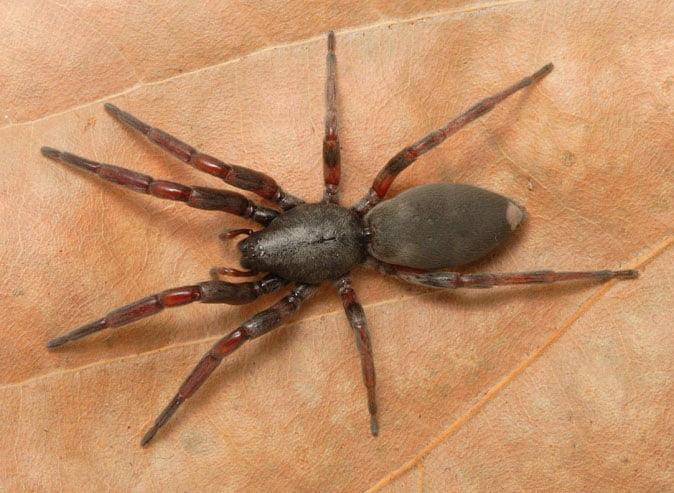
People usually end up here after a close encounter: a huntsman on the wall, a funnel-web on the patio, a “pet shop spider” on offer, or a child asking to keep the one they found in the garden. The decision feels small, but it can carry real consequences—both for safety (some spiders are medically significant) and for legality (wildlife rules vary by state and territory).
Australia has many spiders that can be kept in captivity under the right conditions, but there isn’t one single “Australian pet spider” with a standard size, web type, temperament, or care sheet. The safest approach is to identify the spider first, then match housing, feeding, and handling to that species—and check your local wildlife rules before you acquire one.
First, a quick correction: there is no single “Australian pet spider” profile
The fact box at the top mixes traits from different groups. For example, “funnel-shaped webs” suggests funnel-web spiders, but the listed “generally shy” temperament, “urban areas” habitat, and “not prone to biting” language later in the article are often used for huntsman spiders—two very different kinds of spider with very different risk profiles.
If you don’t know the species, assume you don’t know the risk. For medically significant bites in Australia, funnel-web and mouse spiders are treated differently to most other spider bites, including redbacks. 1, 2
Which spiders are commonly kept in Australia?
People keep spiders for different reasons—observation, education, or because they’re simply beautiful animals to watch at night. In practice, “pet spider” in Australia usually means a captive animal kept in a secure enclosure, not a spider roaming the house.
Commonly encountered groups (and why identification matters):
- Huntsman spiders: often found in homes; generally not regarded as medically dangerous, but they can bite if handled roughly or trapped. Identification still matters because not every large brown spider is a huntsman.
- Trapdoor spiders: burrow-dwellers; usually kept by people interested in naturalistic setups and long-term observation.
- Funnel-web and mouse spiders: not recommended as pets for most households due to the medical risk and first-aid implications if a bite occurs. 2, 3
Legality: what you can keep depends on where you live
Wildlife laws are state- and territory-based. Some places require a permit to keep spiders, and there are often strict rules about taking animals from the wild, keeping proof of purchase, and moving animals across borders. 4, 5
Northern Territory (NT)
In the NT, spiders are protected and you generally need a permit to keep a spider. The NT government also notes you should keep proof of purchase, and that you must not remove threatened spiders from the wild. 4
Queensland (QLD)
Queensland’s rules are more nuanced: the government publishes “exempt species/class” information indicating many invertebrates can be exempt from requiring a licence, with specific exceptions (including some scorpions and tarantulas). The same pages also emphasise that exemptions don’t automatically apply to taking animals from the wild. 6
If you’re unsure, check the current Queensland guidance for keeping native animals and the licence types that apply. 7
New South Wales (NSW)
NSW wildlife licensing information is set up around native animals kept as pets under the Biodiversity Conservation Act framework. The NSW government also makes a clear general point: native animals kept as pets should be captive-bred, and not taken from the wild. 5
Moving spiders into or out of Australia
At a federal level, Australia’s biosecurity settings are strict. The Department of Agriculture, Fisheries and Forestry states that importing spiders (and many other invertebrates) as pets is not permitted. 8
If you’re leaving Australia permanently, export rules can apply, and the federal environment department notes spiders can be exported as household pets only when sourced from an approved source and with an export permit. 9
Housing: build for escape prevention first
A spider enclosure should be secure, ventilated, and hard to escape from. Many spiders can climb smooth surfaces and squeeze through gaps that look impossible until you find an empty tank at 2 am.
Good baseline housing principles (then fine-tune to the species):
- Secure lid with ventilation that can’t be pushed open.
- Stable placement out of direct sun and away from overheating. 4
- Simple furnishings that suit the spider’s lifestyle (leaf litter and hides for ground species; vertical texture and shelters for climbers).
- Minimal disturbance. Spiders don’t need daily handling to thrive, and many do better when left to settle.
Feeding and water: small prey, steady rhythm
Most pet spiders eat insects. Many species do well on appropriately sized crickets, moths, flies, and similar prey, offered once or twice a week depending on the spider’s size and season. 4
If you collect feeder insects yourself, avoid anything that may have been exposed to insecticides. 4
For water, a shallow dish (even a bottle cap) can be enough for many spiders, as long as it’s kept clean and topped up. Some keepers also provide moisture in controlled ways depending on the species’ needs. 4
Handling: low contact is safer for you and the spider
Even “docile” spiders can bite if pinned, squeezed, startled, or handled during feeding and cleaning. If you must move a spider, use tools and calm technique rather than bare hands: a container, a soft brush, and slow movements.
Watch for signs of stress or defensive behaviour (rapid movement, raised front legs, striking posture), and stop before the situation escalates. 4
Bites and first aid (Australia)
Most spider bites are minor, but Australia has a small number of spiders where envenomation can be serious. The key point is that first aid differs by spider type.
Funnel-web or mouse spider bites
Use pressure immobilisation and call emergency services. Australian first-aid guidance (including healthdirect and Queensland Health) supports pressure immobilisation for funnel-web and mouse spider bites. 1, 2
Redback spider bites
Do not use pressure immobilisation for suspected redback bites. Treat pain, monitor symptoms, and seek medical advice if symptoms spread or you’re concerned. 1
All other suspected spider bites
Wash the area, use cold packs for pain and swelling, and seek medical care if symptoms worsen, the person becomes unwell, or the bite is to a child or vulnerable person. 1
Health concerns for the spider (and for your household)
Most problems in captive spiders come from the slow drift of husbandry: overheating in sun, dehydration, mouldy substrate, mites from feeder insects, or an enclosure that isn’t quite escape-proof.
Plan for:
- Temperature safety: avoid heat spikes from windowsills and cars.
- Clean feeding: remove uneaten prey so it doesn’t stress or injure the spider.
- Hygiene: keep water fresh; spot-clean rather than constantly dismantling the enclosure.
- Household risk: keep enclosures out of reach of small children, and away from curious pets.
Choosing a pet spider responsibly
- Identify the species first. Don’t rely on colour, size, or a label like “house spider”.
- Prefer captive-bred or legally sourced animals, and keep paperwork where it’s required. 4, 5
- Avoid medically significant species unless you have specialist experience, secure housing, and a clear first-aid plan. 1, 2
- Check your state or territory rules before you buy, sell, or transport a spider across borders. 4, 5, 6
Final thoughts
Australian spiders can be absorbing animals to keep—quiet, precise, and surprisingly varied once you stop thinking of them as one category. The best care starts with one unglamorous step: correct identification. From there, legality, enclosure design, feeding, and first aid all become clearer—and the spider’s world becomes safer, too.
References
- healthdirect — Spider bites: symptoms, treatment and first aid
- Queensland Government — Bites and stings (first aid, including funnel-web and redback)
- Ausmed — Pressure immobilisation technique and when to use it (cites ANZCOR guidance)
- Northern Territory Government — Keeping spiders as pets
- NSW Environment — Native animals as pets (licensing and captive-bred emphasis)
- Queensland Government — Exempt, prohibited and species class listings (invertebrates and exemptions)
- Queensland Government — Licences to keep, use or display native animals
- Department of Agriculture, Fisheries and Forestry — Unique or exotic pets (biosecurity; invertebrates including spiders)
- DCCEEW — Household pets and export permits (includes spiders from approved sources)

Veterinary Advisor, Veterinarian London Area, United Kingdom