
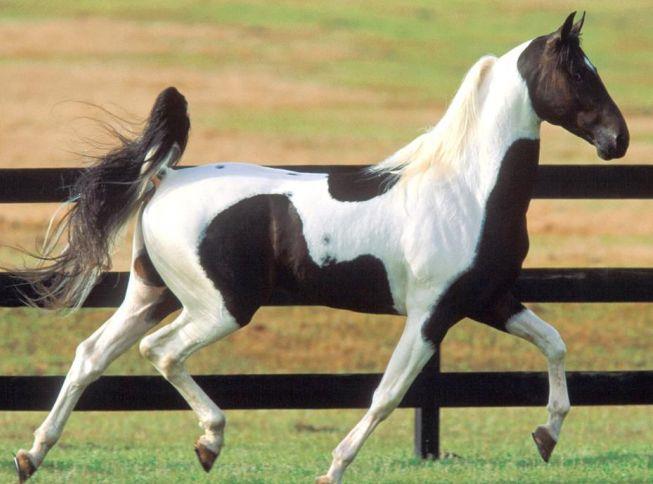
People usually look up the American Saddlebred when they’re trying to identify a horse they’ve met at a show barn, compare breeds for riding or driving, or sanity-check the basics before buying, leasing, or starting lessons. A few details matter more than they first appear—height and weight affect tack fit and handling, and the breed’s distinctive way of going shapes what it’s like to ride, train, and manage day to day.
Below is a clear, practical profile of the American Saddlebred: what it looks like, how it moves, where it tends to thrive, and what sensible care looks like for a light performance horse.
Quick facts: American Saddlebred
- Height: typically 15.1–16.3 hands (about 155–170 cm)1, 2
- Weight: roughly 450–550 kg (about 1,000–1,200 lb)1, 2
- Colours: any colour is acceptable; commonly chestnut, bay, brown, black and grey (pinto patterns also occur)1
- Temperament (typical): alert, trainable, generally kind and people-oriented when well handled and regularly worked1
- Common uses: saddle seat, show classes (three-gaited and five-gaited), driving, pleasure riding, and a wide range of other disciplines depending on training1
- Life expectancy: often around 25–30 years with good care (varies with workload, management, and individual health)
What makes an American Saddlebred distinctive
The Saddlebred is built to look “up” without looking heavy: a long, arched neck; defined withers; a relatively short, strong back; and a high-carried tail. In motion, the impression is animated and balanced rather than flat and ground-covering. That outline—neck lifted, shoulder free, hindquarters engaged—is part conformation and part training, and it’s why the breed has long been associated with show presentation.1, 2
Gaits: three-gaited and five-gaited horses
All Saddlebreds perform the three standard gaits: walk, trot, and canter. Some individuals are trained for two additional four-beat gaits for the five-gaited division: the slow gait and the rack. Both are four-beat, with each hoof landing separately, but they differ in rhythm and expression when correctly trained and judged.1
History and origin (brief, practical version)
The American Saddlebred developed in the United States from earlier riding horses valued for comfortable gaits, stamina, and style. The breed’s ancestry is commonly described as including the Narragansett Pacer and other American riding types, with influence from breeds such as the Morgan and Thoroughbred as the type was refined—particularly in Kentucky—into the modern show and saddle horse.2, 3
Where you’ll typically see the breed
Most American Saddlebreds live in the same places as other riding horses: private properties, agistment, and competition stables with regular handling. You’re most likely to encounter them in saddle seat programs and breed or open shows, but they also appear in driving and in a range of general riding homes where an upright, responsive horse is appreciated.1
Training and riding: what tends to work well
Saddlebreds usually respond best to steady, clear cues and a consistent routine. They’re often described as willing and quick to learn, but that sensitivity cuts both ways: rushed training, discomfort, or confusing aids can show up quickly as tension, hollowing, or resistance.
- Start with basics that stay boring: rhythm at walk and trot, balanced transitions, straightness, and calm standing.
- Build strength slowly: the upright frame people like in the show ring depends on core strength and correct engagement, not just rein contact.
- Protect the mouth and back: regular dental care and well-fitted tack matter; an expressive mover can also be a horse that tells you when something pinches.
- Keep it varied: hacking out, poles, gentle hills, and short schooling sessions often keep the horse looser and more honest than drilling.
Disciplines and uses
In breed and open competition you’ll see American Saddlebreds in saddle seat divisions (including three-gaited and five-gaited classes), fine harness, and other show-ring categories. Outside that world, many go happily in hunt seat, western, trail, combined driving, and even endurance or jumping at appropriate levels—more a reflection of the individual horse and its training than a hard limit of the breed.1
Health and care considerations
There’s no single “Saddlebred-only” health problem that defines the breed. In practice, their care looks like sensible horse management: good forage, steady workload, hoof care, parasite control, and prompt attention to early signs of illness.
Nutrition (keep it simple and consistent)
Most Saddlebreds do best with a forage-first diet (good-quality hay and/or pasture) and concentrates only as needed for body condition and workload. Sudden feed changes—especially rapid increases in grain or rich feed—can increase digestive upset risk. If a horse is in heavy work, adjust slowly and with your vet or equine nutritionist’s guidance.
Hooves and soundness
Regular trimming (and shoeing where required by workload and footing) helps protect gait quality and long-term soundness. A “flashy” way of going can hide early discomfort until it becomes obvious, so small changes—shorter stride, reluctance to pick up a lead, unevenness on turns—are worth checking sooner rather than later.
Colic: a common concern for all horses
Colic isn’t a single disease; it’s a broad term for abdominal pain, and it can range from mild to life-threatening. Common warning signs include repeated pawing, looking at the flank, kicking at the belly, rolling, sweating, reduced appetite, and fewer droppings. Any suspected colic is a “call the vet” situation, even if the horse seems to settle.4, 5
Famous Saddlebreds (with a note of care)
If you spend time around the breed, certain names come up again and again—champion show horses whose movement set a standard in their era. A well-known example is Wing Commander, a five-gaited Saddlebred noted for winning multiple Five-Gaited World’s Grand Championships.6
Public lists of “famous” horses can be inconsistent, and show records are best confirmed through official competition archives or breed organisation publications when accuracy matters for research or breeding decisions.
Final thoughts
The American Saddlebred is, at heart, a light riding and driving horse shaped for balance, animation, and presence. For the everyday owner, that translates into a horse that often enjoys regular work, learns quickly, and rewards careful handling—provided its basics are looked after: feet, teeth, saddle fit, forage, and a calm, consistent training rhythm.
References
- American Saddlebred Horse and Breeders Association (ASHBA) — Breed Information
- Encyclopaedia Britannica — American Saddlebred horse
- Wikipedia — American Saddlebred
- Merck Veterinary Manual (Horse Owners) — Colic in Horses
- Merck Veterinary Manual (Professional) — Overview of Colic in Horses
- Wikipedia — Wing Commander (horse)

Veterinary Advisor, Veterinarian London Area, United Kingdom