
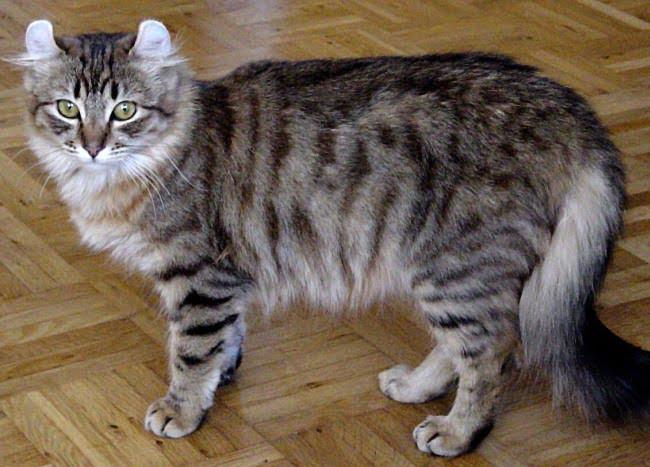
People usually end up searching “American Curl cat” when they’ve seen those swept-back ears and want to check what’s normal, what needs special care, and whether the breed is a sensible fit for home life. The details matter: the ears are delicate cartilage, the coat can be deceptively low-maintenance, and “healthy breed” still means planning for routine vet care and weight control.
Below is a clear field guide to the American Curl: where the breed came from, what the curled ears actually are (and aren’t), what day-to-day care looks like, and the few health points worth keeping on your radar.1, 2
Quick facts: American Curl
- Country of origin: United States (California)
- Also known as: Curl, American Curl
- Coat: Shorthair or longhair; many colours and patterns accepted1, 2
- Adult size: Females about 5–8 lb (2.3–3.6 kg); males about 7–10 lb (3.2–4.5 kg)1, 2
- Typical life expectancy: Often cited around 10–20 years (individual variation is normal)2
- Best suited to: Homes that enjoy an interactive, people-oriented cat and can provide daily play, climbing space, and gentle ear handling1, 2
Origin and history
The American Curl’s story begins with a stray black kitten found in Southern California in 1981. She was named Shulamith, and her kittens showed the same backward-curling ears, revealing a naturally occurring mutation that breeders later developed into a recognised breed.1, 2
In the cat fancy, the breed is recognised by major registries including The International Cat Association (TICA) and the Cat Fanciers’ Association (CFA), with both longhair and shorthair varieties accepted.1, 2
Physical characteristics
The curled ears (what makes the breed)
The signature feature is the ear shape: the ears curl out and back in a smooth arc. The degree of curl varies between individual cats, even within the breed standard.1, 2
Kittens are born with straight ears. The curl begins a few days after birth and settles into its final form at around 16 weeks (about four months).2
Handling note: the curl is cartilage. Ears should never be forced forward or “straightened” for a look; rough handling can injure the ear.2
Body and coat
American Curls are small-to-medium cats with a balanced, moderately muscled build. Their coats can be short or long, and registries allow a wide range of colours and patterns.1, 2
Personality and temperament
Most American Curls are described by breed registries as affectionate, curious, and people-focused. They tend to stay interested in what’s happening around the house—more “present” than clingy—and many enjoy games and daily interaction well into adulthood.1, 2
As with any breed, individual temperament varies. Early socialisation, gentle handling, and a predictable home routine shape the adult cat more than any single label on a breed page.
Grooming and care
Coat care
Coat care is usually straightforward. A weekly brush is enough for many Curls, with longhairs often needing a little more attention during seasonal shedding. The goal is simple: prevent mats, reduce hairballs, and keep skin healthy.
Ear care (do it gently)
The ear shape can make routine checks worthwhile. Look for redness, discharge, odour, or persistent scratching, and see your vet if you notice changes. When cleaning is needed, use a vet-recommended ear cleaner and follow professional advice on technique—avoid pushing anything into the ear canal.7
Nails, teeth, and the everyday basics
Trim nails as needed (often every couple of weeks, depending on the cat and scratching options). Dental care matters for all cats: regular toothbrushing and vet dental checks help reduce dental disease over a lifetime.6
Health considerations
American Curls are generally considered a healthy breed in registry descriptions, but “healthy” doesn’t mean “no health issues”. Plan for routine prevention, regular vet visits, and a watchful eye on ears and weight.2
Ear problems
Any cat can develop ear disease. With Curls, the practical point is vigilance: because the ears are a defining feature, owners tend to handle them more and notice issues earlier. Keep checks calm and gentle, and get veterinary advice promptly if irritation is present.7
Heart disease (HCM) as a general feline risk
Hypertrophic cardiomyopathy (HCM) is the most common heart disease in cats overall. It can be silent for a long time, which is why routine veterinary exams matter even when a cat seems perfectly well.3
Weight gain
Indoor cats can gain weight quietly. If your Curl is food-motivated, use measured meals, keep treats small, and ask your vet to show you how to assess body condition. International guidelines use body condition scoring to help owners and vets spot early weight creep before it becomes a health problem.5
Training and exercise
American Curls are typically playful and enjoy daily activity. Think in small bursts: short wand-toy sessions, puzzle feeders, and climbing options (cat trees, shelves, stable perches). TICA notes they benefit from daily exercise and indoor perches for climbing and jumping.2
If you want safe outdoor time, consider a fully enclosed cat run or supervised harness time. Australian animal welfare advice highlights the risks of free roaming and recommends contained outdoor access where possible.4
Breed standards and recognition
The American Curl is recognised by major cat registries, including CFA and TICA, which publish breed standards covering ear curl, body type, and coat varieties.1, 2
If you’re choosing a breeder, registry recognition isn’t a guarantee of good practice, but it does give you a starting point for what “American Curl” means in an official sense and what ethical breeding should aim to preserve.
Finding and choosing an American Curl
Breeder or adoption?
American Curls can be uncommon in shelters, but it’s still worth checking breed-specific rescue networks and local pounds. If you go through a breeder, look for someone who:
- lets you meet the kitten with its mother (or shows clear, sensible husbandry if that’s not possible)
- handles kittens gently and regularly (calm socialisation, not constant stimulation)
- talks plainly about health screening and offers ongoing support
- never encourages rough ear handling or “showing off” the curl by bending the ears
Practical checks before you bring a cat home (Australia)
- Microchipping and paperwork: requirements vary by state and territory. For example, NSW requires cats and dogs to be microchipped before being sold or given away, or by 12 weeks of age, and the owner details must be recorded by an authorised identifier.8
- Containment plan: decide early whether your cat will be fully indoors or have access to a secure enclosure; unrestricted roaming carries real risks for cats and wildlife.4
Final thoughts
The American Curl is, first and last, a cat shaped by a small genetic twist: ears that curl back like wind-touched leaves. The rest of the animal is more familiar—curious, athletic in short bursts, and often happiest where people are. Treat the ears with care, keep the body lean, and you’ll usually find the breed settles into home life with a quiet, persistent presence.1, 2
References
- Cat Fanciers’ Association (CFA) – American Curl (breed information and standard)
- The International Cat Association (TICA) – American Curl (breed profile and breed standard)
- Merck Veterinary Manual – Hypertrophic cardiomyopathy in cats
- RSPCA Pet Insurance (Australia) – Why you should keep your cat indoors
- World Small Animal Veterinary Association (WSAVA) – Global Nutrition Guidelines (includes body condition scoring guidance)
- RSPCA Knowledgebase – How should I care for my cat’s teeth?
- RSPCA Knowledgebase – How do I clean my cat’s ears?
- NSW Office of Local Government – Microchipping requirements
- Western Australia DLGSC – Microchipping requirements (Cats and Dogs)

Veterinary Advisor, Veterinarian London Area, United Kingdom