
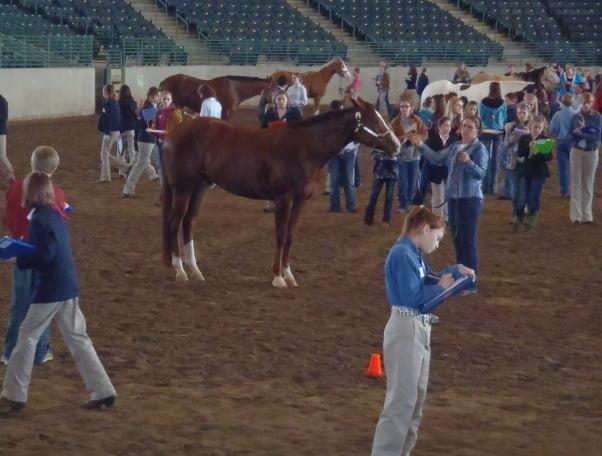
People usually go looking for a “4‑H horse program” because they want something structured and well supervised: a place for young riders to learn safe horse handling, improve their riding, and step into shows or skill certificates without guesswork.
In Australia, though, most horse education for young people doesn’t run through 4‑H. 4‑H is a United States youth development program delivered through the Cooperative Extension system, while Australia’s closest mainstream equivalent for youth horsemanship is Pony Club, which offers progressive instruction, rallies, certificates, and a broad range of mounted activities.1, 2, 3
What 4‑H is (and where the horse program sits)
4‑H is a long-running youth development program administered in the United States through the land‑grant university Cooperative Extension system, supported nationally by the US Department of Agriculture’s National Institute of Food and Agriculture (USDA NIFA).1
The horse project is one of many “project areas” 4‑H members can choose. Like other 4‑H projects, it’s designed around hands‑on learning over time, guided by trained adults and local rules set by each state or county Extension program.1
Is there a 4‑H Horse Program in Australia?
Not in the same national, standardised way the term usually implies. In Australia, “4‑H horse program” is often used loosely online, but 4‑H itself is primarily a US program run through US Extension services.1
If you’re in Australia and looking for the closest practical equivalent—regular instruction, safety rules, progressive education, camps, and competitions—Pony Club Australia is typically the place to start.2
The closest Australian equivalent: Pony Club pathways
Pony Club Australia runs an education pathway built around a syllabus and proficiency certificates, supported by local clubs and accredited riding centres. You can join with your own horse, or in many areas through a centre membership riding trained school horses (eligibility varies by state and centre).2
Membership categories and what’s offered depend on your state association and local club, but commonly include junior and associate age groups, along with adult riding memberships in some states and clubs.2, 4
What young riders actually learn in a horse project
Whether it’s a US 4‑H horse project or an Australian Pony Club program, the core learning is much the same: steady, practical competence around a large animal that can be calm one moment and reactive the next.
Most programs build skills across:
- Daily care and welfare: feed, water, grooming, paddock management, basic health checks, and knowing when to call a vet.6
- Handling and safety: catching, leading, tying up, safe yards and float/trailer habits, and reading risk early (weather, footing, fatigue, crowding).6
- Riding and groundwork: position, balance, transitions, schooling basics, and clear aids—taught at a pace that suits the rider and horse.
- Husbandry records: many youth programs use record books or logbooks to track care, training, costs, and goals over a season.7
Activities and events you’ll commonly see
Online descriptions often list a long menu of disciplines, but what’s actually available depends on the local club, facilities, coaches, and what’s safe for the horse and rider at that level.
In Australian Pony Club settings, activities can include rallies/musters, camps, mounted games, trail riding, dressage, showjumping, and a mix of local competition days.2, 5
Joining requirements: what’s realistic in practice
The draft text you provided included specific 4‑H Australia requirements (ages 8–18, proof of ownership/lease, a record book “from 4‑H Australia”). Those details don’t line up cleanly with the way most horse youth programs operate in Australia.
In Pony Club, requirements are set by the state body and the local club, but commonly include:
- Membership via your club/state system (often with an online sign-up process).2
- A suitable horse or pony (or centre membership if you don’t own/lease one, where available).2
- An adult/supporter membership for a parent/guardian in many clubs for under‑18 riders, because pony club runs on supervision and volunteers.4, 8
- Working With Children Check requirements for adults involved, depending on your state and club policies.9
Why these programs matter (beyond ribbons)
Done well, youth horse programs teach patience and timing, but they also build quiet habits that last: checking gates, noticing small changes in appetite or gait, keeping gear in working order, and making conservative decisions when conditions aren’t right.
They also give young people a structured way to practise leadership—running a gear check, helping set jumps, mentoring a newer rider—without pretending a horse is a toy or a teammate. Horses respond to pressure and release, routine, and environment. The human learns to be observant.
Quick check: finding the right program in Australia
- If you’re searching for “4‑H Horse” because you want a youth horse club: start by contacting your local Pony Club (or an accredited riding centre offering Pony Club centre membership).2
- If you’re specifically trying to join US 4‑H from Australia: it’s generally administered through US county Extension offices, so eligibility and participation depend on where you live and which Extension office runs your local program.1
- If your priority is horse welfare basics at home: follow state guidance on feeding, water, and care, and involve a vet early when something changes.6
Notes on “success stories”
Individual achievement stories can be motivating, but they’re often hard to verify and can date quickly. A more reliable way to judge a program is to look for clear safety rules, qualified instruction, supervision ratios, horse welfare standards, and a steady progression that rewards correct basics as much as competition results.2, 6
References
- USDA National Institute of Food and Agriculture (NIFA) – 4‑H: USDA’s Youth Development Program
- Pony Club Australia – Membership (including centre membership option)
- USDA NIFA – 4‑H Youth Development Program (overview)
- Pony Club NSW – Become a Member (membership categories and supervision notes)
- Pony Club Western Australia – Join (membership categories and participation notes)
- NSW Department of Primary Industries – Caring for horses
- University of New Hampshire Extension – NH 4‑H Horse Project (example of project rules/recording requirements)
- Hendra Pony Club (Queensland) – Membership applications (parent/social membership and supervision notes)
- Kyneton Pony Club – Membership (Working With Children Check requirement example)

Veterinary Advisor, Veterinarian London Area, United Kingdom